
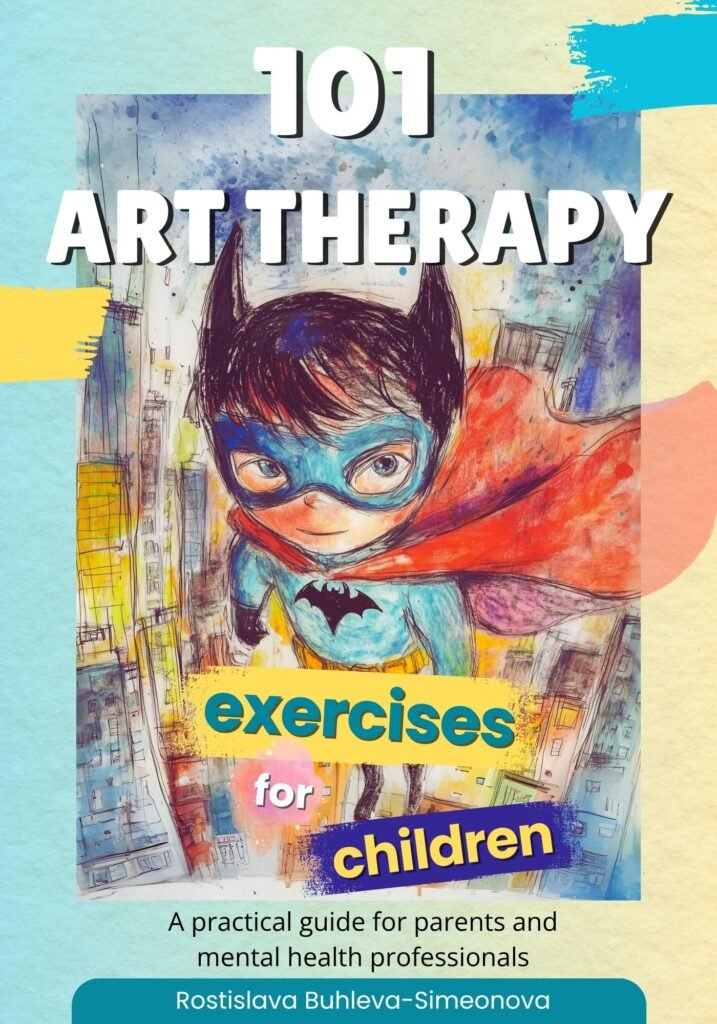
Why Art Therapy Activities for Kids Matter in Modern Child Development
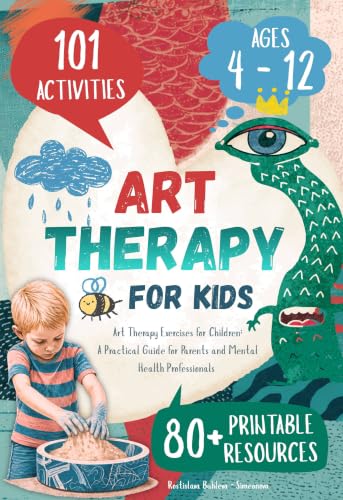
In a culture marked by reduced opportunities for creativity, increasing digital immersion, and growing emotional distance between children and caregivers, 101 Art Therapy Exercises for Children stands as both a timely and necessary resource offering art therapy activities for kids. Written by a certified art therapist and parenting expert, the book offers an evidence-based framework that responds directly to these challenges through structured, age-appropriate creative practices.
At its foundation lies a simple but profound understanding: children communicate most authentically through play, movement, and imagery rather than language alone. Creative expression therefore becomes a bridge between internal experience and outward communication. For children who cannot easily verbalize fear, grief, or anxiety, visual expression provides access to meaning and regulation. In this context, children’s drawings function not merely as creative products but as natural vehicles of psychological expression.
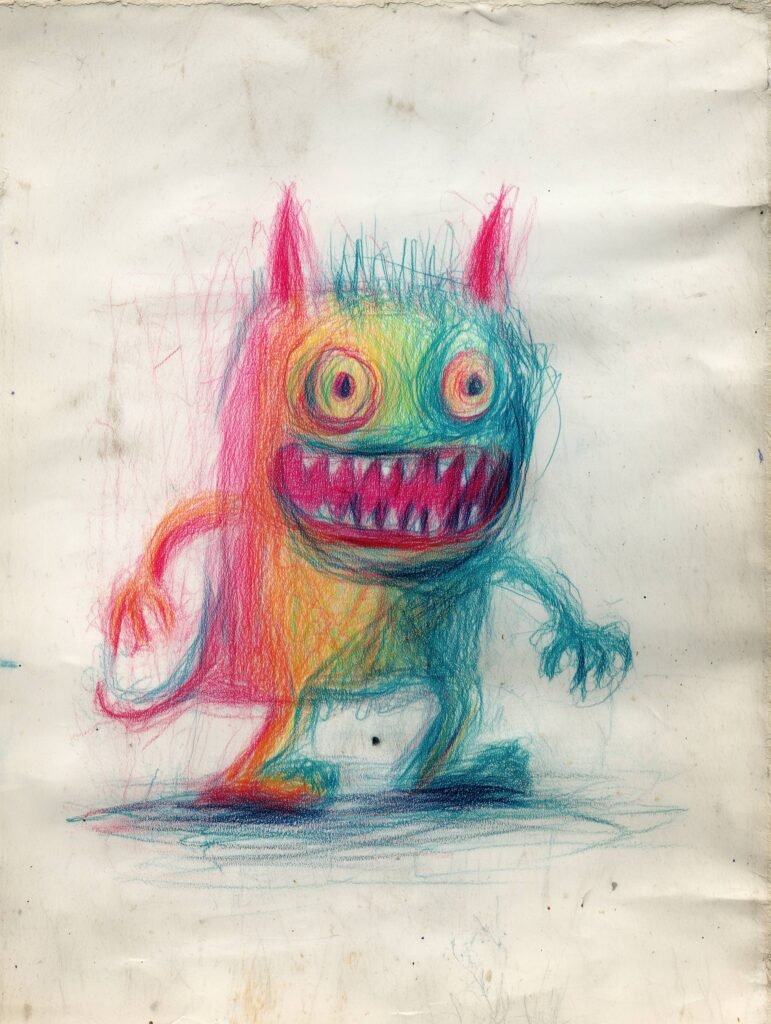
“The Not Me Monster”
Scientific Foundations and Therapeutic Application of Art Therapy Activities for Kids
A distinguishing feature of the book is its integration of neuroscience and developmental psychology with practical application. Research consistently demonstrates that creative engagement supports neural flexibility, emotional regulation, and stress reduction. Art-making activates emotional processing systems in the brain while promoting physiological calm, thereby strengthening resilience and adaptive functioning.
Rather than presenting theory in abstraction, the book translates research directly into structured sessions that caregivers and professionals can implement with clarity and confidence. Equally important, interpretation is approached with ethical care. Adults are encouraged to observe formal qualities within children’s drawings—such as repetition, intensity, or spatial use—while honouring the child’s own narrative authority. This balance preserves curiosity without imposing meaning and reinforces the importance of professional consultation when concerns arise.
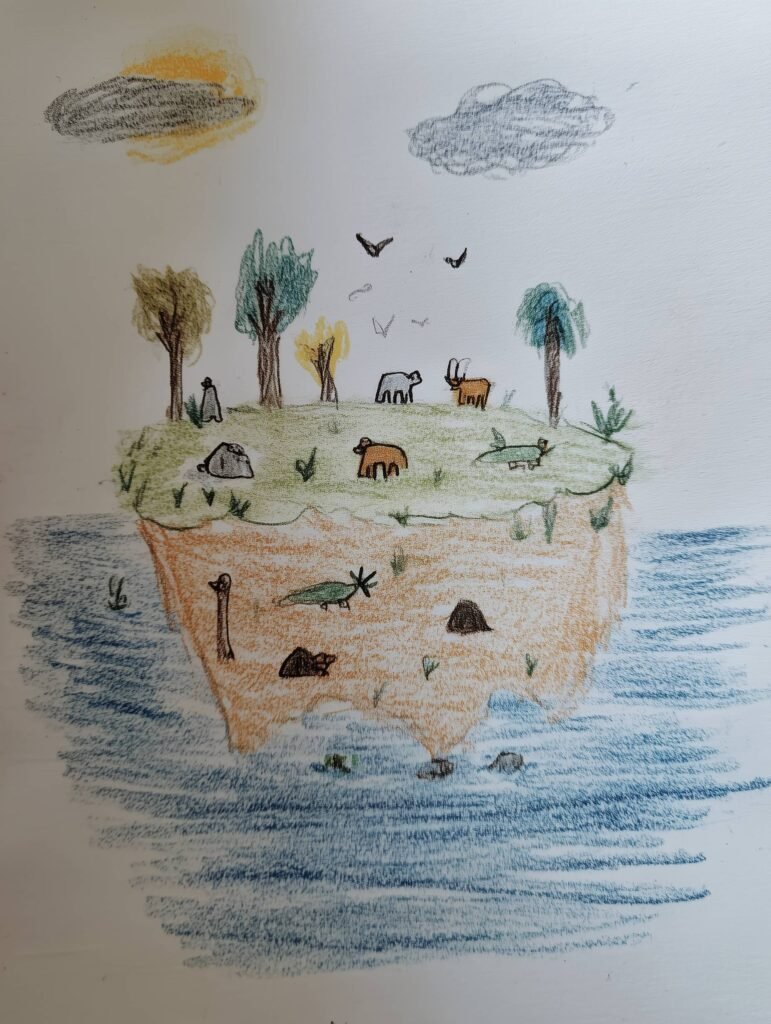
“My Own Island”
Cognitive Development and Relational Connection in Art Therapy Activities for Kids
Beyond emotional processing, the text emphasizes imagination and cognitive growth as essential developmental processes strongly boosted by art therapy activities for kids. Creative activity strengthens attention, memory, and problem-solving through multisensory engagement. At the same time, collaborative art-making nurtures relational attunement. When caregivers participate alongside children, creative work becomes a shared experience that deepens trust and emotional understanding. Within such moments, children’s drawings can serve as points of connection that support dialogue without pressure or evaluation.
The book includes exemplary sessions that embody its philosophy. A warm-up exercise such as “Drawing with Eyes Closed” gently dismantles perfectionism, promotes creative freedom, and reduces anxiety through playful, sensory engagement. This prepares children for deeper work, such as “Collaborative Shape Dance” a powerful, strength-based session that fosters self-esteem, confidence, and self-awareness. Through imaginative role creation, children connect with their internal resources, explore resilience, and symbolically rehearse coping with challenges—all within a joyful, empowering framework.

“Drawing with Eyes Closed”
Warm-up Exercise: Drawing with Eyes Closed
Purpose:
The “Drawing with Eyes Closed” activity gently guides children away from perfectionism and toward spontaneous expression. By emphasizing process over outcome, it reflects the art therapy philosophy of Edith Kramer, who viewed creative engagement as inherently therapeutic. Psychologically, the exercise supports immersion similar to the “flow” state described by Mihaly Csikszentmihalyi, in which focused activity reduces anxiety and increases enjoyment. Without visual control, children rely on sensation and intuition, supporting initiative-building processes outlined by Erik Erikson. Research on non-directive, sensory-based art activities further indicates measurable gains in creative confidence. Consequently, this experience helps children relax, take risks, and engage more openly with art therapy activities for kids as a form of emotional expression.
Materials Needed:
- White paper (8.5×17 inches)
- Crayons, markers, or colored pencils
- Optional: Blindfold or scarf (if preferred)
Session Description:
Introduction (1–2 minutes):
Establish a relaxed, playful atmosphere. Explain that the activity invites exploration rather than accuracy. Encourage the child to move their hand freely across the page, creating lines and shapes without planning. Emphasize curiosity by inviting them to “let the hand move however it wants.” This framing helps children approach art therapy activities for kids as exploration rather than performance.
Drawing (3–4 minutes):
Provide paper and drawing tools. Invite the child to close their eyes or wear a blindfold. Encourage continuous, fluid movement across the page without looking. Offer gentle prompts such as, “What kind of line wants to appear next?” or “Let’s try a large sweeping motion.” If hesitation appears, suggest simple, bold movements to initiate engagement.
Reflection (2–3 minutes):
Ask the child to open their eyes and observe the drawing. Invite open-ended reflection: “What do you notice?” or “Does anything stand out to you?” Affirm all responses and celebrate the uniqueness of the image. If uncertainty arises, gently highlight shapes or patterns that may inspire interpretation.
Closure (1 minute):
Acknowledge the child’s willingness to try something unfamiliar. Offer the choice to keep the drawing or continue to another activity.
How it helps:
• Overcoming Perfectionism: Encourages freedom from rigid expectations and supports exploratory creativity.
• Building Confidence: Reinforces risk-taking and self-trust within creative expression.
• Stimulating Imagination: Supports symbolic thinking through abstract mark-making.
• Preparing for Future Art Tasks: Establishes comfort and readiness for deeper therapeutic work.
• Reducing Anxiety: Provides a calm, playful entry point into expressive activity.
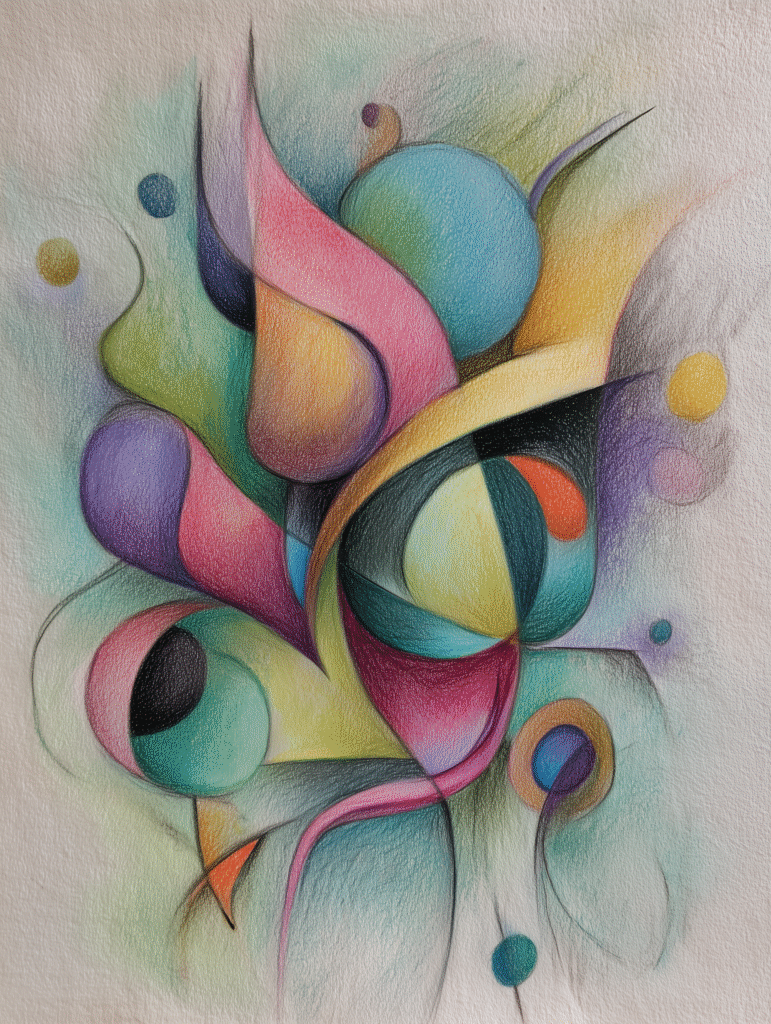
“Collaborative Shape Dance”
Art Therapy Session: Collaborative Shape Dance
Purpose
The “Collaborative Shape Dance” session encourages children to work together with a caregiver, peer or small group to create a shared artwork, fostering social confidence, teamwork, and creative expression. This activity draws on the work of art therapist Helen Landgarten, who used collaborative art to strengthen relational trust and communication (Landgarten, 1987). Psychologically, it aligns with Vygotsky’s social learning theory, which emphasizes collaborative creativity as a driver of cognitive and emotional growth (Vygotsky, 1978). By co-creating a dynamic artwork of shapes that evolves into a scene or story, children develop social skills and a sense of belonging, supporting Erikson’s stage of industry vs. inferiority, where competence is built through successful group interactions (Erikson, 1963).This session empowers children to celebrate their contributions, navigate group dynamics, and build resilience through a joyful, collaborative art-making process.
Materials Needed
- Large white paper (11×17 inches or poster-sized for group work)
- Crayons, markers, colored pencils, and watercolors
- Brushes and sponges
Session Description
Introduction (5–7 minutes): Explain that the children will work together (with a caregiver or peer, or small group of 2–4) to create a “Shape Dance,” where everyone adds shapes to a shared picture that grows into something special. Emphasize that everyone’s ideas matter, and there’s no “wrong” way to add shapes. Choose a theme together the first time you are exploring this excercise (e.g., “What kind of world should we make?”).
Creating the Shape Dance (18–30 minutes): Lay out the large paper and a variety of art supplies. Start by drawing one shape and invite each child to add their own shape in turn, going around the group multiple times. Encourage them to connect or overlap shapes. Prompt with questions like, “What could this shape become?” or “What’s happening in our picture?” As the drawing grows, guide them to turn the shapes into a scene or story. Keep the pace lively but structured, ensuring everyone gets equal turns. Observe group dynamics (e.g., who leads, who hesitates) and note for reflection. Stay engaged, praising teamwork. If conflicts arise (e.g., over space), gently mediate (e.g., “Let’s find a spot for everyone’s shape”).
Reflection (7–10 minutes): Sit with the finished artwork and explore it together as a group. Ask specific questions: “What’s the name of our world?” “What story is happening here?” “What was your favorite shape you added?” “How did it feel to work as a team?” Listen attentively, reflecting their excitement or pride. Validate any challenges, like feeling shy or disagreeing, and highlight teamwork strengths (e.g., “You figured out how to share the space—that’s awesome!”). Discuss how their Shape Dance shows everyone’s unique ideas coming together, reinforcing their sense of contribution and connection.
Closure (5–7 minutes): Celebrate the group’s creation with enthusiasm. Ask if they’d like to add final touches or name their artwork. Offer to display it in a shared space (e.g., classroom or home) or keep it in a special folder.
Pivotal Moments
- Building Social Confidence: Encourages children to share ideas and contribute to a group project, boosting self-esteem.
- Fostering Teamwork: Develops collaboration and conflict resolution skills through shared art-making.
- Navigating Group Dynamics: Supports children in managing shyness or assertiveness in peer interactions.
- Enhancing Emotional Regulation: Promotes calm and focus through structured group creativity.
- Celebrating Contribution: Reinforces pride in individual and collective achievements.
- Strengthening Relationships: Builds trust and connection with peers or caregivers, aligning with social development at ages 7–9.
- Encouraging Creative Problem-Solving: Empowers children to co-create a meaningful artwork from simple shapes.
Conclusion
101 Art Therapy Exercises for Children blends science, creativity, and relational insight to offer a compassionate, practical approach for supporting children’s emotional, cognitive, and social development. Equally important is the book’s focus on connection. By inviting parents and caregivers to participate alongside children, shared art-making promotes trust, emotional attunement, and open communication. In these moments, children gain a safe space to express feelings, while adults can observe and respond without judgment. This relational approach also helps prevent subtle struggles from going unnoticed and strengthens the bonds between children and caregivers.
Ultimately, this book functions as both a preventative resource and a supportive companion. It empowers adults to nurture emotionally healthy, confident, and creatively engaged children, while demonstrating that growth, understanding, and healing often begin not with words, but with a simple mark on paper.

Rostislava Buhleva-Simeonova is a psychologist, art therapist, and gamificator. She has worked with children, adults, and the elderly within various therapeutic programmes over the past eight years, all the while providing the much-needed playful twist that art and gamified experiences can bring to this sometimes uneasy setting. But it wasn’t until the birth of her daughter, Aurora, that this work took on an even deeper personal meaning. With her academic and real-life experience, honed through numerous trainings and sessions, she is currently authoring books and articles in the field of child psychology and development, offering expertise in art and play therapy to guide parents and caregivers, as well as professionals in the fields of social work and mental health, throughout various pivotal moments in children’s lives. Last but not least, all of her books have been “peer-reviewed” by her daughter, who testifies to the efficiency of these methods.