
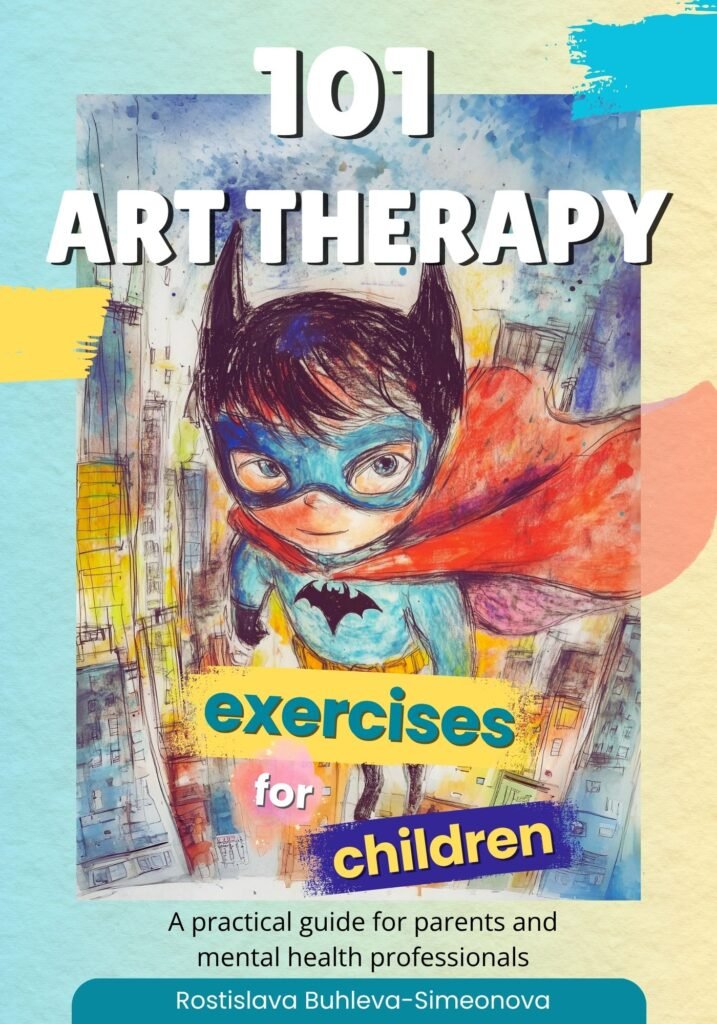
In an era shaped by digital overload, children are spending less time engaging in meaningful creative play. As a result, emotional expression and connection can suffer. Art therapy for emotional regulation offers a powerful way to bridge this gap. This approach helps children process feelings while reconnecting with their inner world. Moreover, 101 Art Therapy Exercises for Children provides a structured yet joyful path for caregivers seeking practical support.
At its core, children communicate differently than adults. Instead of relying on words, they express themselves through images, symbols, and movement. Therefore, creative activities become essential tools rather than simple pastimes. Through drawing, sculpting, and play, children can safely explore emotions like fear or anxiety. In turn, this makes art therapy for emotional regulation a natural and developmentally appropriate method of support.
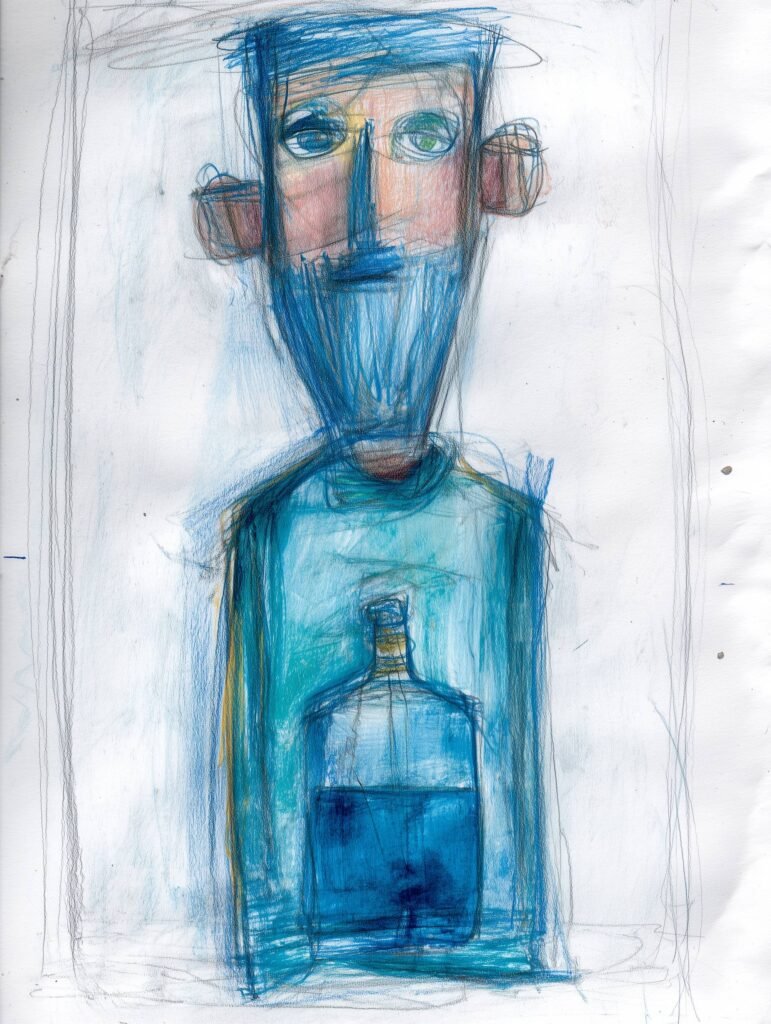
“A Genie from a Bottle”
The Science Behind Art Therapy for Emotional Regulation
What sets this approach apart is its strong grounding in neuroscience and psychology. Research shows that creative expression activates the brain’s right hemisphere and engages the limbic system. Consequently, this helps regulate emotions and reduce stress. In addition, art-making stimulates the parasympathetic nervous system, promoting calm and balance.
Furthermore, the book translates theory into practical application. Instead of overwhelming readers with abstract concepts, it offers structured, easy-to-follow exercises. This ensures that art therapy for emotional regulation is both accessible and effective. As children engage regularly, they build resilience and improve their ability to manage everyday emotional challenges.
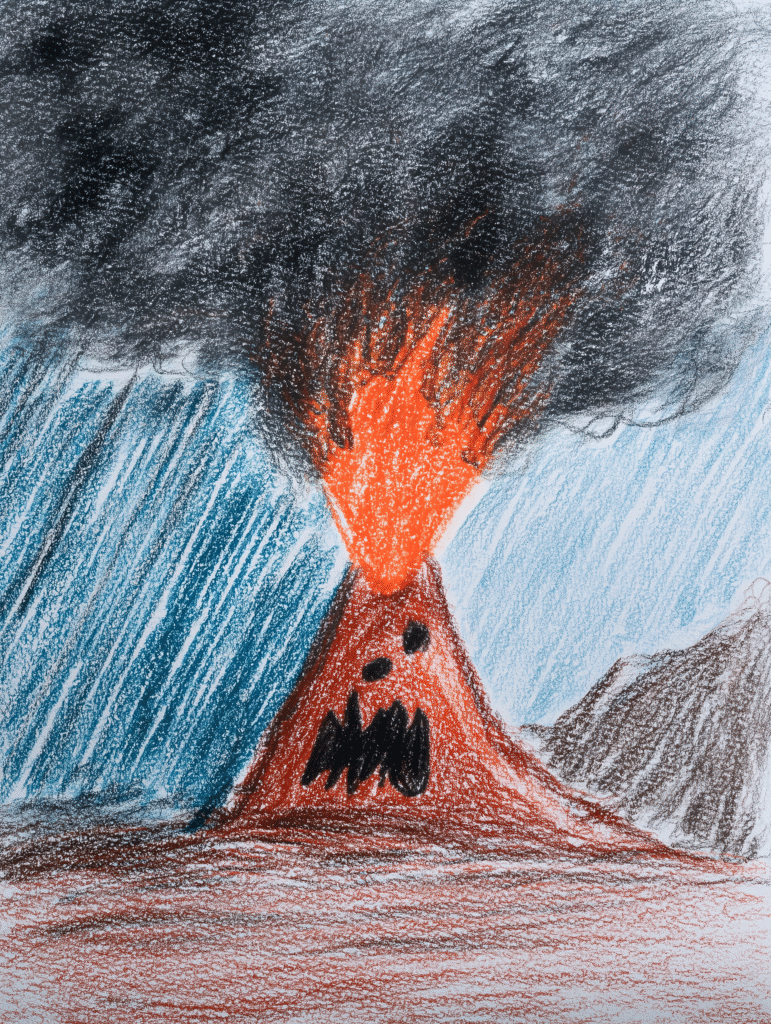
“Anger Volcano”
Proactive Growth Through Art Therapy for Emotional Regulation
Rather than waiting for difficulties to escalate, this method encourages early emotional support. Caregivers can observe patterns and feelings through a child’s artwork over time. As a result, insights emerge naturally, without pressure or formal diagnosis. This proactive approach makes art therapy for emotional regulation a valuable preventative tool.
In addition, creative activities enhance cognitive development. When children experiment with materials, they strengthen memory and problem-solving skills. Moreover, imagination becomes a key driver of growth rather than a passive activity. Through consistent practice, children begin shaping their identity in a safe and expressive space.
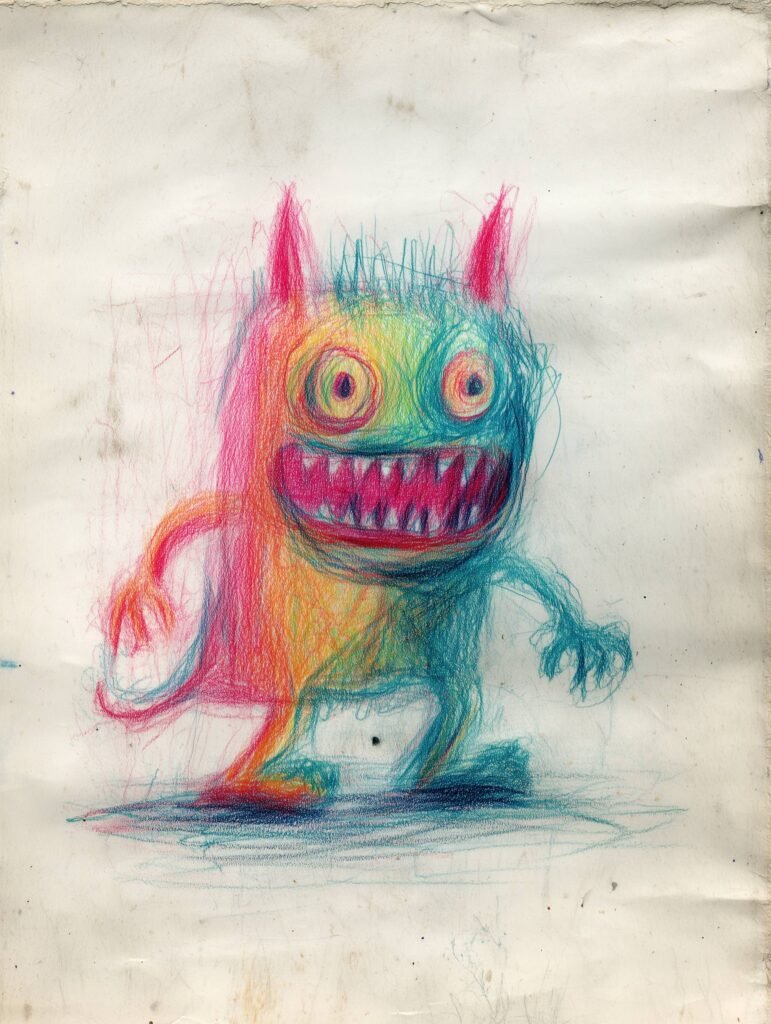
“The Not Me Monster”
Building Connection Through Art Therapy for Emotional Regulation
Another essential benefit lies in strengthening relationships. When caregivers and children create art together, trust and communication naturally improve. In fact, shared creative experiences foster emotional attunement and reduce conflict. Therefore, art therapy for emotional regulation becomes not only an individual tool but also a relational one.
Equally important is the ethical approach to interpreting children’s artwork. Rather than analyzing or labeling, caregivers are encouraged to stay curious. Open-ended questions help children express their own meanings. This ensures that the child remains the expert of their experience, which is fundamental for healthy emotional development.
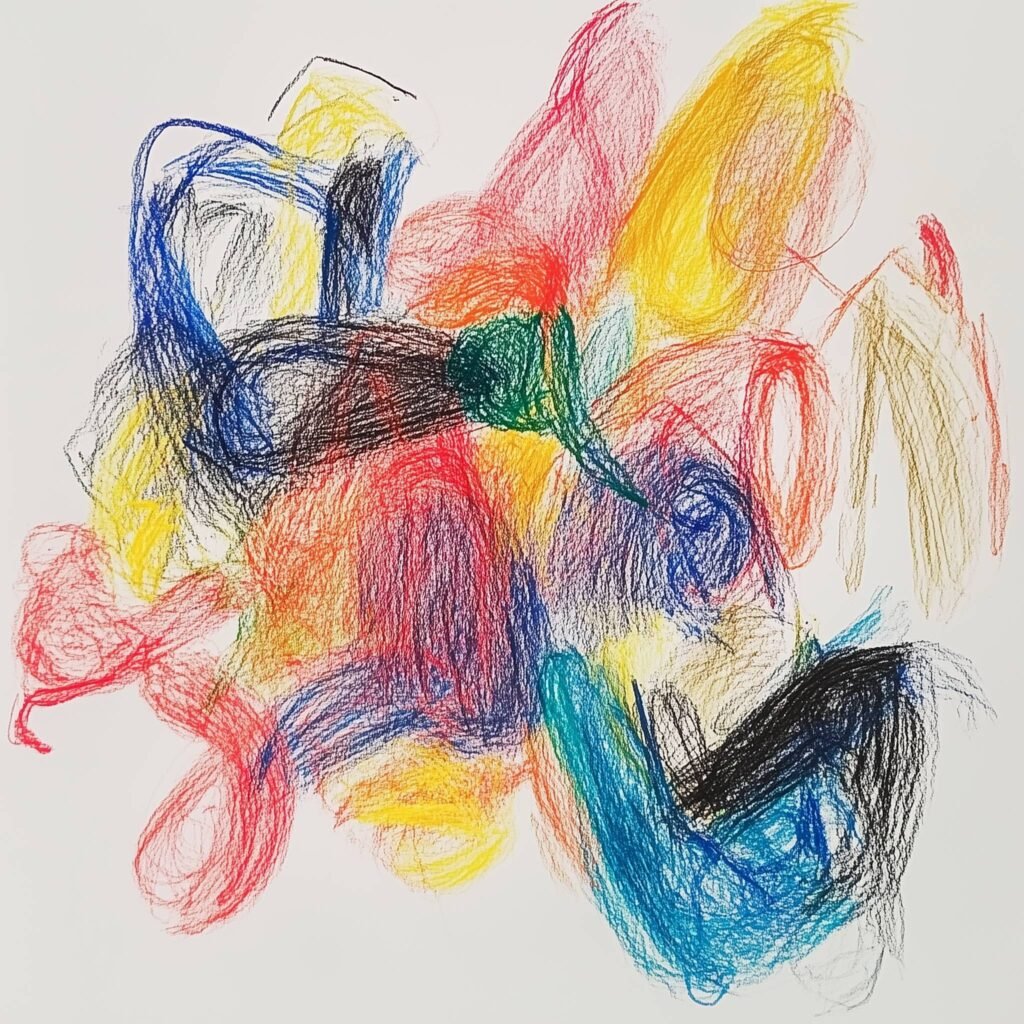
“Drawing with Non-dominant Hand”
Drawing with Non-Dominant Hand
Purpose
The “Drawing with Non-Dominant Hand” exercise invites children to embrace unpredictability and unlock playful creativity, fostering confidence and reducing self-criticism. This activity draws on the work of art therapist Cathy Malchiodi, who emphasized the role of exploratory art in promoting emotional freedom and self-expression (Malchiodi, 2012). Psychologically, it aligns with the concept of “creative self-efficacy,” where engaging in unconventional tasks enhances belief in one’s creative abilities (Tierney & Farmer, 2002). By using their non-dominant hand, children explore new ways of creating, supporting Erikson’s stage of initiative vs. guilt, where bold experimentation drives purpose (Erikson, 1963). A 2019 study found that playful, non-traditional art activities increased children’s creative confidence by 21%, as measured by self-reported comfort with artistic risk-taking (Nguyen et al., 2019). This warm-up encourages children to let go of control, celebrate unexpected outcomes, and dive into art therapy with a joyful, open mindset.
Materials Needed
- White paper (8.5×11 inches)
- Crayons, markers, or colored pencils
Session Description
Introduction (1–2 minutes): Set an encouraging tone. Explain that they’ll draw with their “other hand” (the one they don’t usually use) to see what fun things happen.
Drawing (3–4 minutes): Provide paper and art supplies. Help them hold the crayon in their non-dominant hand. Encourage them to start drawing, letting the lines be loose or shaky. If they struggle, suggest simple shapes.
Reflection (2–3 minutes): Look at the drawing together. Ask, “What do you like about your picture?” or “How did it feel to use your other hand?” Point out unique parts to build pride.
Closure (1 minute): Celebrate their courage. Ask if they want to save the drawing or move on.
How it helps
- Fostering Resilience: Encourages persistence through a challenging but playful task.
- Embracing Imperfection: Helps children accept “messy” results as part of creativity.
- Building Self-Efficacy: Boosts confidence by mastering a novel skill.
- Encouraging Flexibility: Prepares children for creative tasks by adapting to new ways of working.
- Supporting Effort: Reinforces the value of trying, even when outcomes are unpredictable.
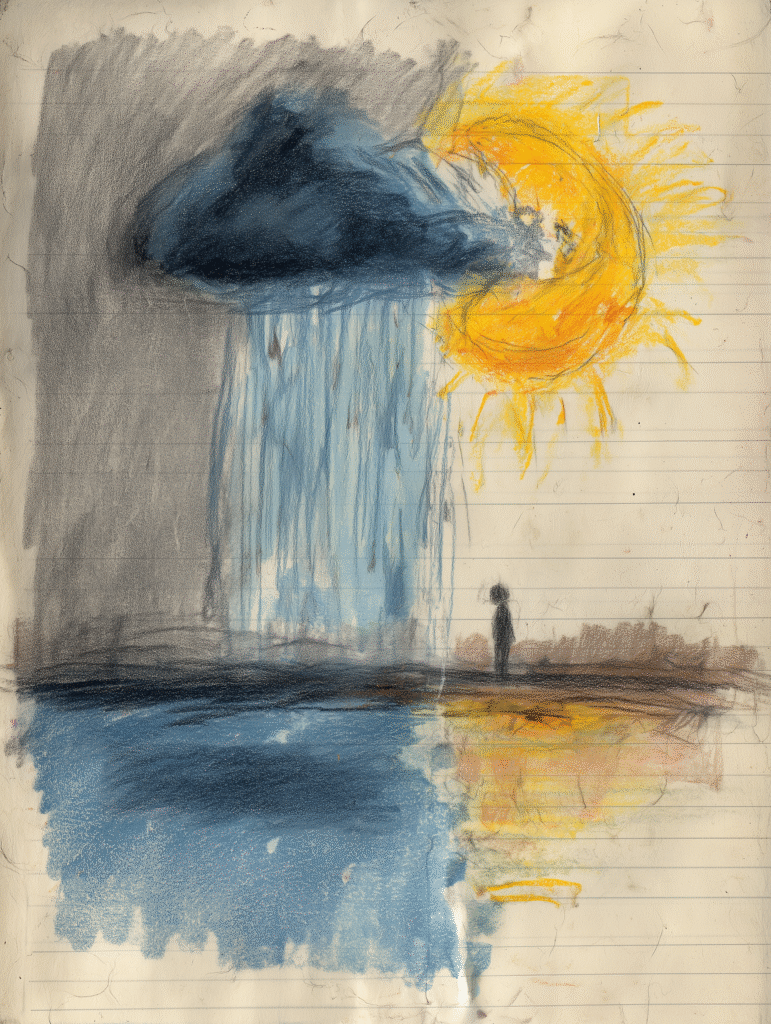
“Feelings Weather Map”
Purpose
The “Feelings Weather Map” session helps children express and understand their emotions by creating a weather-themed artwork, enhancing emotional literacy and self-awareness. This method builds on the expressive art therapy techniques developed by Cathy Malchiodi in the 1990s, who used metaphors like weather to help children articulate complex emotions (Malchiodi, 2012). Psychologically, it aligns with Saarni’s model of emotional competence, which emphasizes the ability to label and express emotions as critical for social development (Saarni, 1999). By associating feelings with weather (e.g., sunny for happy, stormy for angry), children can externalize their emotional states in a familiar, non-threatening way. Research supports this approach: a 2016 study found that metaphor-based art activities improved emotional identification in children ages 4–6 by 33%, as measured by teacher reports (Adams & White, 2016). This session fosters parent-child communication and helps children process mixed emotions.
Materials Needed
- White paper (8.5×11 inches)
- Crayons, markers, coloured pencils and watercolours
- Optional: Cotton balls, tissue paper and glue, or stickers for texture
Session Description
Introduction (5–7 minutes): Start by talking about weather, asking, “What’s your favorite kind of weather, like sunny or rainy?” Then connect it to feelings, saying, “Sometimes our feelings are like weather—happy like a sunny day or mad like a storm.” Share an example (e.g., “Today I feel like a calm, cloudy day”). Explain that they’ll make a weather map to show their feelings, using colours and shapes. Show the paper and art supplies, emphasizing they can choose any weather to represent how they feel.
Creating the Map (15-30 minutes): Provide the paper and art supplies, ensuring a range of colours. Invite the child to draw a weather scene for their feelings. Ask, “What weather shows how you feel today?” If they want, glue on cotton balls for clouds or tissue paper for rain to add texture. Offer gentle prompts (e.g., “What else can you add to this part?”) and praise their choices (e.g., “That rainbow is so beautiful!”). If they’re unsure, (e.g., “What is the sky like on your weather map?”)
Reflection (5–7 minutes): Look at the finished map together and ask, “Can you tell me about your weather map?” “How does it make you feel when you look at it?” or “What’s this part about?” Reflect their responses. If they share complex emotions, validate them (e.g., “It’s okay to have sunny and rainy feelings at the same time, in fact, it happens all the time”). Discuss how the map can help them show their feelings to others, like pointing to the “cloudy” part when they’re quiet. If they’re shy, share a weather-feeling of your own to model openness.
Closure (3–5 minutes): Celebrate their artwork, saying, “Your weather map is so interesting!” Ask if there is anything they would like to change. Suggest they use it to share how they feel later, like a feelings guide. Offer to hang the map in their room or keep it in a folder.
Pivotal Moments
- Developing Emotional Awareness: Supports recognizing and naming emotions, a key milestone at ages 4–6.
- Coping with Mixed Emotions: Helps children process complex feelings, like being happy and sad simultaneously.
- Navigating Social Conflicts: Encourages expressing emotions during disagreements or challenges.
- Adjusting to Family Changes: Provides a way to articulate feelings about events like a new sibling or moving.
- Managing Frustration: Offers a constructive outlet for emotions like anger or disappointment.
- Building Communication Skills: Strengthens the ability to share feelings with caregivers or peers.
Conclusion
Ultimately, art therapy for children goes far beyond creating a polished drawing or a carefully shaped sculpture. It offers a safe and supportive space where children can express thoughts and feelings that may be difficult to put into words, especially in an increasingly complex world. By gently weaving these 101 exercises into everyday routines, caregivers can equip children with the tools to understand and navigate their emotions with greater confidence and clarity.
Because the focus remains on the creative process rather than the final result, children are freed from the pressure to “get it right” and instead encouraged to explore, experiment, and discover. Whether in a therapeutic setting or around the kitchen table, art therapy becomes a meaningful bridge—fostering deeper self-awareness, strengthening resilience, and supporting long-term emotional well-being.
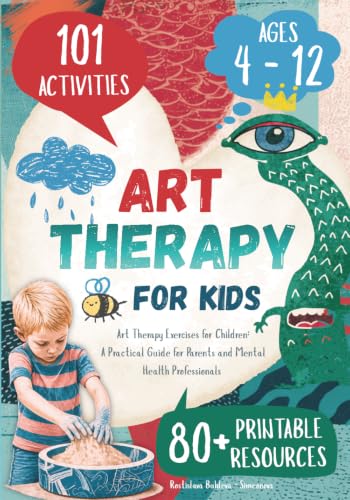

Rostislava Buhleva-Simeonova is a psychologist, art therapist, and gamificator. She has worked with children, adults, and the elderly within various therapeutic programmes over the past eight years, all the while providing the much-needed playful twist that art and gamified experiences can bring to this sometimes uneasy setting. But it wasn’t until the birth of her daughter, Aurora, that this work took on an even deeper personal meaning. With her academic and real-life experience, honed through numerous trainings and sessions, she is currently authoring books and articles in the field of child psychology and development, offering expertise in art and play therapy to guide parents and caregivers, as well as professionals in the fields of social work and mental health, throughout various pivotal moments in children’s lives. Last but not least, all of her books have been “peer-reviewed” by her daughter, who testifies to the efficiency of these methods.