
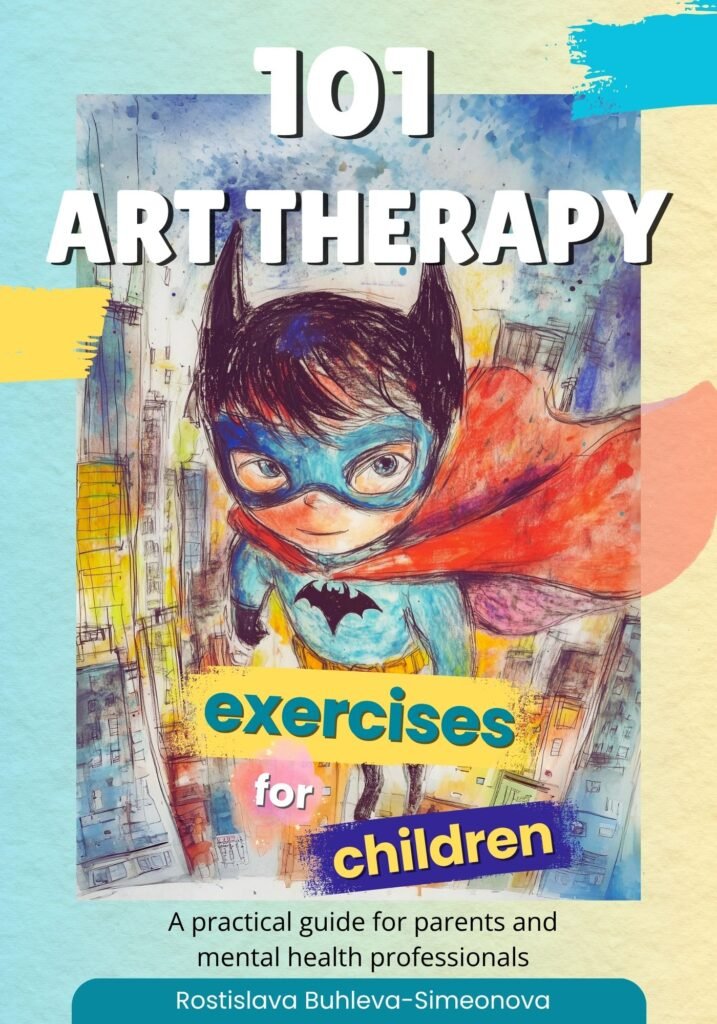
In an era defined by digital saturation and a decline in traditional creative play, finding ways to reconnect with our youth is vital. Modern childhood is increasingly shaped by “epidemics” of screen dominance and emotional disconnect. Consequently, 101 Art Therapy Exercises for Children arrives as a necessary intervention. This resource, written by a certified expert, provides an evidence-based response to these challenges through joyful and effective practices. By prioritizing art therapy for kids, caregivers can help bridge the gap between a child’s inner world and their external reality.
At its core, this approach recognizes that children do not primarily communicate through complex vocabulary. Instead, they use play, symbols, and movement to express themselves. Because art aligns so naturally with developmental processes, it serves as a “native language” for those who struggle to verbalize fear, grief, or anxiety. Therefore, drawing and sculpting become more than just hobbies; they are essential tools for emotional survival.
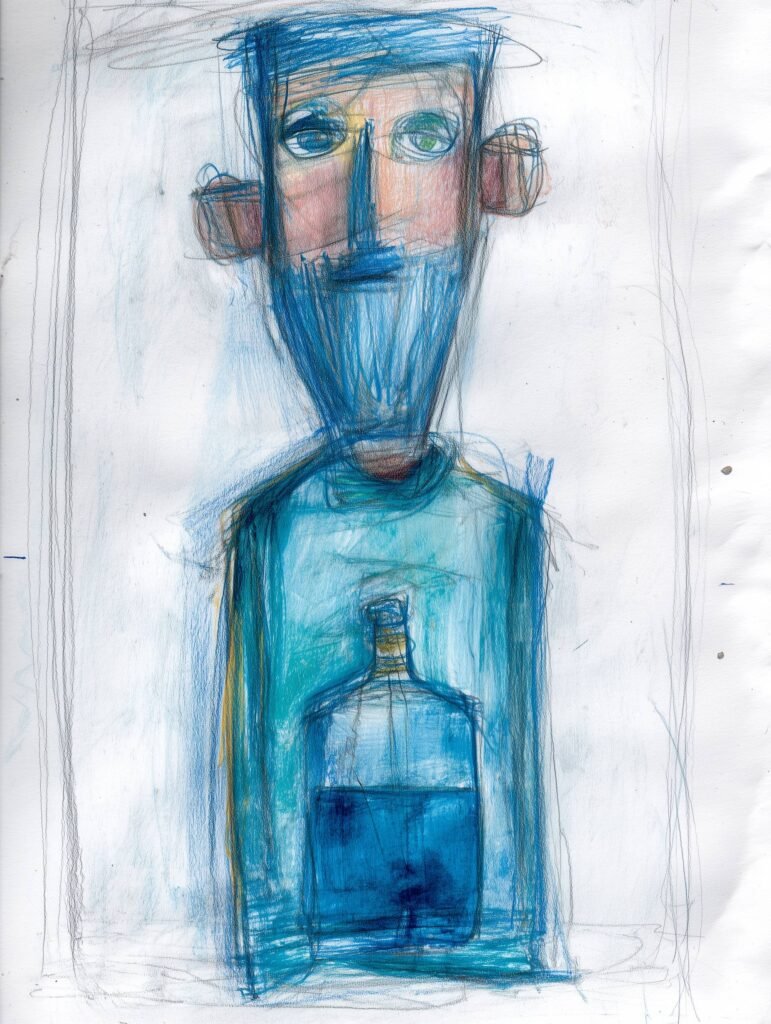
“A Genie from a Bottle”
The Science Behind Art Therapy for Kids
What truly distinguishes this collection is its firm grounding in neuroscience and psychological research. Specifically, each activity is informed by studies showing how creative engagement alters brain physiology. Research indicates that making art activates the right hemisphere and engages the limbic system. As a result, these exercises support the parasympathetic nervous system, which helps in reducing stress while fostering resilience.
Beyond simple relaxation, the integration of scientific foundations ensures that therapeutic goals are met through proven methods. Furthermore, the book avoids abstract theory in favor of practical, clearly structured sessions. This ensures that art therapy for kids remains a functional, results-oriented practice for parents and educators alike. By strengthening neural flexibility, children become better equipped to handle the emotional hurdles of everyday life.
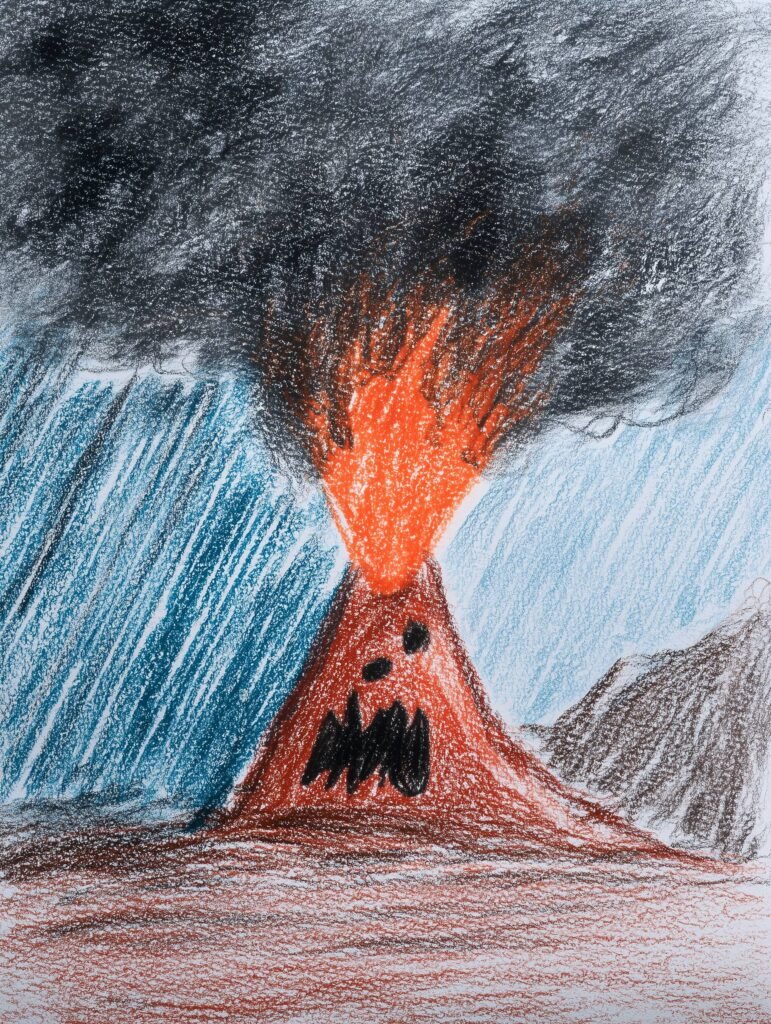
“Anger Volcano”
Proactive Tools and Cognitive Growth
This book serves a dual function as both a therapeutic toolkit and a preventative resource. Often, adults only respond once behavioral difficulties escalate. However, by using these non-intrusive methods, caregivers can observe a child’s emotional landscape over time. This proactive stance allows for subtle insights into a child’s world without the pressure of a formal diagnosis. In addition to emotional support, the exercises emphasize the importance of imagination and critical thinking.
Moreover, art-making strengthens memory and problem-solving through multisensory engagement. When children experiment and revise their work, they are actually practicing analytical skills that translate to real-world adaptability. Imagination is not just a luxury; it is a developmental necessity. Through art therapy for kids, abstract ideas are explored and personal identity begins to take shape in a safe environment.
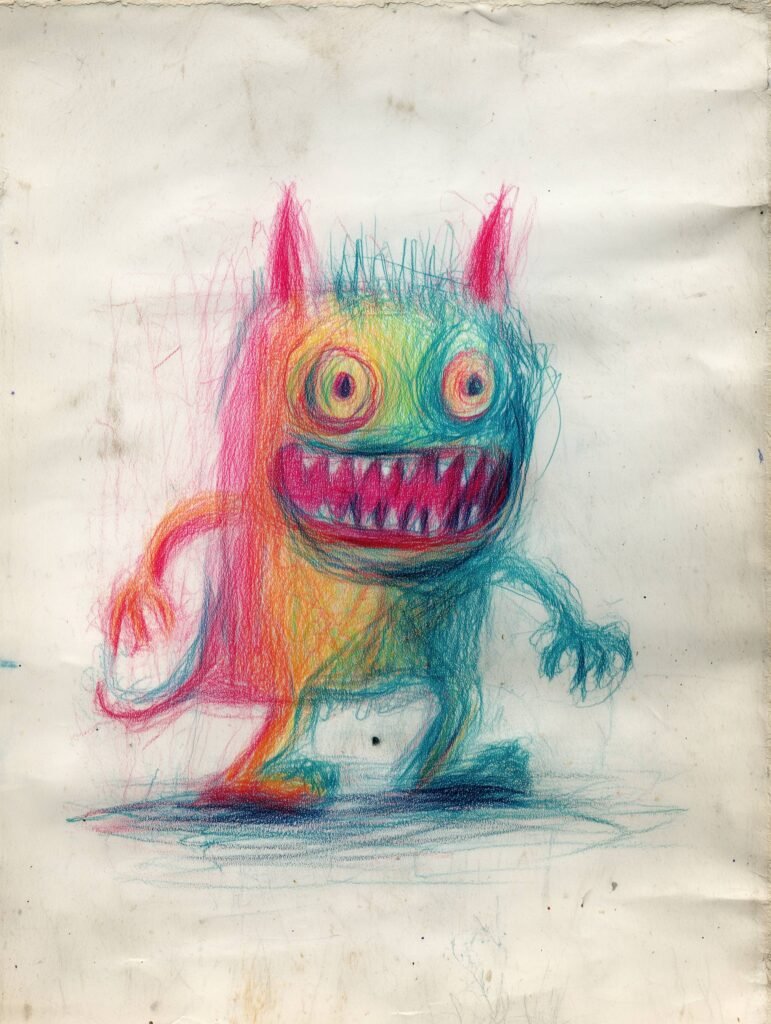
“The Not Me Monster”
Building Bonds and Ethical Interpretation
The third foundational pillar of this work is the focus on relational connection. Collaborative art-making creates a safe space where trust and emotional attunement can flourish between a child and caregiver. In fact, research shows that joint creative activities significantly improve attachment security and reduce household conflict. This transformation turns a simple list of activities into a comprehensive child-rearing guide. By engaging in art therapy for kids together, the relationship itself becomes a source of healing.
Finally, the book approaches artwork interpretation with significant care and ethical clarity. While art offers emotional clues, caregivers are reminded not to diagnose or over-analyze. Instead, the text promotes curiosity and open-ended dialogue, leaving the child as the ultimate authority on their work. While art therapy for kids is powerful, it is most effective when adults prioritize the child’s narrative over their own assumptions. This flexible, age-appropriate structure ensures that the exercises evolve alongside the child’s maturing mind.
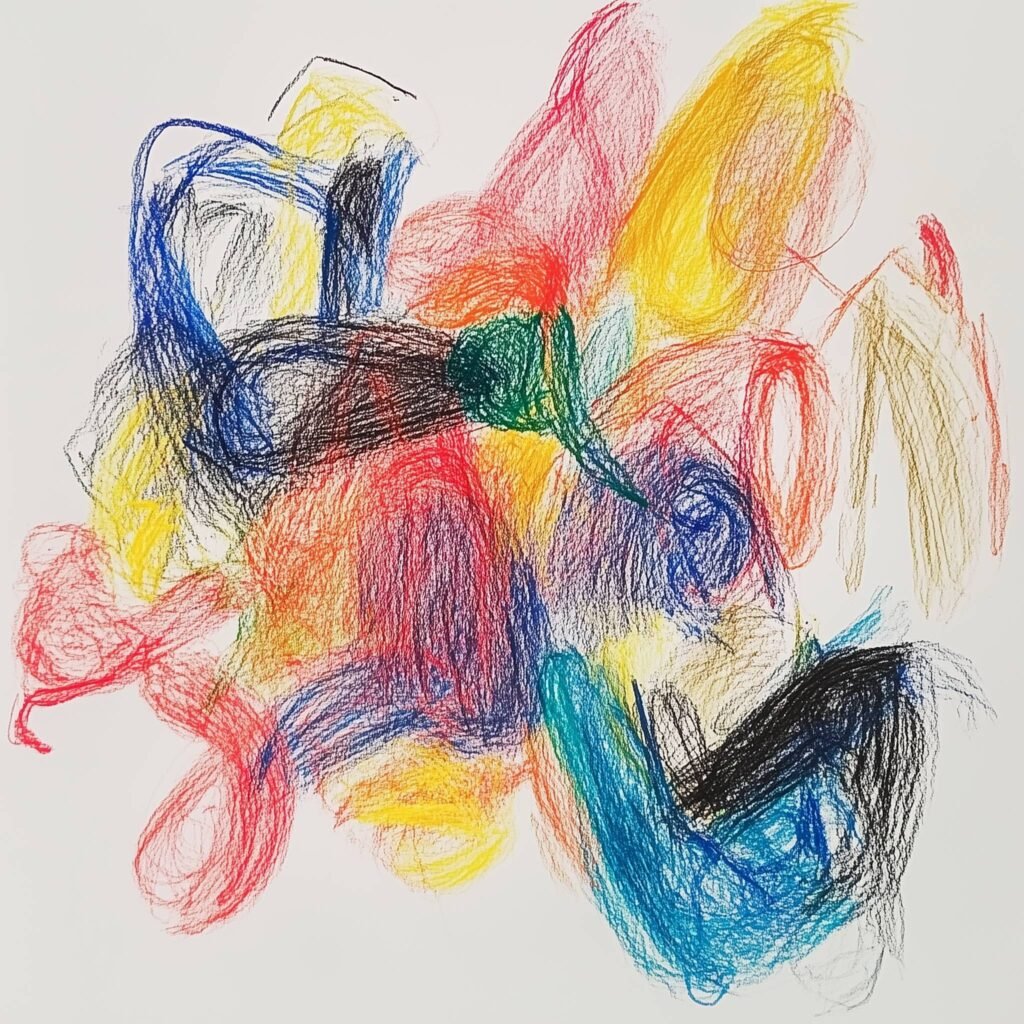
“Drawing with Non-dominant Hand”
Drawing with Non-Dominant Hand
Purpose
The “Drawing with Non-Dominant Hand” exercise invites children to embrace unpredictability and unlock playful creativity, fostering confidence and reducing self-criticism. This activity draws on the work of art therapist Cathy Malchiodi, who emphasized the role of exploratory art in promoting emotional freedom and self-expression (Malchiodi, 2012). Psychologically, it aligns with the concept of “creative self-efficacy,” where engaging in unconventional tasks enhances belief in one’s creative abilities (Tierney & Farmer, 2002). By using their non-dominant hand, children explore new ways of creating, supporting Erikson’s stage of initiative vs. guilt, where bold experimentation drives purpose (Erikson, 1963). A 2019 study found that playful, non-traditional art activities increased children’s creative confidence by 21%, as measured by self-reported comfort with artistic risk-taking (Nguyen et al., 2019). This warm-up encourages children to let go of control, celebrate unexpected outcomes, and dive into art therapy with a joyful, open mindset.
Materials Needed
- White paper (8.5×11 inches)
- Crayons, markers, or colored pencils
Session Description
Introduction (1–2 minutes): Set an encouraging tone. Explain that they’ll draw with their “other hand” (the one they don’t usually use) to see what fun things happen.
Drawing (3–4 minutes): Provide paper and art supplies. Help them hold the crayon in their non-dominant hand. Encourage them to start drawing, letting the lines be loose or shaky. If they struggle, suggest simple shapes.
Reflection (2–3 minutes): Look at the drawing together. Ask, “What do you like about your picture?” or “How did it feel to use your other hand?” Point out unique parts to build pride.
Closure (1 minute): Celebrate their courage. Ask if they want to save the drawing or move on.
How it helps
- Fostering Resilience: Encourages persistence through a challenging but playful task.
- Embracing Imperfection: Helps children accept “messy” results as part of creativity.
- Building Self-Efficacy: Boosts confidence by mastering a novel skill.
- Encouraging Flexibility: Prepares children for creative tasks by adapting to new ways of working.
- Supporting Effort: Reinforces the value of trying, even when outcomes are unpredictable.
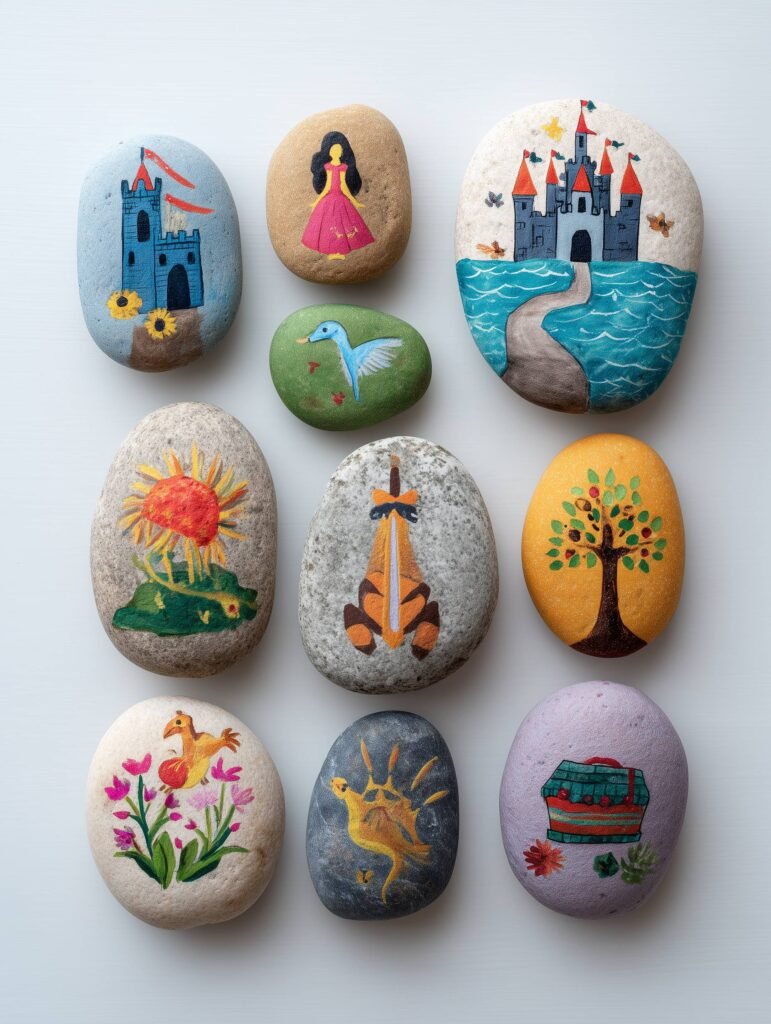
“Story Stones”
Story Stones
Purpose
The “Story Stones” session invites children to create and use hand-drawn story stones to foster storytelling and emotional expression, enhancing imagination and language development through creative art. Drawing on Malchiodi’s approach to art as a vehicle for narrative expression (Malchiodi, 2012), this activity aligns with Erikson’s initiative vs. guilt stage, where young children build purpose through imaginative play (Erikson, 1963). By drawing simple images on stones and using them to tell stories, children externalize emotions, spark creativity, and practice verbal skills. Research shows that storytelling through tactile art increases vocabulary by 20% and emotional expression by 22% in preschoolers (Rowe & Neitzel, 2010). This session empowers children to weave narratives, process feelings, and develop communication in a playful, tangible way.
Materials Needed
- Smooth, flat stones (3–5, about 2–3 inches in size, washed and dried)
- Acrylic paints or permanent markers (non-toxic, child-safe)
- Paintbrushes (small for detail)
- Optional: Stickers or googly eyes for decoration
- Optional: Sealer spray (adult use only, to protect designs)
Session Description
Introduction (3–5 minutes) Create an engaging, storybook-like atmosphere. Ask if they’ve ever made up a story or imagined being in a magical place. Explain that they’ll draw pictures on stones to create “Story Stones” and use them to tell a tale, with images like animals, trees, or hearts to show feelings or adventures. Emphasize they can draw anything and tell any story they want, with no wrong way, encouraging creativity suited to their developmental stage (Deci & Ryan, 2000).
Creating the Story Stones (12–15 minutes) Provide stones, paints, or markers, and small brushes. Invite the child to draw simple images on each stone that could be part of a story, like a person, animal, or object (e.g., a cat, a house, a heart). Prompt gently: “What picture could start your story—maybe something happy or brave? What else might happen—what could this stone show?” Encourage adding details like colors or stickers for fun. Observe their choices and behavior to gauge engagement, noting for reflection without interpreting aloud (Malchiodi, 2012). Stay non-directive, praising creativity. If they hesitate, suggest drawing a favorite animal or shape to start. Assist with painting or drying as needed for safety.
Reflection (4–6 minutes) Sit with the finished stones and invite the child to tell a story using them, arranging the stones in any order. Ask open-ended prompts: “What story do your stones tell—what happens first? How does this picture make the character feel? Does this remind you of something you’ve felt or done?” Listen actively, reflecting their enthusiasm or emotion. If they share a feeling, validate gently. Suggest adding a stone to continue the story: “What happens next in your tale?” If they’re shy, affirm their effort. Encourage them to act out parts or add sound effects for fun (Rowe & Neitzel, 2010).
Closure (2–3 minutes) Celebrate their stones and story with enthusiasm: “You made such amazing Story Stones!” Ask if they’d like to add one more drawing. Offer choices: keep the stones in a special bag, display them, or share the story with a caregiver, respecting their decision. Ask what is one thing that they love about their story to reinforce imagination and self-esteem (Deci & Ryan, 2000).
Pivotal Moments
- Fostering Storytelling Encourages narrative creation through tactile images, enhancing imagination and creative expression (Rowe & Neitzel, 2010).
- Supporting Emotional Expression Provides a safe outlet for articulating feelings through story characters and events (Malchiodi, 2012).
- Enhancing Language Development Promotes vocabulary and communication skills by verbalizing stories, building linguistic confidence (Saarni, 1999).
- Building Self-Esteem Reinforces confidence as children create unique stones and narratives (Erikson, 1963).
- Encouraging Initiative Promotes agency through designing stones and crafting stories, fostering creative exploration (Erikson, 1963).
- Strengthening Caregiver Bonds Deepens connection through shared storytelling and reflection on emotions, enhancing trust (Proulx, 2003).
Conclusion
Ultimately, art therapy for kids is about more than just producing a beautiful drawing or a clay sculpture; it is about providing a safe harbor for self-expression in an increasingly complex world. By integrating these 101 exercises into daily routines, caregivers can offer children the tools they need to navigate their emotions with confidence and clarity.
Because these activities prioritize the process over the final product, they alleviate the pressure to perform and instead encourage genuine discovery. Whether used in a clinical setting or at the kitchen table, art therapy for kids serves as a vital bridge toward deeper understanding, stronger resilience, and lasting emotional health.
Some of the links on this blog are affiliate links, which means I may earn a commission if you make a purchase using the link. This comes at no additional cost to you. I only recommend products or services that I believe in and think will be valuable to my readers. I am also hoping you might consider purchasing my book 101 Art Therapy Exercises for Children: A Practical Guide for Parents and Mental Health Professionals. Thank you for supporting this blog!
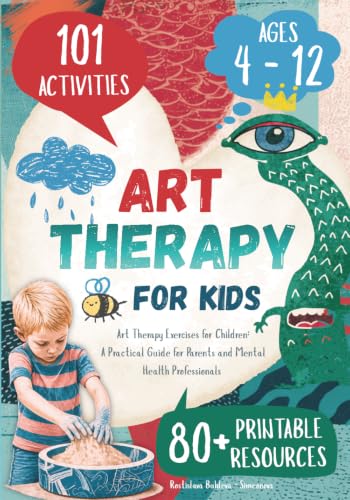

Rostislava Buhleva-Simeonova is a psychologist, art therapist, and gamificator. She has worked with children, adults, and the elderly within various therapeutic programmes over the past eight years, all the while providing the much-needed playful twist that art and gamified experiences can bring to this sometimes uneasy setting. But it wasn’t until the birth of her daughter, Aurora, that this work took on an even deeper personal meaning. With her academic and real-life experience, honed through numerous trainings and sessions, she is currently authoring books and articles in the field of child psychology and development, offering expertise in art and play therapy to guide parents and caregivers, as well as professionals in the fields of social work and mental health, throughout various pivotal moments in children’s lives. Last but not least, all of her books have been “peer-reviewed” by her daughter, who testifies to the efficiency of these methods.