
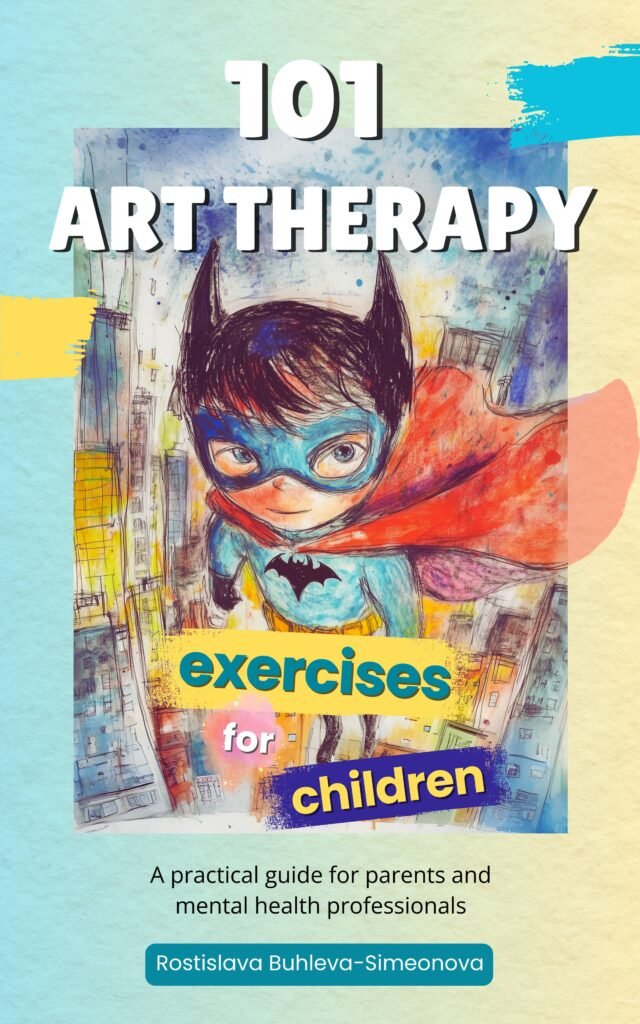
In today’s fast-paced digital world, many children experience fewer opportunities for creativity, emotional connection, and imaginative play. As a result, parents and educators are increasingly searching for meaningful ways to support emotional wellbeing and healthy development. This is where art therapy for kids ideas can play an important role.
The book 101 Art Therapy Exercises for Children, written by a certified art therapist and parenting expert, offers a practical and compassionate approach to helping children express emotions through creativity. Rather than relying only on verbal communication, the book recognizes that children naturally communicate through play, movement, drawing, and storytelling. Consequently, art becomes far more than entertainment. It becomes a safe language for emotional expression.
For children who struggle to explain feelings such as anxiety, frustration, sadness, or fear, creative activities can provide a gentle bridge between inner emotions and outward communication. At the same time, these exercises help strengthen confidence, imagination, and emotional awareness in everyday life.
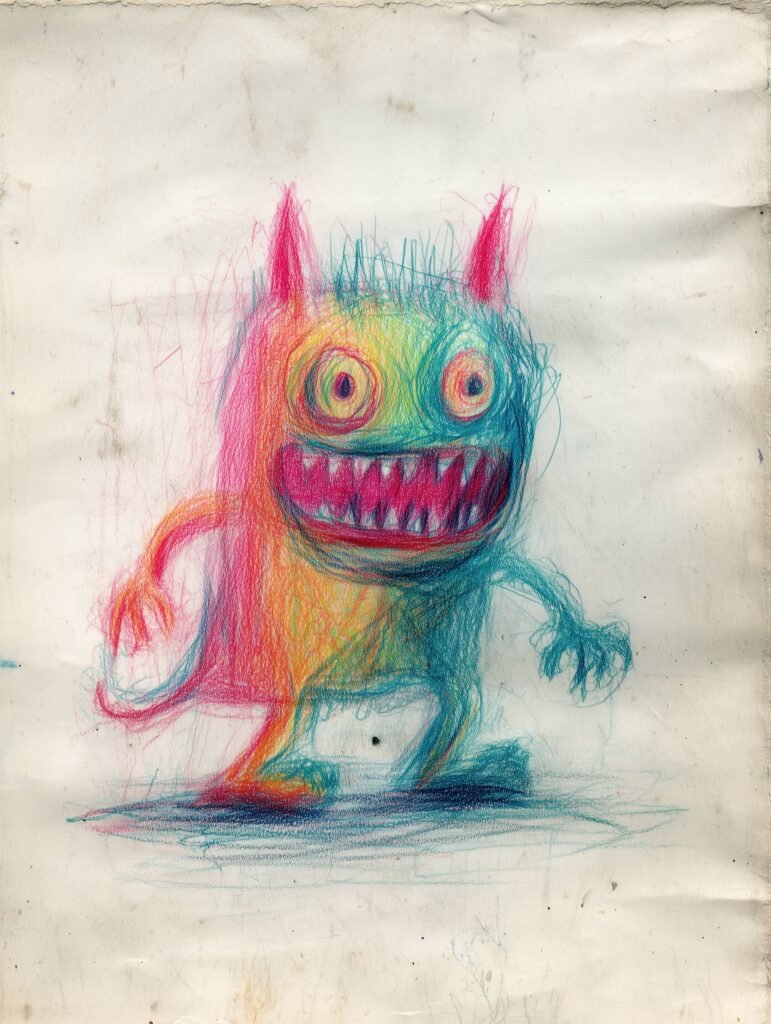
“The Not Me Monster”
The Psychological Benefits Behind Art Therapy for Kids
One of the greatest strengths of the book is its strong foundation in psychology and neuroscience. Research consistently shows that creative activities can positively influence emotional regulation, stress reduction, and cognitive flexibility. In particular, art-making activates areas of the brain connected to emotion, sensory processing, and memory.
As children engage in drawing, painting, sculpting, or imaginative storytelling, the nervous system often shifts into a calmer state. Because of this, creative activities may help children feel safer, more focused, and emotionally balanced. Furthermore, artistic expression encourages resilience by allowing children to process experiences in a non-threatening way.
Importantly, the book connects scientific insight directly to practical application. Rather than presenting research in abstract terms, each activity is tied to a therapeutic purpose. This makes the exercises accessible for parents, teachers, and caregivers who want realistic and effective art therapy for kids ideas they can use at home, in classrooms, or in supportive therapeutic settings.
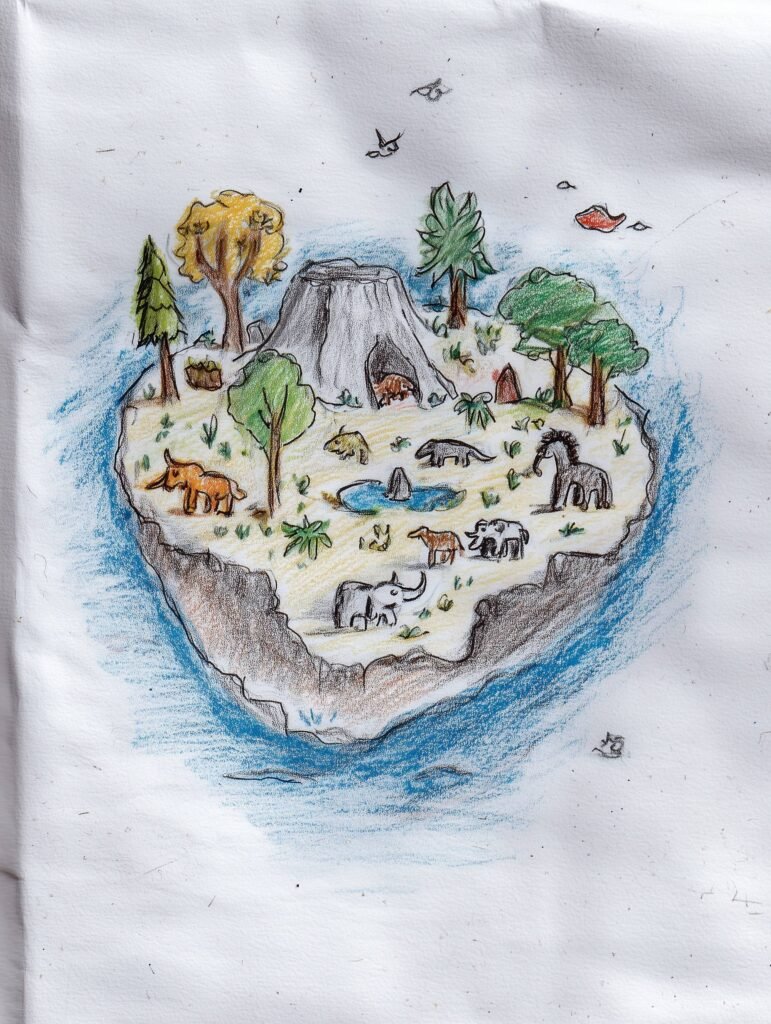
“My Own Island”
How Art Therapy for Kids Ideas Encourage Emotional Awareness
Creative activities can also serve as gentle observational tools for adults. Through repeated artistic expression, caregivers may begin to notice patterns in children’s emotions, coping strategies, and imaginative themes. However, the book carefully emphasizes that artwork should never be used to diagnose or label children. Instead, adults are encouraged to remain curious, supportive, and emotionally available.
This balanced approach helps create trust and emotional safety. Rather than pressuring children to explain difficult feelings directly, adults can invite open-ended conversations about drawings and creative projects. As a result, children often feel more comfortable sharing thoughts that might otherwise remain hidden.
Additionally, many of the exercises support emotional literacy by helping children identify, name, and explore feelings through color, symbols, movement, and storytelling. These kinds of art therapy for kids ideas encourage self-awareness while also strengthening communication and emotional resilience over time.
Creativity, Imagination, and Cognitive Development
The book also highlights the powerful connection between imagination and cognitive growth. Creativity is not treated as an optional extra activity. Instead, it is viewed as a central part of healthy child development.
When children experiment with art materials, they learn to problem-solve, make decisions, and adapt ideas as their creations evolve. Consequently, these experiences strengthen flexible thinking, concentration, and memory through hands-on learning. At the same time, children develop confidence in their ability to explore uncertainty and create original ideas.
Imaginative activities also help children build identity and independence. Through open-ended artistic exploration, they gradually learn that mistakes can become opportunities for creativity rather than sources of failure. Because of this, many parents and educators turn to art therapy for kids ideas as a way to nurture both emotional wellbeing and cognitive development simultaneously.
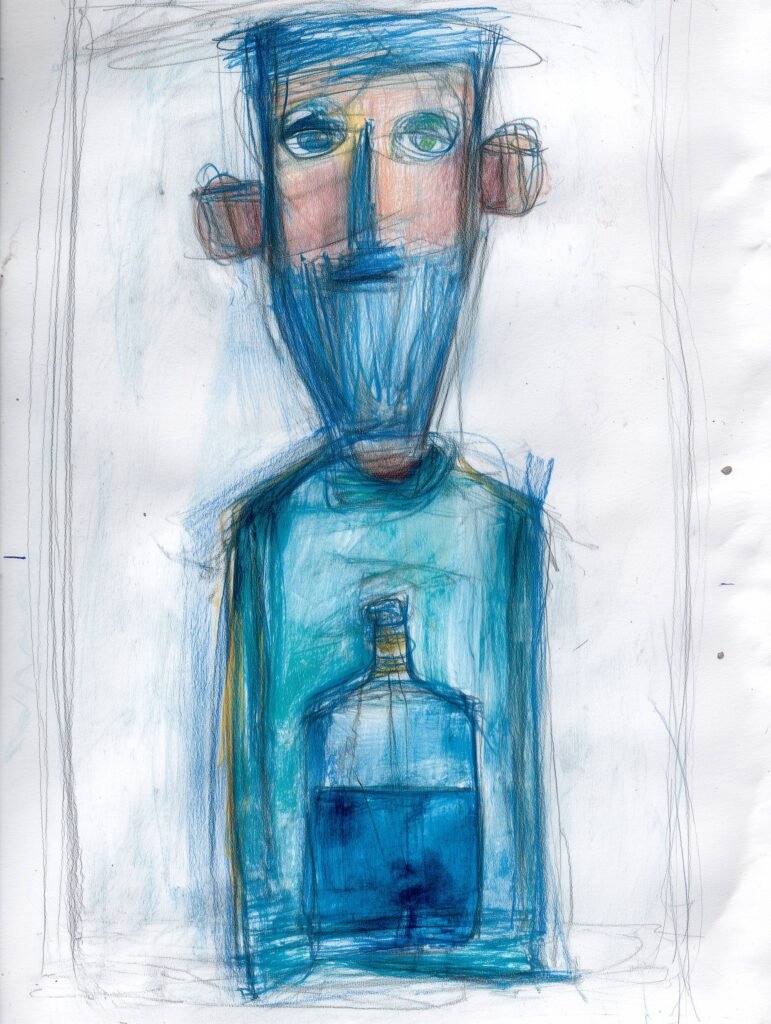
“A Genie from a Bottle”
Strengthening Attachment Through Shared Creativity
One of the most meaningful aspects of child-centered creative work is its ability to strengthen relationships between children and caregivers. Shared artistic experiences create opportunities for calm connection, emotional attunement, and trust.
Research suggests that collaborative creative activities may help improve attachment security while reducing stress and conflict within families. Instead of focusing on performance or instruction, shared art encourages emotional presence and mutual exploration. Consequently, children often feel safer expressing difficult emotions when adults participate alongside them.
The book encourages caregivers to join children during creative exercises whenever possible. Whether drawing together, painting emotions, or building imaginative stories, these moments can foster warmth and open communication. In this way, art therapy for kids ideas become not only emotional tools for children but also meaningful opportunities for relational connection.
A Developmentally Sensitive Approach to Art Therapy for Kids
Another important strength of the book is its developmentally appropriate structure. Activities are grouped by age ranges, including 4–6, 7–9, and 10–12 years old. This thoughtful organization helps ensure that exercises match children’s emotional and cognitive abilities at different stages of growth.
At the same time, the activities remain flexible enough to evolve alongside the child. Many exercises can be repeated over time, often revealing new layers of emotional insight and creativity as children mature. Additionally, several activities can easily be adapted for classrooms, group settings, or family participation.
Because of this flexibility, the book becomes more than a simple collection of art prompts. Instead, it offers caregivers a compassionate guide filled with practical art therapy for kids ideas designed to support emotional intelligence, resilience, imagination, and secure attachment through the healing language of creativity.
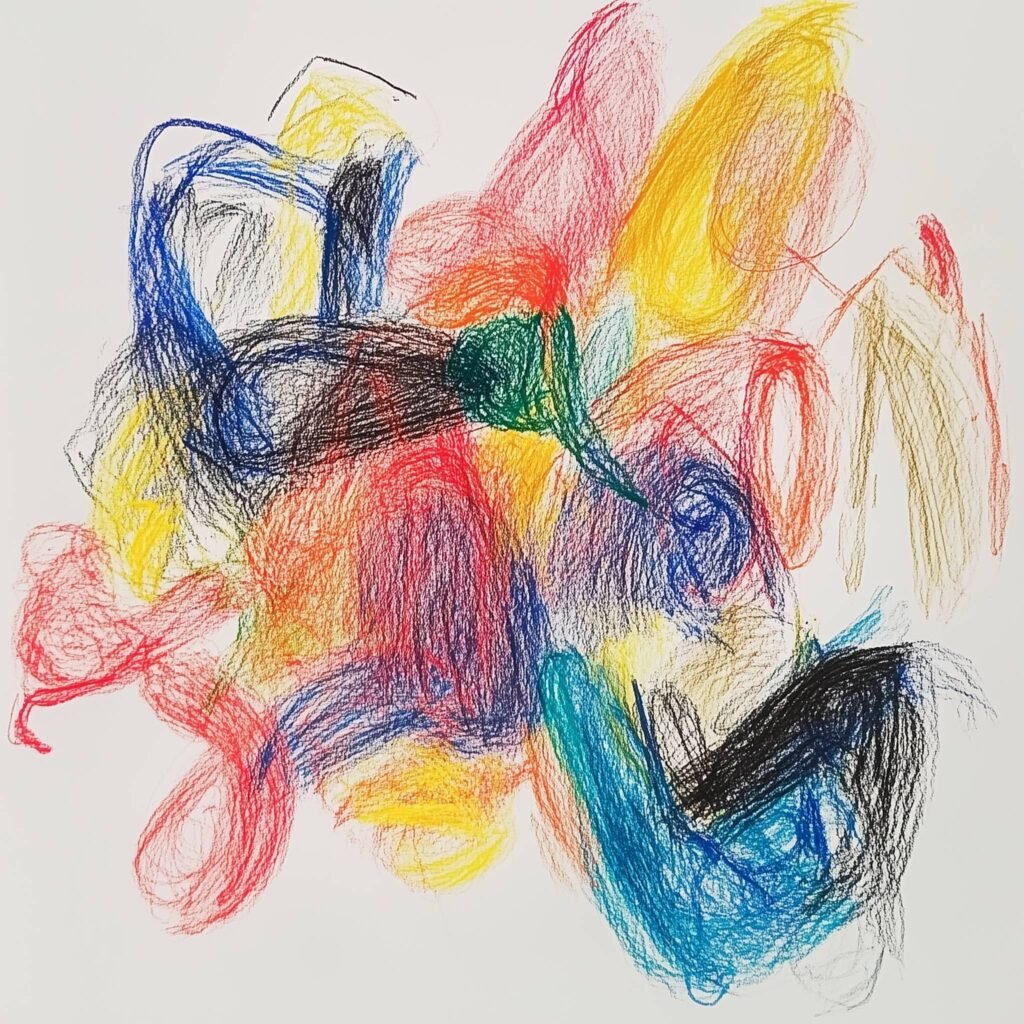
“Scribble Drawing”
Warm-Up Exercise: Scribble Drawing
Purpose
The “Scribble Drawing” activity is a simple yet powerful warm-up exercise that encourages imagination, creative thinking, and emotional exploration. Inspired by the work of art therapist Florence Cane, the exercise uses spontaneous mark-making to unlock creativity and reduce performance anxiety.
Children begin by creating random scribbles before transforming them into recognizable images, characters, or scenes. Because there is no “right” answer, the activity feels playful and low-pressure. Consequently, children often feel more confident experimenting with ideas and expressing themselves freely.
Studies on open-ended creative tasks suggest that imaginative activities can improve originality, flexible thinking, and problem-solving skills. Additionally, this exercise supports emotional confidence by helping children discover meaning within abstract forms.
Materials Needed
- White paper
- Crayons, markers, or colored pencils
Session Description
Begin by creating a relaxed and playful atmosphere. Explain that the child will make a large, wild scribble before turning it into something recognizable. For example, they may discover animals, faces, objects, or imaginative creatures hidden within the shapes.
Next, invite the child to move their hand freely across the paper for several seconds. Afterward, encourage them to study the scribble carefully and add details to transform it into meaningful images. During the activity, ask gentle questions such as, “What do you notice?” or “What could this shape become?”
Finally, spend a few minutes reflecting together on the finished drawing. Celebrate the child’s creativity and curiosity while encouraging open conversation about their ideas and discoveries.
How It Helps
- Encourages imagination and creative flexibility
- Supports problem-solving and adaptive thinking
- Builds confidence through open-ended exploration
- Reduces fear of making mistakes
- Prepares children for deeper emotional expression through art therapy activities
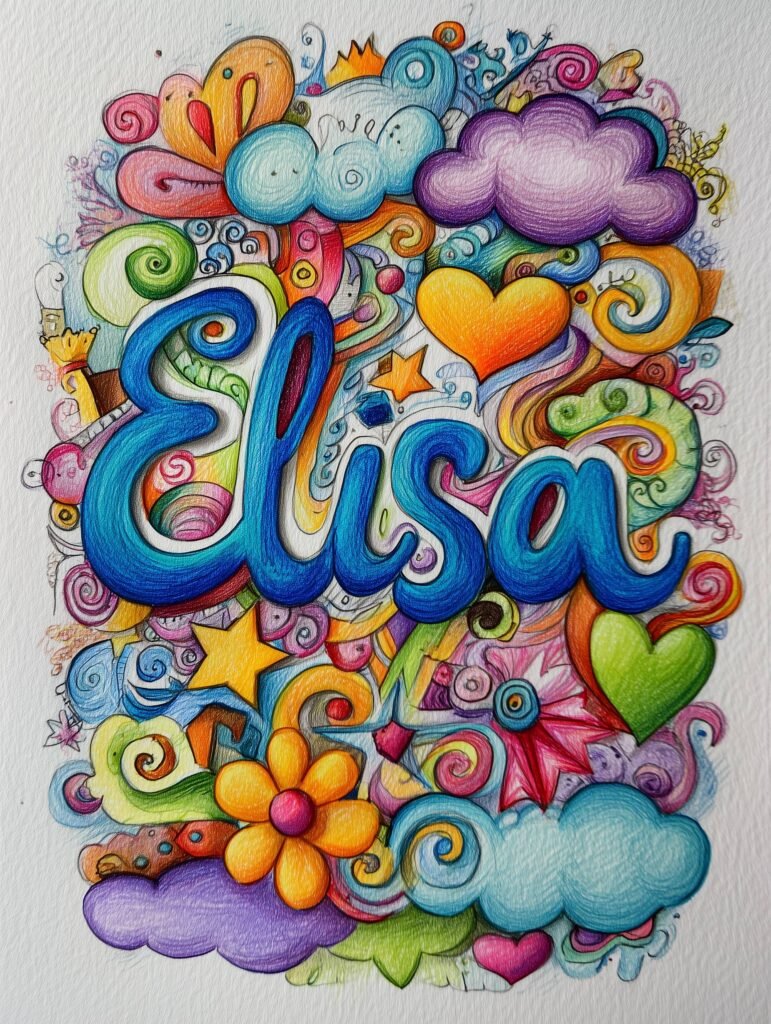
“Design Your Own Name”
Design Your Own Name
Purpose
The “Design Your Own Name” session empowers children to create a personalized, artistic representation of their name, fostering self-esteem, self-expression, and a positive sense of identity. This activity draws on the work of art therapist David Henley, who used symbolic art to enhance children’s self-concept through creative exploration (Henley, 2002). Psychologically, it aligns with self-determination theory, which emphasizes autonomy and competence as key drivers of intrinsic motivation and well-being (Deci & Ryan, 2000). By designing their name with colors, patterns, and symbols that reflect their personality, children reinforce their sense of agency and uniqueness, supporting Erikson’s stage of industry vs. inferiority, where competence is built through meaningful tasks (Erikson, 1963). A 2018 study found that identity-focused art activities increased self-esteem in children ages 7–10 by 26%, as measured by self-report scales (Parker et al., 2018).
Materials Needed
- White paper (8.5×11 inches or larger)
- Crayons, markers, colored pencils, and watercolors
- Brushes and sponges
- Optional: Stickers, glitter glue, or foam letters for embellishment
- Optional: A mirror for self-reflection during the introduction
Session Description
Introduction (5–7 minutes): Explain that the child will create a unique design of their name (or nickname) that shows who they are, like a banner of their personality. Say, “Your name is special because it’s yours!” Ask, “What do you love about your name? What makes you, you?” Share an example (e.g., “My name is Alex, and I’d draw it with blue waves because I love the ocean”). For ages 7–9, encourage them to think about colors, shapes, or symbols that represent their interests or strengths. If they use a mirror, invite them to look at themselves and say their name proudly to spark confidence.
Designing the Name (15–30 minutes): Provide paper and a variety of art supplies. Invite the child to write their name in big letters and then decorate it with patterns, images, or symbols that feel personal. Prompt with questions like, “What colors show your energy?” “What shapes or pictures feel like you?” or “Is there something you’re very good at?” Observe how they fill the space (e.g., bold or cautious designs) and note for reflection. Stay engaged but non-directive, praising their choices (e.g., “Those zigzag lines on your ‘M’ are so cool!”). If they hesitate, share more about your design (e.g., “I added a sun because I’m cheerful—what about you?”).
Reflection (7–10 minutes): Sit with the finished artwork and explore it together. Ask specific questions: “What’s special about your name design?” “Why did you choose those colors or shapes?” “What part shows something you love about yourself?” “Does your design have a story?” Listen closely, reflecting their pride or excitement. Validate any self-conscious moments. Discuss how their name design is a celebration of who they are, reinforcing their unique strengths. If they share challenges, affirm their effort and uniqueness.
Closure (5–7 minutes): Celebrate their creation with enthusiasm. Ask if they’d like to add final touches or tweak their design. Offer to display the artwork in their room or keep it in a special folder. Optionally, create a proud moment: invite them to “present” their name design by holding it up and saying one thing they love about it. Join in by presenting your own (e.g., “My ‘A’ has waves because I’m calm!”).
Pivotal Moments
- Boosting Self-Esteem: Reinforces confidence as children create a personalized design celebrating their identity.
- Fostering Self-Expression: Encourages children to share their personality and interests through creative choices.
- Exploring Identity: Promotes reflection on personal strengths and qualities, like kindness or creativity.
- Overcoming Self-Doubt: Provides a safe outlet for children hesitant to stand out or compare themselves to peers.
- Celebrating Achievements: Supports pride in mastering a detailed, meaningful artwork.
- Navigating Peer Comparisons: Empowers children to focus on their uniqueness during social challenges.
- Building Competence: Aligns with developmental needs for mastery and autonomy at ages 7–9.
Conclusion
In a world where children increasingly face emotional stress, digital overload, and reduced opportunities for meaningful creative expression, art can become a powerful tool for connection and healing. The book 101 Art Therapy Exercises for Children offers far more than simple craft activities. Instead, it provides thoughtful, evidence-informed guidance designed to support emotional intelligence, creativity, resilience, and secure attachment through imaginative exploration.
By encouraging children to express themselves through drawing, storytelling, movement, and symbolic play, these activities help create safe pathways for emotional communication. At the same time, shared creative experiences strengthen trust and connection between children and caregivers. Consequently, children are given space not only to explore difficult emotions but also to develop confidence, flexibility, and self-awareness in supportive environments.
Most importantly, these art therapy for kids ideas remind us that creativity is not just entertainment. It is a deeply human form of communication, discovery, and emotional growth. Whether used at home, in schools, or within therapeutic settings, creative activities can help children feel seen, understood, and emotionally supported as they grow.
Some of the links on this blog are affiliate links, which means I may earn a commission if you make a purchase using the link. This comes at no additional cost to you. I only recommend products or services that I believe in and think will be valuable to my readers. I am also hoping you might consider purchasing my book 101 Art Therapy Exercises for Children: A Practical Guide for Parents and Mental Health Professionals. Thank you for supporting this blog!
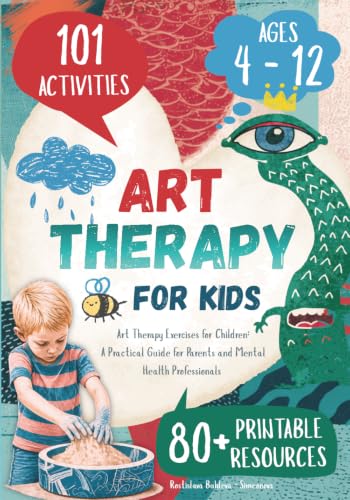
 Rostislava Buhleva-Simeonova is a psychologist, art therapist, and gamificator. She has worked with children, adults, and the elderly within various therapeutic programmes over the past eight years, all the while providing the much-needed playful twist that art and gamified experiences can bring to this sometimes uneasy setting. But it wasn’t until the birth of her daughter, Aurora, that this work took on an even deeper personal meaning. With her academic and real-life experience, honed through numerous trainings and sessions, she is currently authoring books and articles in the field of child psychology and development, offering expertise in art and play therapy to guide parents and caregivers, as well as professionals in the fields of social work and mental health, throughout various pivotal moments in children’s lives. Last but not least, all of her books have been “peer-reviewed” by her daughter, who testifies to the efficiency of these methods.