
Sleep is not simply a period of rest for babies and toddlers—it is a fundamental biological process that supports brain development, emotional regulation, physical growth, and learning. When sleep becomes inconsistent or fragmented, the effects can be felt far beyond nighttime. Irregular sleep patterns can influence a child’s mood, attention, behaviour, and ability to regulate emotions, while also placing a significant strain on parents’ mental health, daily functioning, and relationships.
Chronic sleep disruption often leads to exhaustion, irritability, and reduced emotional capacity for caregivers. Over time, this can impact family dynamics, increasing tension between partners and reducing opportunities for connection, patience, and shared problem-solving. Many couples report that prolonged sleep deprivation becomes one of the greatest stressors in early parenthood. Addressing sleep challenges, therefore, is not about enforcing rigid rules—it is about protecting the wellbeing of the entire family system.

The Temptation to “Let Them Fall Asleep Naturally”
Parents often—explicitly or implicitly—believe that babies will eventually “figure out” sleep on their own if left to it. While biological maturation does play a role in sleep development, psychological research consistently shows that young children rely heavily on external regulation before they are capable of self-regulation.

From a developmental psychology perspective, infants and toddlers do not yet have the neurological maturity to consistently settle themselves without support. According to attachment theory (Bowlby, Ainsworth), responsive caregiving helps build a sense of safety and predictability, which in turn supports the development of self-soothing skills later on. Leaving sleep entirely to chance or overtiredness often leads to heightened cortisol levels, fragmented sleep cycles, and increased night waking—rather than improved sleep.
Rather than waiting for sleep to “naturally” occur, young children benefit from intentional, predictable support that aligns with their developmental needs.
Why Routine Is Central to Healthy Sleep
Both classical and contemporary psychological research emphasise the importance of routine in early childhood. Behavioural psychology highlights the role of repetition and conditioning, while modern neuroscience shows that predictable patterns help regulate circadian rhythms and reduce stress responses in the brain.
Routine matters in three key ways:
1. Consistent Sleep and Wake Times
Waking up and going to bed at roughly the same time each day helps regulate the child’s internal clock. Irregular timing—especially sleeping in after a difficult night—can perpetuate a cycle of overtiredness and nighttime wakefulness.
2. Predictable Daily Activities
Sleep is influenced by what happens throughout the day, not just at bedtime. Active, sensory-rich play is essential for development, but its timing matters. High-energy, stimulating activities are best offered earlier in the day, while afternoons and evenings should gradually become calmer and more predictable.
3. A Repeated Sequence of Events
Young children thrive on sequence. When the same actions happen in the same order each evening, the brain begins to associate those steps with safety, slowing down, and sleep. This is not about perfection—it is about familiarity.

The Power of Bedtime Rituals
Rituals signal safety, connection, and transition. They are particularly powerful because they combine repetition with emotional meaning.
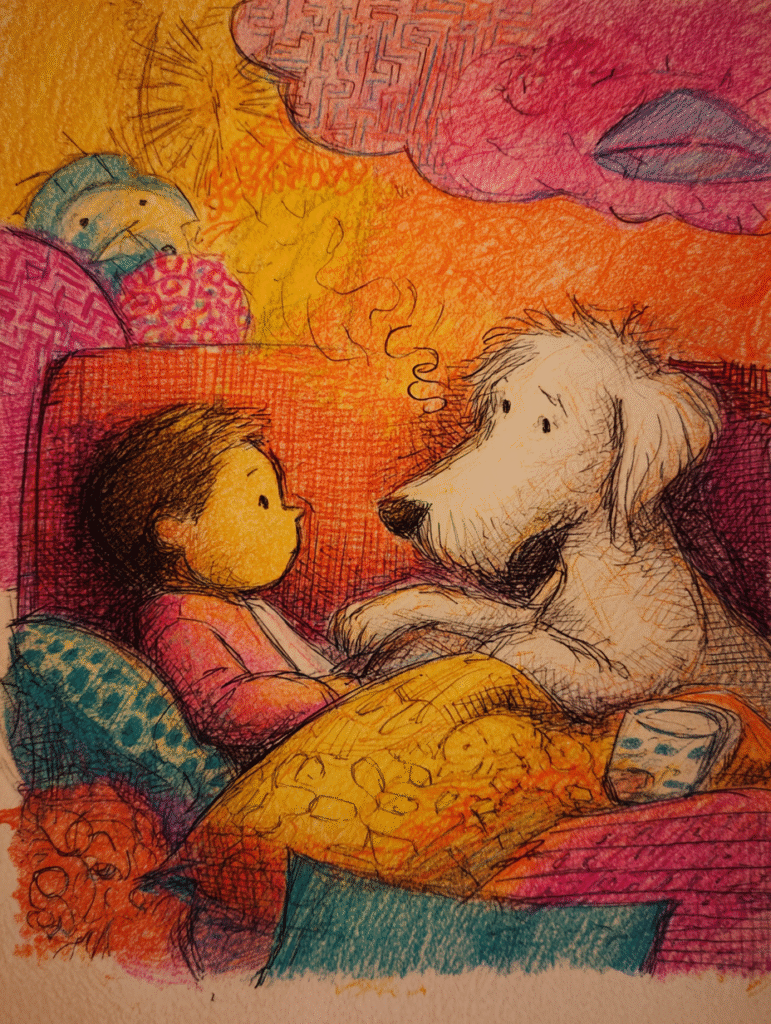
In my own family, bedtime follows a gentle, familiar rhythm: the baby has a warm shower, says goodnight to the dog (or sometimes a favourite toy), turns the light off herself, and is breastfed in the dark. I then sing her lullabies. Each step happens in the same order, every night.
Crucially, this phase is free from sensory stimulation:
- No bright lights
- No sudden sounds
- No new toys or activities
Research on sensory processing shows that light, noise, and novelty activate the nervous system. For sleep to occur, the body needs cues that it is safe to slow down. Darkness, quiet voices, repetitive songs, and gentle touch all support the parasympathetic nervous system—the system responsible for rest and restoration.
Common Reasons Babies and Toddlers Struggle With Night-time Sleep
Sleep difficulties are rarely caused by a single factor. Some of the most common contributors include:
- Overtiredness or oversleeping during the day, disrupting nighttime sleep pressure
- Overstimulation before bedtime, including screens, bright lights, loud play, or exciting interactions
- Inconsistent routines, especially varying sleep and wake times
- Hunger or malnutrition, including insufficient daytime calories or feeding difficulties
- Physical discomfort, such as teething, reflux, gas, constipation, or illness
- Developmental leaps, which temporarily disrupt sleep patterns
- Separation anxiety, common in late infancy and toddlerhood
- Environmental factors, such as room temperature, noise, or lighting
- Emotional dysregulation, where a child relies on adult co-regulation to feel safe enough to sleep
Importantly, these factors often overlap. A child who is overtired may become overstimulated more easily, while hunger or discomfort can intensify emotional distress at night.
![What to Expect the First Year [Third Edition]; most trusted baby ...](https://m.media-amazon.com/images/I/51BTv10c6iL.jpg)
Understanding Sleep Regressions
Sleep regressions are a common and often misunderstood part of early development. They typically coincide with periods of rapid neurological, cognitive, or physical growth—such as learning to crawl, walk, speak, or experiencing heightened separation awareness. From a developmental psychology perspective, these disruptions are not signs of bad habits or failed routines, but rather evidence that the child’s brain is reorganising and integrating new skills. In most cases, sleep regressions do not require a complete “fix,” but they do benefit from consistency and containment. Maintaining established routines, sleep times, and calming rituals provides stability while the child moves through this temporary phase. Introducing new sleep strategies during a regression can sometimes prolong disruption, as it adds unpredictability at a time when the nervous system is already under strain. Gentle reassurance, responsive caregiving, and a return to familiar rhythms are usually sufficient, allowing sleep to settle again once the developmental leap has passed.
Letting the Child Cry Itself to Sleep: What the Evidence Says
The “cry it out” approach—allowing a baby or toddler to fall asleep on their own while crying—has been a controversial method for decades. Classical behaviourist approaches suggested that controlled crying could teach children to self-soothe, and some short-term studies reported improved sleep duration. However, contemporary research offers a more nuanced perspective. Prolonged or repeated crying has been shown to elevate cortisol levels, the body’s stress hormone, which can impact emotional regulation and, in sensitive children, may interfere with attachment security. From the standpoint of attachment theory (Bowlby, Ainsworth) and current developmental psychology, responsive caregiving—comforting and reassuring a child while maintaining predictable routines—promotes both healthy sleep and long-term emotional wellbeing.
Importantly, “crying it out” does not account for the individual differences in temperament, developmental stage, or sensory sensitivity that affect how children respond to stress. Many infants and toddlers benefit more from gradual, responsive approaches, such as brief periods of separation combined with comforting presence, gentle touch, or verbal reassurance. Maintaining consistent bedtime rituals and predictable sequences—like dimming lights, calming activities, and familiar lullabies—helps signal safety and encourages natural sleep onset. By prioritising emotional security alongside structured routines, caregivers can foster better sleep habits while reducing stress for both child and parent, creating a foundation for healthier sleep patterns over time.

A Gentle, Psychology-Informed Approach
Addressing sleep challenges does not require harsh methods or ignoring a child’s emotional needs. Classical theories of learning remind us that repetition and consistency shape behaviour, while contemporary attachment research underscores the importance of responsiveness and emotional safety.
A balanced approach recognises that:
- Babies and toddlers need support, not independence when it comes to sleep patterns
- Structure and predictability create freedom and security, not restriction
- Sleep improves when the nervous system feels safe, regulated, and understood
By focusing on routine, reducing sensory input at the right times, and responding to underlying needs rather than surface behaviours, families can gradually restore more restful nights—without compromising connection or trust.
Sleep is not just a skill a child must learn alone. It is a shared process, shaped by relationship, rhythm, and repeated experiences of safety.
Some of the links on this blog are affiliate links, which means I may earn a commission if you make a purchase using the link. This comes at no additional cost to you. I only recommend products or services that I believe in and think will be valuable to my readers.


Rostislava Buhleva-Simeonova is a psychologist, art therapist, and gamificator. She has worked with children, adults, and the elderly within various therapeutic programmes over the past eight years, all the while providing the much-needed playful twist that art and gamified experiences can bring to this sometimes uneasy setting. But it wasn’t until the birth of her daughter, Aurora, that this work took on an even deeper personal meaning. With her academic and real-life experience, honed through numerous trainings and sessions, she is currently authoring books and articles in the field of child psychology and development, offering expertise in art and play therapy to guide parents and caregivers, as well as professionals in the fields of social work and mental health, throughout various pivotal moments in children’s lives. Last but not least, all of her books have been “peer-reviewed” by her daughter, who testifies to the efficiency of these methods.