
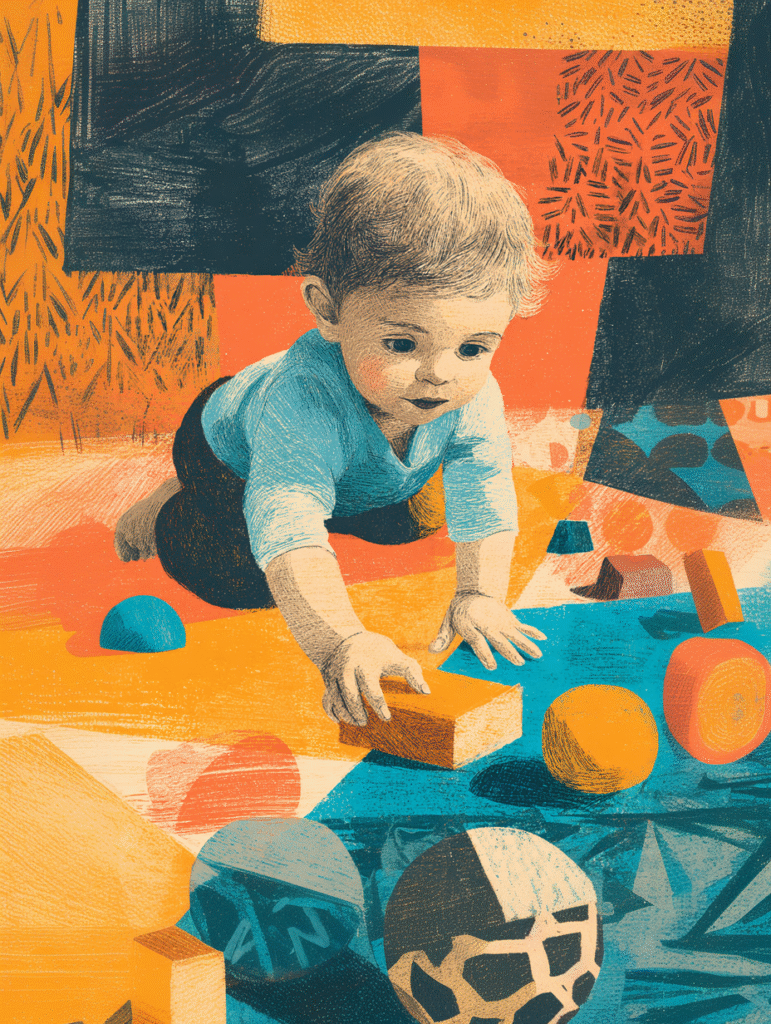
In early childhood, development doesn’t happen in neat, separate boxes. Cognitive growth, motor skills, sleep, attachment, and nutrition are all part of the same system, constantly influencing one another. When one area is disrupted or delayed, it often sends ripples through the others. This is why developmental changes in babies and toddlers can sometimes look surprising on the surface — a feeding issue showing up as a language delay, or poor sleep affecting emotional regulation and learning.
Developmental psychology has long recognised this interconnectedness. Piaget’s description of the sensorimotor stage (birth to around two years) emphasises that infants learn through physical interaction with the world. Thinking develops through movement, touch, and sensory exploration. Modern neuroscience has strengthened this idea, showing that brain networks responsible for movement, language, and cognition develop together rather than in isolation.
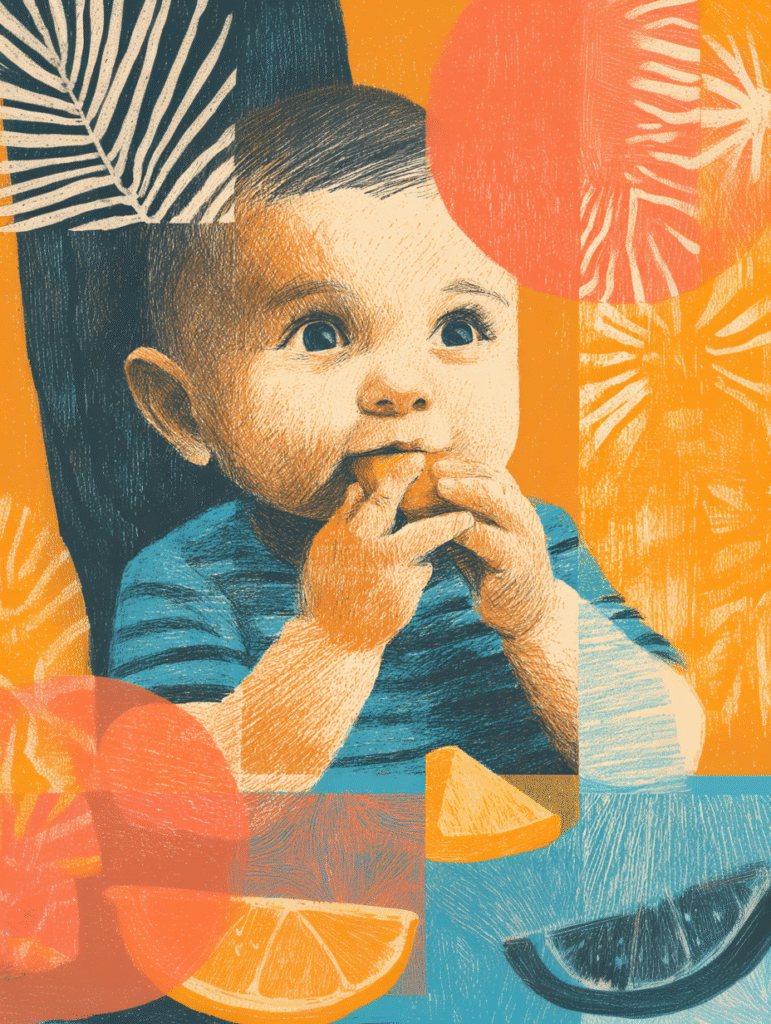
One example that illustrates this clearly is the relationship between feeding, motor development, and speech. Introducing solid foods is not just about nutrition; it is also a major motor and sensory milestone. Chewing, managing different textures, bringing food to the mouth, and coordinating breathing with swallowing all require complex oral-motor control. These same muscles and neural pathways are later used for speech. Research has found that when textured foods are introduced very late, some children show weaker oral-motor skills, which can be associated with delayed speech sounds or reduced clarity of articulation. This doesn’t mean late solids cause speech delay on their own, but it highlights how missed practice opportunities in one domain can influence another.

Motor development more broadly plays a similar role. When babies learn to roll, sit, crawl, and eventually walk, they dramatically expand how they interact with their environment. Studies have shown that infants who gain independent mobility earlier tend to show advances in spatial awareness, problem-solving, and even social communication. A crawling baby can choose what to explore, bring objects to caregivers, and initiate shared attention — all of which are powerful foundations for language learning. Conversely, limited opportunities for movement can reduce exploration, which in turn limits the cognitive and linguistic input a child receives.
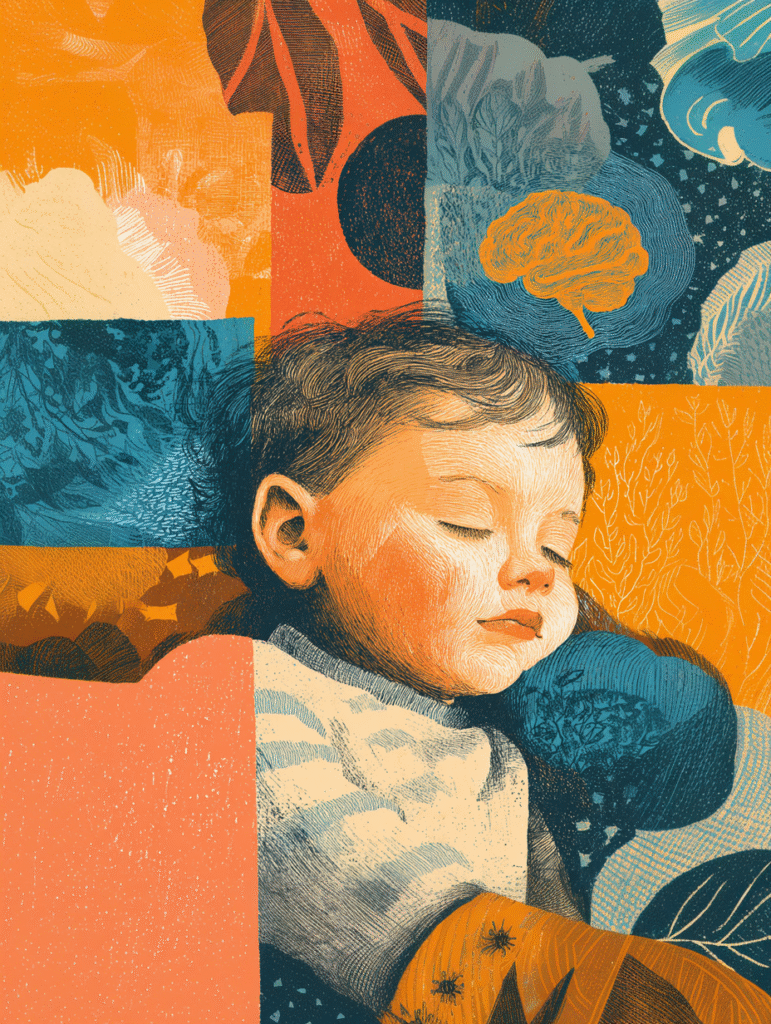
Sleep is another key piece of this puzzle. In infancy and toddlerhood, sleep is a period of intense brain activity rather than rest. Memory consolidation, emotional processing, and neural pruning all occur during sleep. Research using EEG has shown that specific sleep features, such as sleep spindles and slow-wave activity, are closely linked to learning and brain maturation. When sleep is fragmented or consistently insufficient, children may struggle more with attention, emotional regulation, and learning new skills. A tired toddler is less able to focus during play, less resilient during challenges, and often less receptive to language input — again showing how sleep indirectly shapes cognitive and social development.

Attachment weaves through all of this. According to attachment theory, developed by Bowlby and expanded by Ainsworth, a secure attachment relationship provides a “safe base” from which a child feels confident to explore. This emotional security has measurable biological effects. Securely attached children tend to show better regulation of stress hormones such as cortisol, which protects developing brain structures involved in memory, attention, and executive functioning. From a practical perspective, a securely attached baby is more likely to explore freely, engage in playful back-and-forth interactions, and tolerate frustration — all essential for learning.
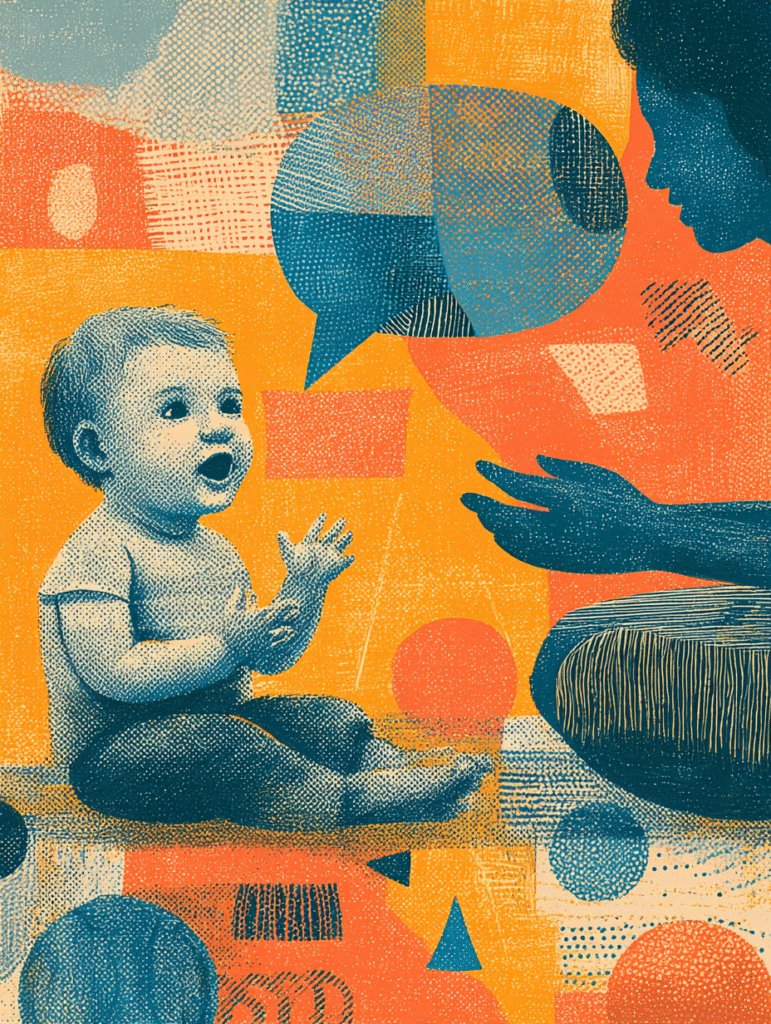
Language development is particularly sensitive to attachment quality. Responsive caregivers who notice and respond to a baby’s cues tend to talk more, label experiences more often, and engage in richer conversational exchanges. These interactions are not just emotionally meaningful; they actively shape neural language networks. When attachment is insecure or caregiving is inconsistent, children may receive fewer high-quality language interactions, even if basic needs like food and sleep are technically being met.

Nutrition underpins all of these processes at a biological level. The developing brain is especially sensitive to nutrient availability, particularly in the first three years of life. Iron, for example, is essential for myelination and neurotransmitter function. Iron deficiency in infancy has been linked to delays in motor development, attention, and later cognitive performance. Similarly, insufficient intake of essential fatty acids can affect neural connectivity and visual-spatial skills. Contemporary research on dietary diversity shows that toddlers who are exposed to a wider range of nutrient-dense foods tend to score higher on measures of cognitive and motor development, highlighting that it’s not just calories but quality and variety that matter.
What makes early development particularly complex — and fascinating — is how these domains reinforce one another in daily life. A well-nourished child is more likely to sleep well. Better sleep supports emotional regulation, which strengthens caregiver-child interactions. Positive, responsive interactions make feeding and bedtime routines smoother and less stressful. Active play during the day increases appetite and improves sleep quality at night. Development is cyclical rather than linear.

This interconnected view also helps explain why early challenges often cluster together. A baby with disrupted sleep may be more irritable, leading to shorter, less engaged play interactions. Reduced play limits motor practice and exploration, which in turn reduces opportunities for learning and language exposure. Over time, these small effects can accumulate. Importantly, this also means that supporting one area — improving sleep routines, enhancing responsive feeding, or increasing opportunities for movement and play — can have positive effects across multiple domains.
For parents and professionals alike, the key takeaway is that development should be viewed holistically. Rather than focusing narrowly on isolated milestones, it is more helpful to look at the child’s overall experience: how they move, eat, sleep, connect, and explore. When these systems are supported together, babies and toddlers are given the strongest possible foundation for healthy cognitive, emotional, and physical development.
Some of the links on this blog are affiliate links, which means I may earn a commission if you make a purchase using the link. This comes at no additional cost to you. I only recommend products or services that I believe in and think will be valuable to my readers.

Rostislava Buhleva-Simeonova is a psychologist, art therapist, and gamificator. She has worked with children, adults, and the elderly within various therapeutic programmes over the past eight years, all the while providing the much-needed playful twist that art and gamified experiences can bring to this sometimes uneasy setting. But it wasn’t until the birth of her daughter, Aurora, that this work took on an even deeper personal meaning. With her academic and real-life experience, honed through numerous trainings and sessions, she is currently authoring books and articles in the field of child psychology and development, offering expertise in art and play therapy to guide parents and caregivers, as well as professionals in the fields of social work and mental health, throughout various pivotal moments in children’s lives. Last but not least, all of her books have been “peer-reviewed” by her daughter, who testifies to the efficiency of these methods.