
Lying can often feel like one of the most challenging behaviours parents face. When children lie, it can trigger frustration and confusion, especially when parents feel betrayed by the breach of trust. However, responding with anger or punishment can often do more harm than good. Instead, this moment can serve as a valuable opportunity to guide your child toward understanding the significance of honesty.
In this post, we’ll delve into the psychology behind why children lie, how you can respond effectively, and strategies for teaching honesty and integrity over time. Drawing on both contemporary research and classical psychological theory, this guidance can help you navigate these challenging moments with patience and empathy.
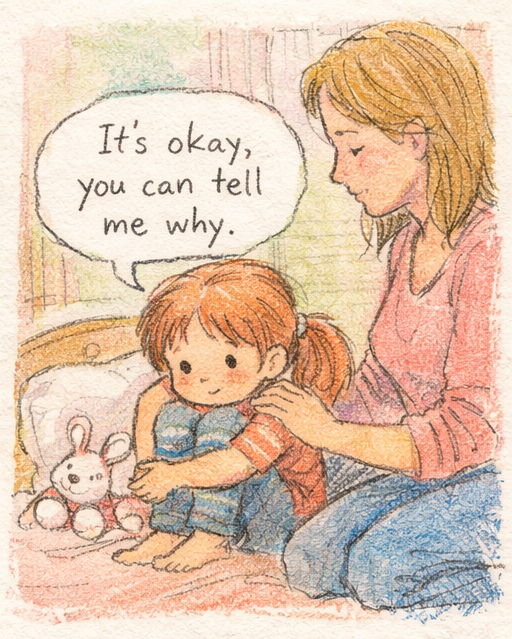
Why Do Kids Lie?
Understanding why children lie is crucial in shaping your response. Here are some psychological reasons behind the behavior:
- It Works (At Least Temporarily): Research shows that children often lie because it helps them avoid consequences or get what they want (Snyder, 2004).
- To Please Others: Children may lie to avoid disappointing parents or to gain approval, especially in social contexts where they may feel pressure (Bandura, 1977).
- Fear of Punishment: If a child fears punishment, they may lie to protect themselves. This is closely tied to the development of fear and avoidance behaviors in early childhood.
- Modeling Behavior: Children may imitate lying if they see it modeled by peers, siblings, or adults in their environment (Vygotsky, 1978).
- Understanding Truth: Sometimes, children lie simply because they have not yet fully grasped the concept of truth versus falsehood. This is a developmental process that matures over time.
The Key to Responding to a Lie
Catching your child in a lie can evoke strong emotions, but it’s important to recognize that children’s understanding of truth-telling is still developing. Research in child development suggests that children need emotional security and the opportunity to reflect on their behaviour in order to understand and internalize moral lessons (Berk, 2013). By approaching the situation thoughtfully, you can foster an environment where your child feels safe enough to be honest and learn from their mistakes.
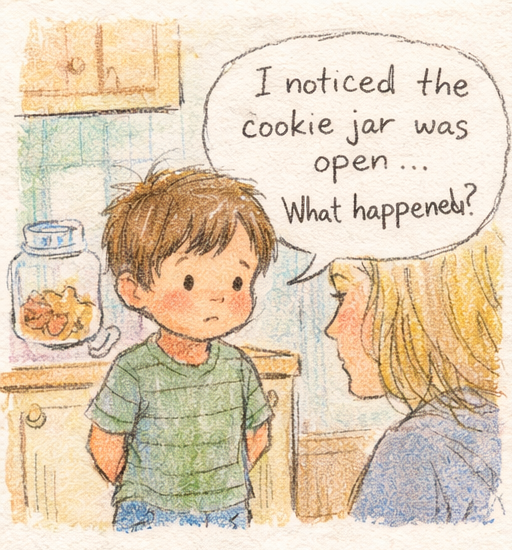
1. Avoid Setting Them Up to Lie
Instead of phrasing questions in a way that forces a simple “yes” or “no” response—such as, “Did you eat the cookie?”—try acknowledging the situation in a more open-ended manner. For example, “I noticed the cookie jar was open. What happened?” This approach minimizes the temptation to lie by giving your child an opportunity to explain the situation in their own words. It aligns with Vygotsky’s concept of “scaffolding,” where adults support a child’s thinking by posing questions that encourage reasoning, rather than merely seeking a correct answer (Vygotsky, 1978).
By giving children space to share their perspective, you promote honesty while teaching them how to communicate effectively and responsibly.
2. Create a Learning Environment
While lying is often seen as a behavioural issue, it’s essential to understand that children lie for many reasons that are developmentally appropriate. For instance, younger children may fabricate stories as a form of creative expression (Piaget, 1954), while older children may lie to protect themselves from perceived consequences.
Instead of shaming or reprimanding your child, aim to provide a calm and non-punitive space where they can feel heard and understood. This encourages emotional growth and fosters trust, which is necessary for teaching values like honesty.
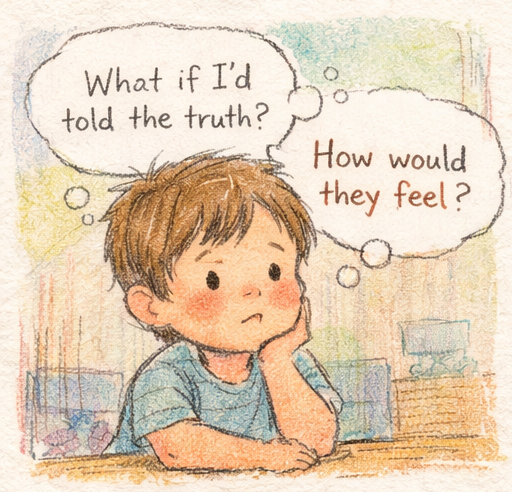
3. Hold Off on Lecturing
Rather than immediately delivering a lecture on why lying is wrong, allow your child time to reflect on their actions. Developmental psychologist Erik Erikson (1963) emphasized the importance of self-reflection and problem-solving in shaping children’s moral development. Instead of asking a simple “Why did you lie?” consider asking more exploratory questions like, “What do you think could have happened if you had told the truth?” or “How do you think the other person felt when they found out?”
This approach encourages children to think critically about their actions and the consequences, helping them internalize the lesson in a way that resonates with their own understanding of right and wrong.
4. Dig Deeper Into the Reason Behind the Lie
Not all lies are created equal, and understanding why your child lied can provide valuable insights into their emotional and cognitive development.
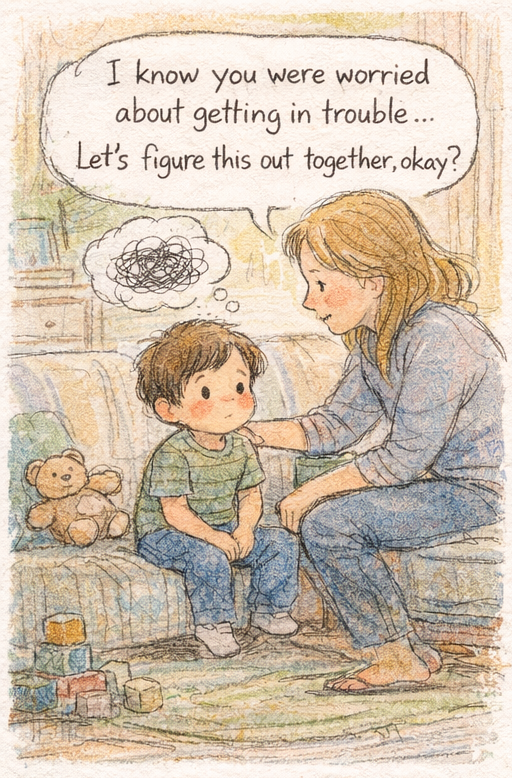
A child’s cognitive and emotional capacities evolve over time, and their reasons for lying can change accordingly. A 3-year-old might lie out of an innocent misunderstanding, while a 7-year-old may lie to test boundaries or seek attention. Taking the time to understand these motivations ensures that your response is appropriately tailored to their developmental needs.
5. Show Empathy
Empathy plays a crucial role in a child’s emotional regulation and moral development. According to research by Gottman (1997), parents who show empathy toward their children help them better understand and manage their own emotions, including guilt and remorse. Instead of simply reprimanding your child for the lie, acknowledge their feelings and offer validation for their experience. Phrases like, “I understand why you might have said that” or “It must have been difficult to tell the truth” convey that you recognize and empathize with their emotional state.
Empathy-based responses teach children that their feelings matter, and that honesty doesn’t have to come at the cost of emotional expression. This approach also promotes a deeper connection between parent and child, reinforcing trust and security.

6. End with Love and Reassurance
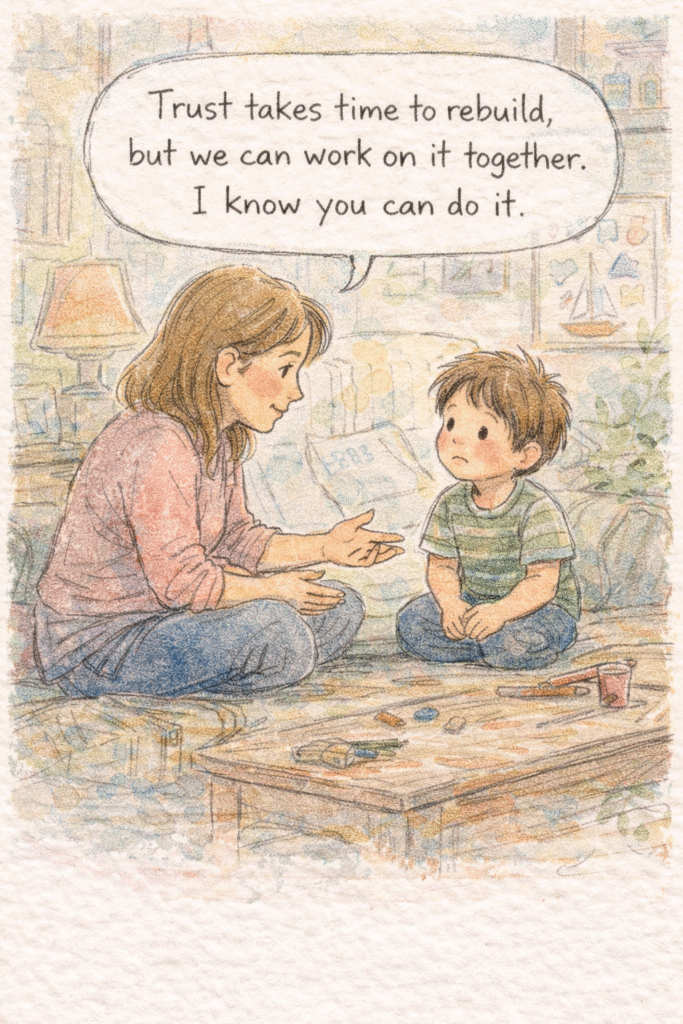
Once the discussion has been had, always reaffirm your love and support. Reassure your child that everyone makes mistakes, and emphasize that trust is something that can be rebuilt over time. This step is particularly important for reinforcing the attachment bond between parent and child, which acts as the foundation for emotional growth. Bowlby’s (1988) attachment theory suggests that secure attachment relationships are vital for the development of emotional regulation and moral reasoning, which are both critical for learning the value of honesty.
What Else Can Parents Do to Stop the Lying?
Dealing with lies can feel exhausting, especially when children don’t seem to absorb the lesson after just one conversation. It’s important to understand that children are still developing their moral and social understanding, and overcoming lying requires time, patience, and consistent guidance.
1. Watch Your Reactions: Stay Neutral and Calm
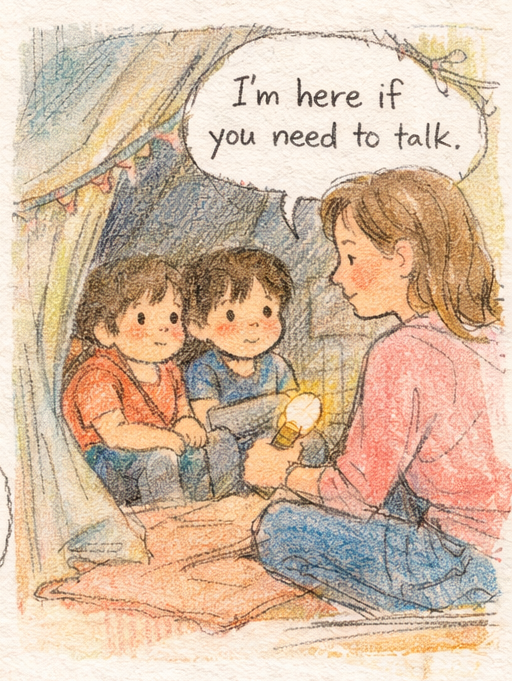
One of the most effective ways to curb lying is to maintain a calm and neutral demeanor when your child is caught in a lie. Emotional reactions, such as anger or frustration, can cause anxiety, which may actually make it harder for your child to learn the lesson. Emotional overreaction can lead children to focus more on their fear of punishment than on understanding why lying is wrong (Berk, 2013).
Instead, respond with neutrality and patience. Take a deep breath and resist the urge to jump to conclusions or punish immediately. This calm, composed reaction gives your child a chance to reflect on their actions without feeling overly defensive or fearful.
2. Reward Honesty: Reinforce Positive Behavior
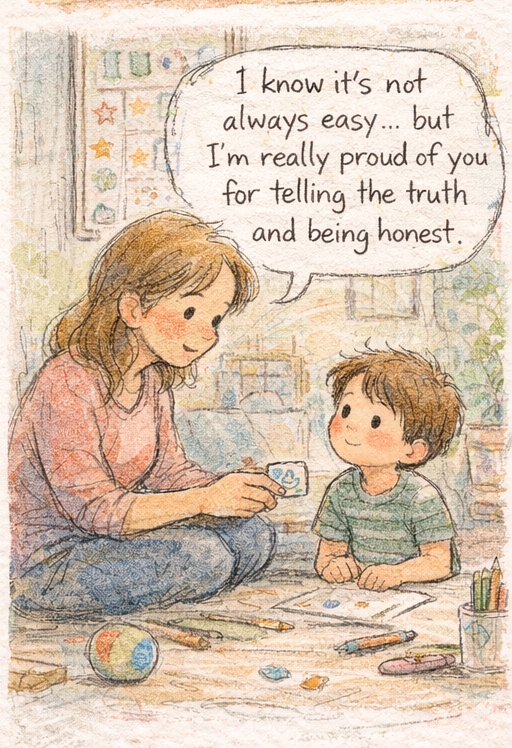
When your child tells the truth—especially when honesty requires courage—make sure to praise and reward them. Positive reinforcement is a powerful tool in child development. Research by Skinner (1953) emphasizes that rewarding desirable behaviour increases the likelihood that it will be repeated. By acknowledging when your child is honest, even if they are admitting to something they know might get them in trouble, you show them that telling the truth has positive consequences.
For example, if your child admits to something difficult, you might say, “I’m really proud of you for telling me the truth. That shows a lot of maturity.” This reinforces the behaviour you want to see, making it more likely they’ll be honest in the future.
3. Find Opportunities to Show Trust: Give Them More Responsibility
Children are more likely to lie when they feel their independence is restricted or when they perceive that their actions are under constant scrutiny. One way to foster honesty is by showing trust in your child. Allow them to have small freedoms and responsibilities that they can manage on their own. This may be as simple as letting them make decisions, like choosing a meal for themselves or managing their own homework schedule.
According to Erikson’s theory of psychosocial development (1963), children in the “industry versus inferiority” stage (ages 6-12) thrive when given opportunities to demonstrate competence. When you show your child that you trust them to handle responsibility, they are more likely to feel secure and act honestly because they don’t feel the need to hide their actions.
4. Set an Example: Be Honest Yourself
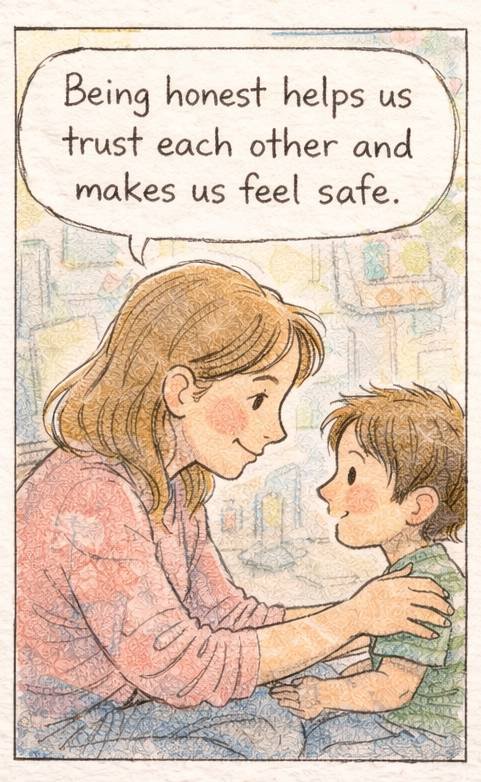
Children are keen observers, and they learn more from what we do than what we say. If parents regularly tell small lies—like telling a “white lie” to avoid hurting someone’s feelings or glossing over the truth in certain situations—children may come to see lying as acceptable behaviour when it’s “justified.”
Model honesty in your own behaviour. If you make a mistake, admit it. If you feel like telling a white lie, pause and consider the impact it might have on your child’s developing sense of honesty. This also means being transparent when discussing your own actions with your child. For instance, if you make a mistake, you might say, “I made a mistake today, and I need to be honest about it. It’s important to tell the truth, even when it’s hard.”
5. Talk About Honesty Regularly: Make it a Part of Daily Conversations
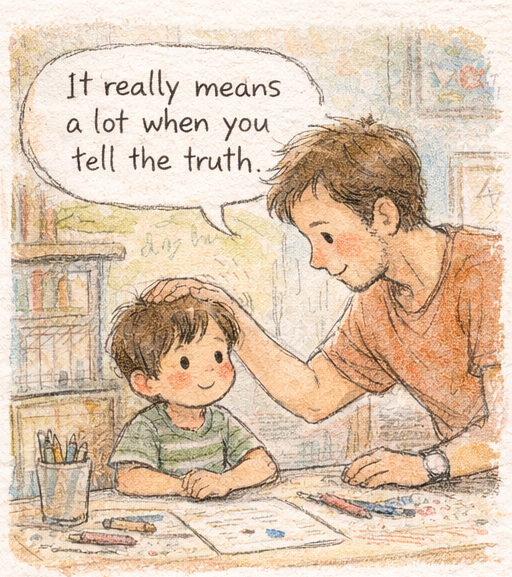
Don’t wait until your child is caught in a lie to discuss honesty. Incorporate conversations about honesty into your daily life. This could include talking about honesty when reading books or watching TV shows, or discussing the importance of truth-telling in a variety of contexts. Research in moral development (Kohlberg, 1969) suggests that regular discussions about ethics and values help children develop a stronger sense of right and wrong.
By making honesty a consistent part of your family’s conversations, you reinforce the idea that telling the truth is a core value.
6. Be a Safe Parent: Create a Judgment-Free Zone
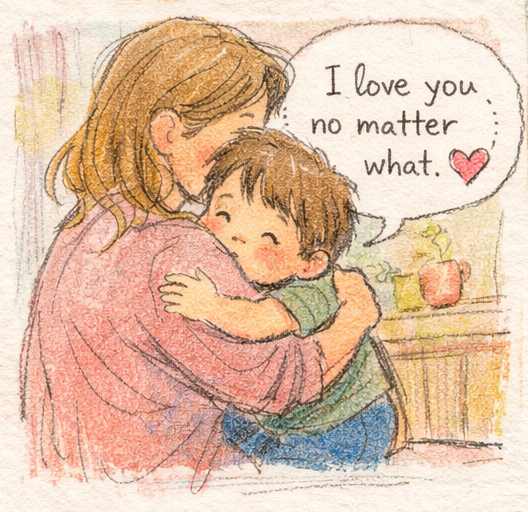
It’s essential that your child feels safe enough to admit mistakes and be honest without the fear of punishment. If children are too scared of how their parents will react, they may choose to lie to avoid negative consequences (Bowlby, 1988). This is particularly true if parents respond with anger or harsh punishment, as it can create a climate of fear rather than one of trust and learning.
Instead of reacting with judgment, provide a supportive and non-threatening environment. Let your child know that it’s okay to make mistakes, and that their honesty is what matters most. Remind them that they can always come to you with anything, and you will work together to find a solution. This promotes open communication and emotional security, helping your child feel safe enough to be truthful.
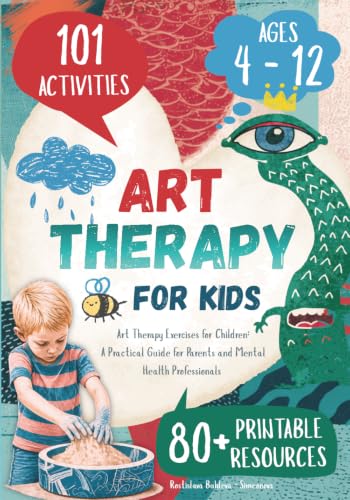
Some of the links on this blog are affiliate links, which means I may earn a commission if you make a purchase using the link. This comes at no additional cost to you. I only recommend products or services that I believe in and think will be valuable to my readers. I am also hoping you might consider purchasing my book 101 Art Therapy Exercises for Children: A Practical Guide for Parents and Mental Health Professionals. Thank you for supporting this blog!

Rostislava Buhleva-Simeonova is a psychologist, art therapist, and gamificator. She has worked with children, adults, and the elderly within various therapeutic programmes over the past eight years, all the while providing the much-needed playful twist that art and gamified experiences can bring to this sometimes uneasy setting. But it wasn’t until the birth of her daughter, Aurora, that this work took on an even deeper personal meaning. With her academic and real-life experience, honed through numerous trainings and sessions, she is currently authoring books and articles in the field of child psychology and development, offering expertise in art and play therapy to guide parents and caregivers, as well as professionals in the fields of social work and mental health, throughout various pivotal moments in children’s lives. Last but not least, all of her books have been “peer-reviewed” by her daughter, who testifies to the efficiency of these methods.