
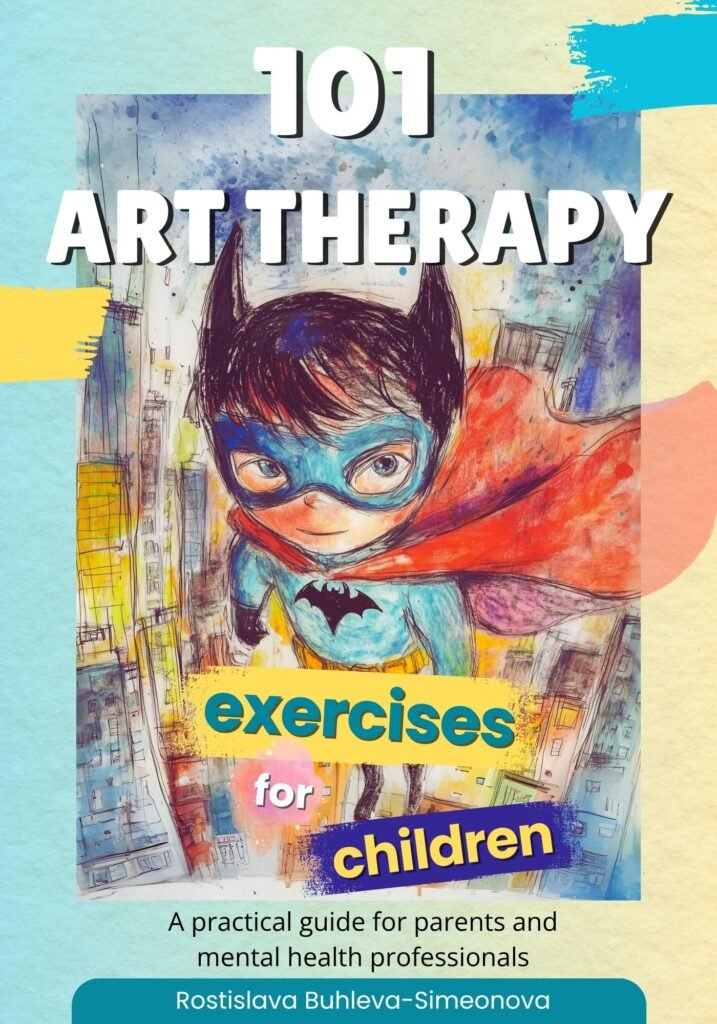
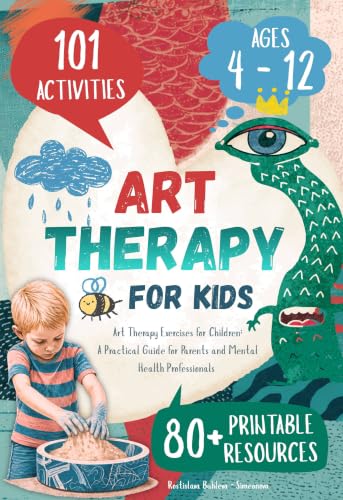
In an era where child development is increasingly influenced by global “epidemics”—shrinking opportunities for creativity and critical thinking, the dominance of digital interaction, and a widening emotional gap between children and caregivers—101 Art Therapy Exercises for Children emerges as both a timely and essential resource. Written by a certified art therapist and parenting expert, the book offers a thoughtful, evidence-based response to these modern challenges, delivering joyful, age-appropriate, and highly effective art therapy practices.
At its heart, the book acknowledges that children communicate less through words and more through play, images, symbols, and movement. As a well-established branch of play therapy, art therapy aligns seamlessly with children’s developmental needs. Activities such as drawing, painting, and sculpting are not merely creative pastimes—they represent children’s natural mode of expression. For those who struggle to articulate complex emotions like fear, grief, anger, or anxiety, art serves as a vital bridge between inner experience and outward communication.
What sets 101 Art Therapy Exercises for Children apart is its strong foundation in neuroscience and psychological research. Each activity is informed by validated studies showing how creative engagement influences brain physiology, enhances neural flexibility, and supports emotional regulation. Research demonstrates that art-making activates the right hemisphere of the brain, engages the limbic system, and supports the parasympathetic nervous system—helping to reduce stress while fostering focus, adaptability, and resilience. Rather than presenting theory in isolation, the book weaves this scientific grounding directly into practical, clearly structured sessions, ensuring that every activity is firmly rooted in evidence-based practice.
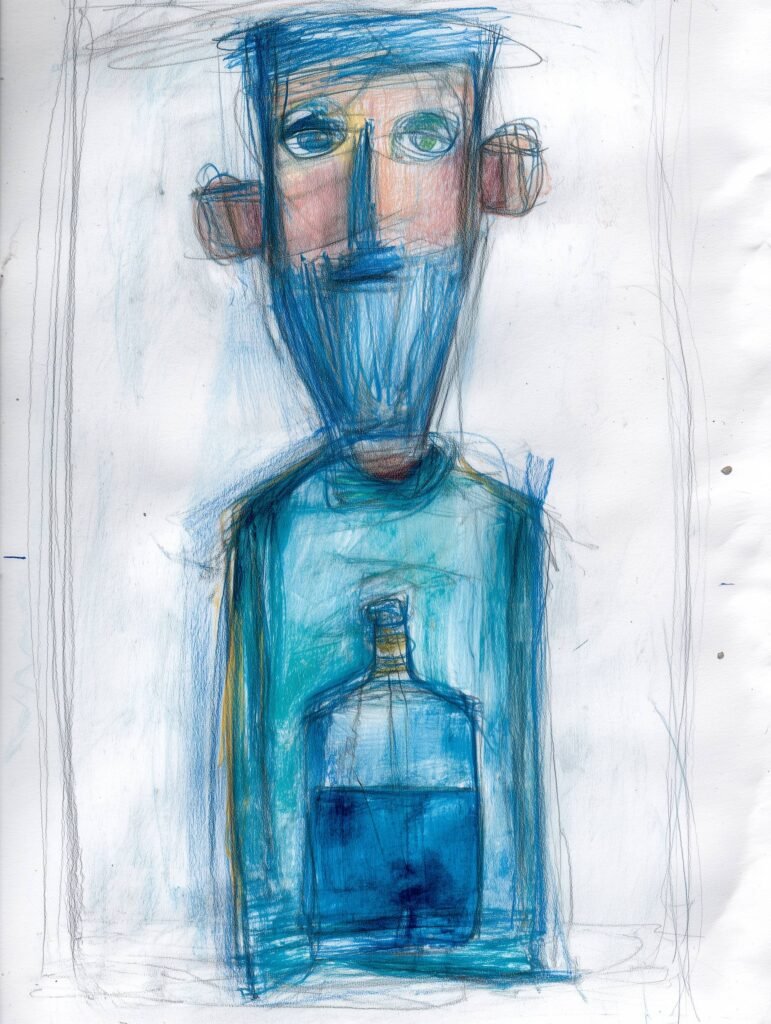
“A Genie from a Bottle”
The book serves a dual purpose, functioning as both a therapeutic toolkit and a preventative resource. Parents, caregivers, educators, counselors, and mental health professionals are offered gentle, non-intrusive ways to observe and understand a child’s emotional world over time. Too often, adult intervention occurs only after emotional or behavioral challenges have intensified. The activities in this collection promote a proactive approach to emotional support, while also providing subtle, meaningful insights into a child’s inner experience—without judgment, pressure, or diagnostic labeling.
In addition to emotional regulation, the book places strong emphasis on cognitive development, imagination, and critical thinking. Art-making enhances memory, attention, and problem-solving through rich, multisensory engagement. Children are invited to make choices, experiment, revise, and reflect—processes that directly support analytical thinking, flexibility, and adaptability. Imagination is framed not as an optional extra, but as a developmental essential: a space in which abstract thinking emerges, identity takes shape, and internal strengths are discovered.
The third foundational pillar of the book is relational connection. 101 Art Therapy Exercises for Children compellingly illustrates how shared creative experiences can deepen bonds between children and caregivers. Collaborative or parallel art-making fosters a safe relational environment where trust, emotional attunement, and open communication can grow. Research consistently demonstrates that joint creative activities strengthen attachment security, reduce conflict, and increase emotional awareness within families. This relational focus brings the book beyond a collection of activities, positioning it as a meaningful child-rearing guide—one that nurtures both the child and the relationship that supports them.
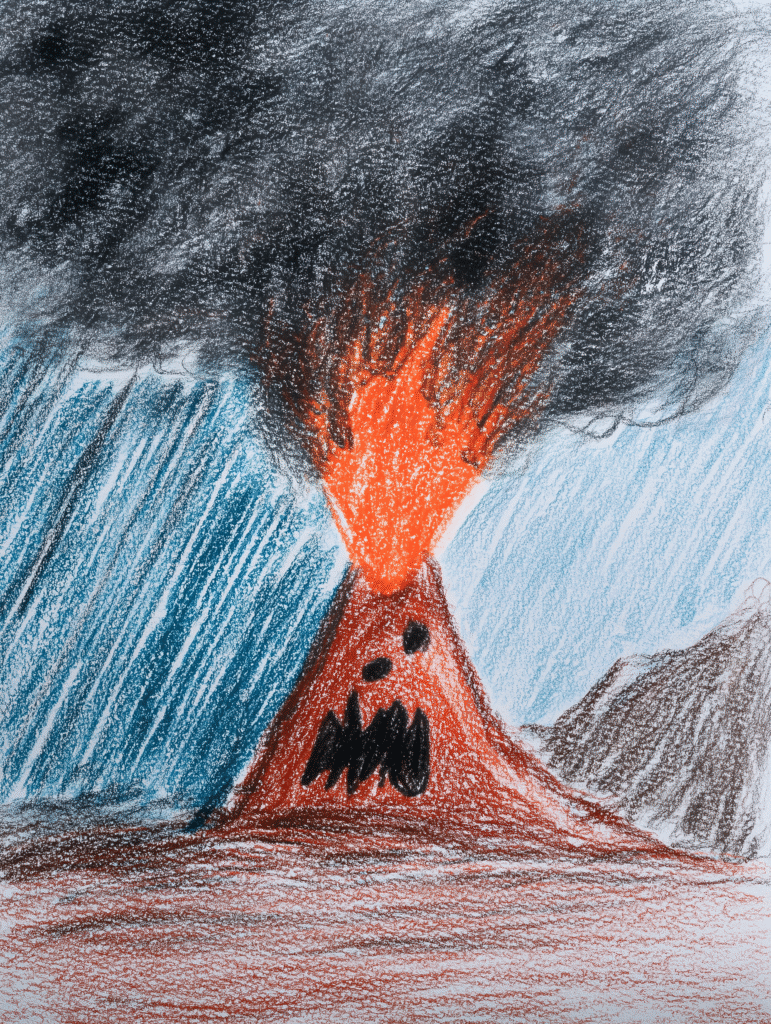
“Anger Volcano”
The book approaches interpretation with ethical care and clarity. While children’s artwork can offer meaningful emotional insights, caregivers are consistently reminded that they are not therapists and should never attempt to diagnose based on a child’s creative output. Instead, the book encourages curiosity, neutrality, and open-ended conversation, affirming that children are the ultimate authorities on the meaning of their work. Parents are guided to notice objective elements—such as size, placement, repetition, and intensity—while centering the child’s own narrative and emotional experience. When concerns do emerge, the book clearly emphasizes seeking professional support rather than relying on untrained interpretation.
Another key strength of the collection lies in its flexible, developmentally informed structure. Activities are organized by age ranges—4–6, 7–9, and 10–12—yet are intentionally designed to remain adaptable. Art therapy prompts are meant to grow alongside the child, allowing exercises to be revisited across developmental stages and to reveal new layers of insight as emotional and cognitive capacities mature. Many activities are also well suited for adults, inviting caregivers to participate alongside children. This shared creative process not only strengthens connection, but also reduces performance pressure, models emotional vulnerability, and fosters greater openness for both child and adult.

“Scribble Drawing”
Scribble Drawing
Purpose
The “Scribble Drawing” exercise sparks imagination and creative problem-solving by having children create a random scribble and then transform it into recognizable images. This activity draws on the work of art therapist Florence Cane, who used spontaneous mark-making to unlock creativity (Cane, 1951). It aligns with divergent thinking, a key component of creativity, where multiple solutions emerge from a single prompt (Guilford, 1967). For children it supports Erikson’s stage of initiative vs. guilt, encouraging purposeful exploration (Erikson, 1963). A 2018 study found that open-ended art tasks like scribble drawing increased creative thinking in children by 25%, as measured by originality scores (Davis et al., 2018). This warm-up fosters flexibility, imagination, and readiness for deeper art therapy by turning chaos into meaning.
Materials Needed
- White paper (8.5×11 inches)
- Crayons, markers, or colored pencils
Session Description
Introduction (1–2 minutes): Create a fun, curious vibe. Explain that they’ll make a big, wild scribble, then turn it into something cool, like animals, people, or objects. Say, “Your scribble is like a treasure map—what will you find?”
Scribbling (2–3 minutes): Hand out paper and a crayon or marker. Ask them to make a big, loopy scribble, moving their hand freely for 10–15 seconds. Then, invite them to look at the scribble and add details to turn it into something recognizable (e.g., eyes for a face, wings for a bird). Encourage multiple images if they see them. Stay engaged, saying, “What do you see in there?”
Reflection (2–3 minutes): Explore the drawing together. Ask, “What did you find in your scribble?” or “How did you decide what to make?” Celebrate their ideas. If they’re unsure, point out shapes (e.g., “This loop looks like a balloon!”) to spark discussion.
Closure (1 minute): Praise their imagination. Ask if they want to keep their scribble art or start the next task.
How it helps
- Sparking Creativity: Encourages children to find meaning in abstract forms, boosting imagination.
- Fostering Problem-Solving: Develops flexible thinking by transforming randomness into images.
- Building Confidence: Reinforces pride in creating something unique from a simple start.
- Overcoming Hesitation: Helps shy children dive into art with a low-pressure, playful task.
- Preparing for Exploration: Warms up the mind for open-ended art therapy activities.
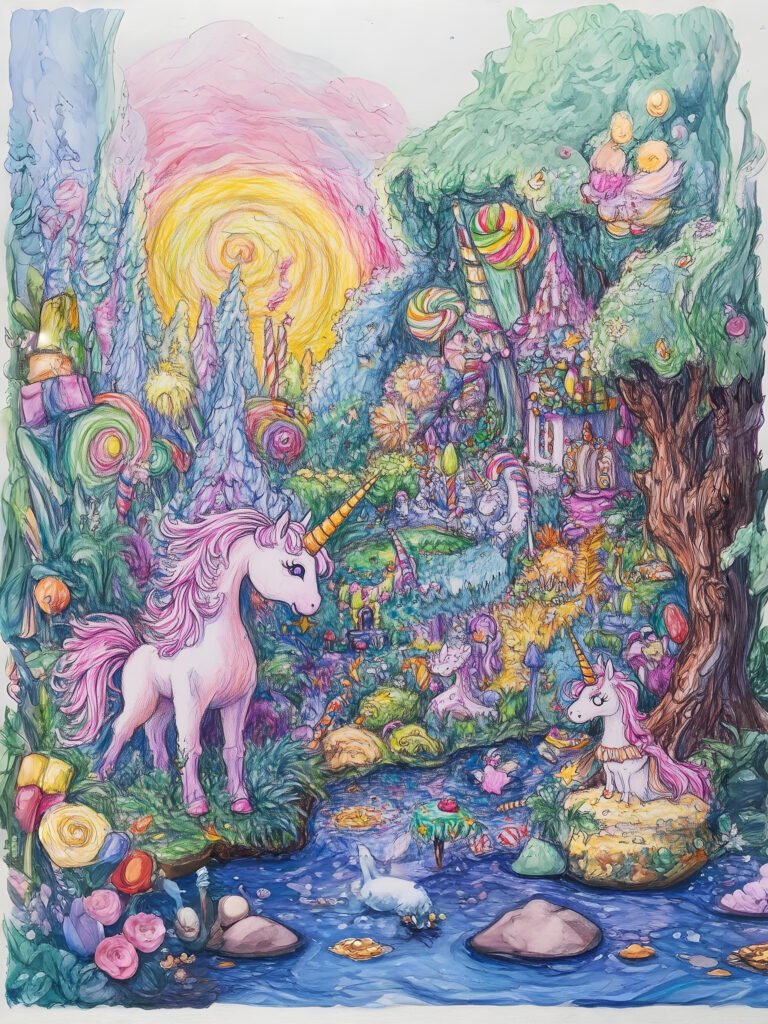
“Dream Garden Painting”
Purpose
The “Dream Garden Painting” session encourages children to express their hopes, imagination, and emotions by creating a colourful garden scene, fostering creativity and emotional exploration. This activity draws on the expressive art therapy approaches developed in the 1980s by pioneers like Natalie Rogers, who integrated person-centered principles with creative expression to promote self-discovery (Rogers, 1993). Psychologically, it aligns with positive psychology, which emphasizes the role of imagination and hope in building emotional resilience and well-being (Seligman, 2002). By painting a garden of their dreams, children can explore their desires and feelings in a safe, open-ended way, supporting Erikson’s stage of initiative vs. guilt, where children develop a sense of purpose through creative exploration (Erikson, 1963). Research supports its efficacy: a 2017 study found that open-ended art activities increased positive affect and self-expression in children ages 4–6 by 28%, as measured by caregiver reports (Martin et al., 2017). A 2019 study further showed that imaginative art tasks enhanced emotional regulation and reduced anxiety in preschoolers by fostering a sense of agency (Taylor & Brown, 2019). This session empowers children to externalize their inner world, strengthening their confidence and emotional flexibility.
Materials Needed
- White paper (8.5×11 inches or larger)
- Crayons, markers, coloured pencils and watercolours
- Paintbrushes and sponges
- Optional: Stickers, glitter, or small collage items (e.g., paper flowers)
Session Description
Introduction (5–7 minutes): Begin by asking, “If you could grow a magical garden, what would it look like?” Share an example to spark imagination (e.g., “I’d have trees with candy apples and a stream of chocolate!”). Explain that they’ll paint a dream garden with anything they want—real or imaginary plants, animals, or objects. Emphasize that there are no rules, and they can use any colors or shapes. Show the paper and paints, describing how they can use brushes or sponges to make their garden come alive.
Painting the Garden (15-30 minutes): Set out the paper and materials and invite them to start painting their garden, suggesting they include things like flowers, trees, animals, or even magical elements like a rainbow bush or a star-shaped pond. Offer prompts if needed (e.g., “What grows in your garden? Are there animals or special places?”). If they want, add stickers or glitter for extra sparkle. Stay engaged, praising their ideas. If they hesitate, paint a small flower on scrap paper to inspire them without directing their work. Keep the mood playful, encouraging messiness as part of the fun.
Reflection (5–7 minutes): Sit with the finished painting and explore it together. Ask open-ended questions like, “Can you tell me about your garden?” “What’s your favorite part?” or “How does it feel to be in this garden?” Listen attentively, reflecting their excitement or curiosity. If they share feelings, like wanting a real pet in their garden, validate them. Explore the emotions in the painting, asking, “Does any part show how you feel today?” Discuss how their garden can be a place to imagine happy things whenever they want.
Closure (3–5 minutes): Celebrate their creation, saying, “Your dream garden is so beautiful and full of amazing things!” Ask if there is anything they would like to change. Suggest they visit their garden in their imagination when they need a cheerful place. Offer to display the painting in their room or keep it in a special folder to revisit. End with a fun moment, like pretending to “walk” through the garden together, describing what you see (e.g., “I’m jumping over your rainbow stream!”), to reinforce the connection.
Pivotal Moments
- Developing Imagination: Supports the growth of creative thinking and fantasy play, key at ages 4–6.
- Expressing Hopes and Dreams: Encourages children to articulate aspirations, like having a pet.
- Coping with Disappointment: Provides a positive outlet for processing setbacks.
- Building Confidence: Reinforces self-esteem as children create a unique, imaginative artwork.
- Adjusting to New Environments: Helps children imagine positive spaces during transitions, like starting school.
- Managing Anxiety: Offers a calming, hopeful activity for children feeling nervous about upcoming changes.
Conclusion
101 Art Therapy Exercises for Children weaves together science, creativity, and relational wisdom to offer a practical yet deeply compassionate approach to supporting children’s emotional, cognitive, and social development. Grounded in evidence-based art therapy and developmental psychology, the exercises honour children’s natural modes of communication—images, symbols, movement, and play—while equipping caregivers with gentle, non-intrusive tools to support emotional expression and growth.
Throughout the book, art is framed not as a product to be evaluated, but as a process through which children develop self-regulation, confidence, imagination, and resilience. The activities nurture critical thinking, emotional awareness, and flexibility, while remaining responsive to each child’s developmental stage, temperament, and lived experience. Through repetition, openness, and creative freedom, meaning is allowed to emerge gradually, ensuring that each session remains relevant to the child’s evolving inner world.
Equally central is the book’s emphasis on connection. By inviting parents and caregivers to engage alongside children, the exercises cultivate trust, emotional attunement, and meaningful communication. Shared art-making creates a safe space for emotions to surface, strengthens relational bonds, and helps ensure that unspoken struggles do not go unnoticed.

Rostislava Buhleva-Simeonova is a psychologist, art therapist, and gamificator. She has worked with children, adults, and the elderly within various therapeutic programmes over the past eight years, all the while providing the much-needed playful twist that art and gamified experiences can bring to this sometimes uneasy setting. But it wasn’t until the birth of her daughter, Aurora, that this work took on an even deeper personal meaning. With her academic and real-life experience, honed through numerous trainings and sessions, she is currently authoring books and articles in the field of child psychology and development, offering expertise in art and play therapy to guide parents and caregivers, as well as professionals in the fields of social work and mental health, throughout various pivotal moments in children’s lives. Last but not least, all of her books have been “peer-reviewed” by her daughter, who testifies to the efficiency of these methods.