
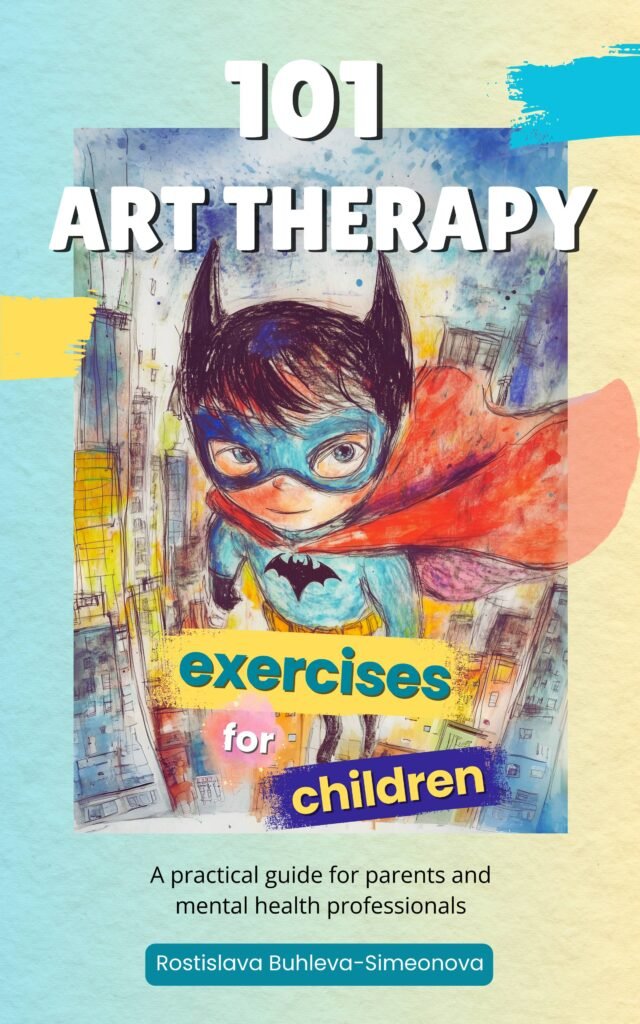
In an era where child development is increasingly shaped by global challenges, creative therapeutic approaches are more critical than ever. Diminished opportunities for free expression, the dominance of digital engagement, and growing emotional disconnect between children and caregivers present significant hurdles. The book 101 Art Therapy Exercises for Children responds thoughtfully to these modern challenges through structured, age-appropriate creative practices. Introducing a targeted art therapy worksheet for kids can provide a safe framework for young ones to process intense thoughts and feelings that words simply cannot capture.
At its core, this approach recognizes that children do not primarily communicate through verbal language. Instead, they naturally express their inner worlds through play, symbols, images, and physical movement. Drawing, painting, and sculpting therefore function as a child’s native language. For children who struggle to verbalize complex emotions such as fear, grief, anger, or anxiety, creative art offers an essential bridge between inner experiences and external expression.
Neuroscientific Foundations
One of the defining strengths of this methodology lies in its solid grounding in psychological and neuroscientific research. Within the framework of child art therapy, active creative engagement has been shown to influence brain physiology in deeply meaningful ways. Specifically, studies suggest that art-making activates the right hemisphere of the brain, directly engages the limbic system, and effectively stimulates the parasympathetic nervous system.
As a result, systematic creative expression can significantly reduce stress while strengthening emotional regulation and neural flexibility. At the same time, these positive neurological processes support attention, resilience, and adaptive thinking patterns. Crucially, the research is never presented in abstract terms alone. Instead, each activity is thoughtfully connected to distinct therapeutic goals, ensuring that daily practice is consistently informed by empirical evidence.
In this way, scientific insight becomes directly applicable to everyday caregiving and educational settings. For instance, implementing an intentional art therapy worksheet for kids serves as a practical, brain-based tool. Ultimately, this exercise helps children visually externalize, organize, and manage their complex internal cognitive states.
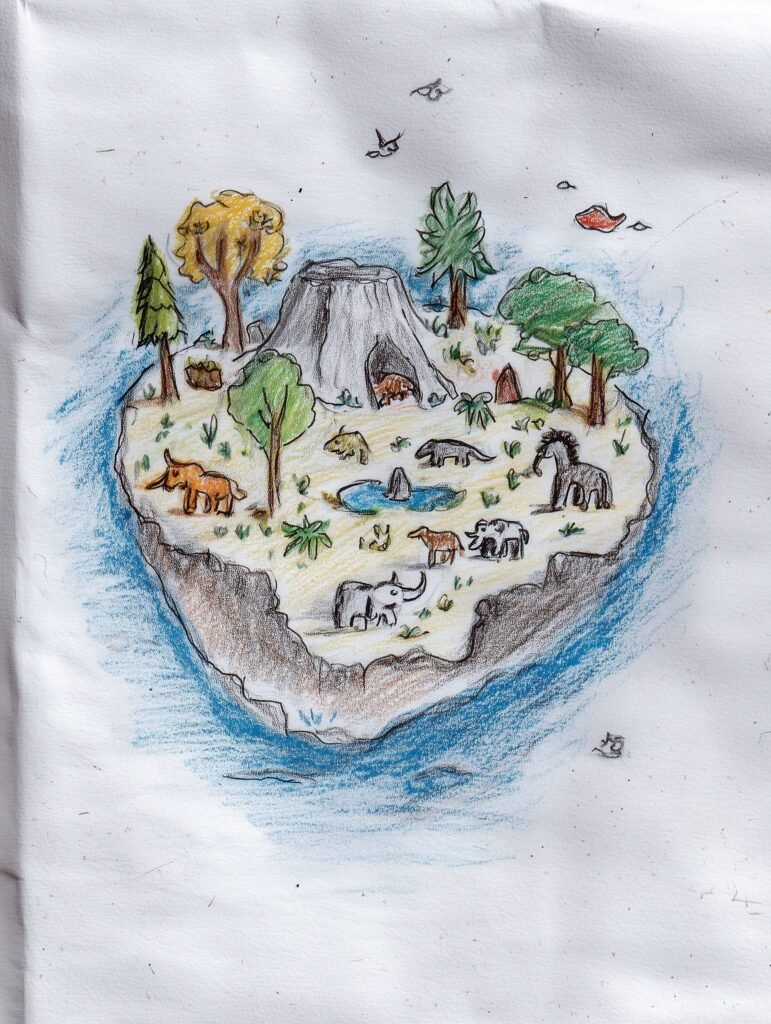
“My Own Island”
A Preventative and Observational Tool for Caregivers
Beyond immediate emotional expression, child art therapy functions as a gentle, non-intrusive observational tool for parents, educators, and mental health professionals. The exercises actively encourage adults to engage with children’s creative processes in a highly supportive manner. Too often, adults are forced to intervene only after emotional or behavioral difficulties become visible. However, structured creative activities provide an excellent preventative framework for understanding children’s experiences much earlier.
Through repeated engagement with creative materials, underlying patterns of emotion, imagination, and coping strategies may gradually become visible to observers. Furthermore, when a child appears overwhelmed by an influx of internal thoughts, initiating a calming activity via a dedicated art therapy worksheet for kids allows them to safely deconstruct those intense mental processes.
Equally important, interpretation must always be approached with extreme caution and ethical clarity. While artwork can offer valuable emotional clues, caregivers are strongly reminded that they are not trained therapists and should never diagnose based on drawings alone. Instead, adults are encouraged to remain curious and completely neutral, allowing children to explain the unique meanings within their own creations.
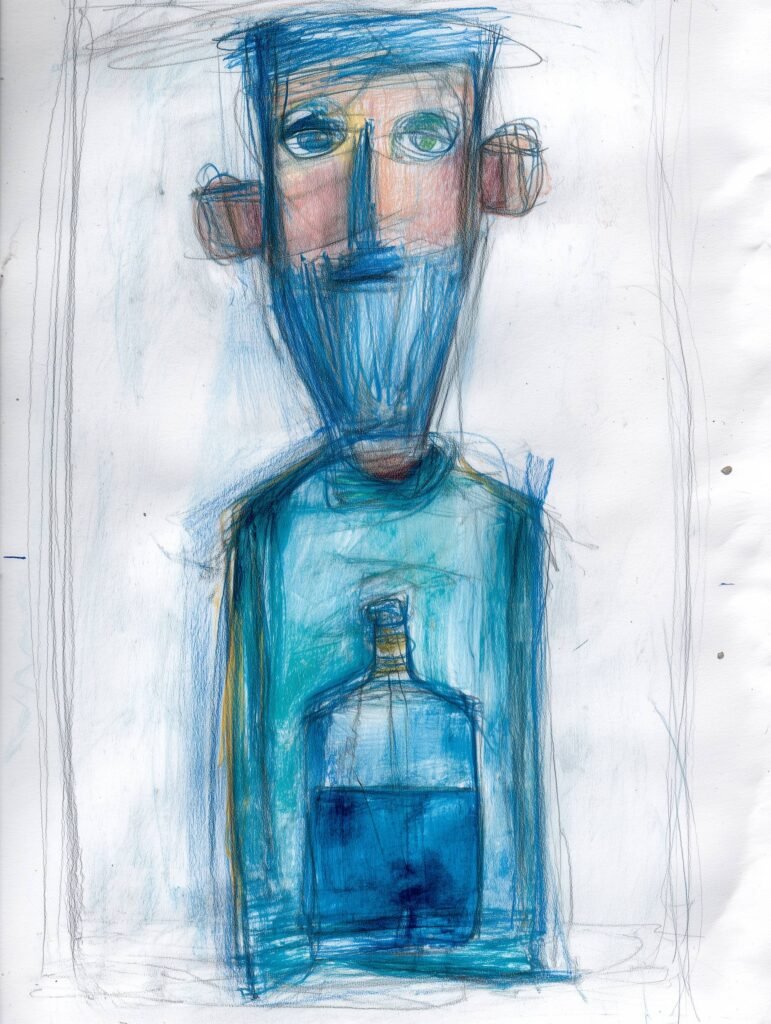
“A Genie from a Bottle”
Cognition and Developmental Power
Another central theme of this approach is the powerful relationship between creativity and cognitive development. Within child art therapy, imagination is never treated as a luxury, but rather as an essential developmental capacity. Art-making actively encourages children to experiment, revise ideas, and reflect deeply on their choices. Consequently, these processes strengthen problem-solving abilities, focus, and memory through multisensory engagement.
Children learn to explore diverse possibilities, tolerate creative uncertainty, and adapt their thinking as their creations evolve. Through this fluid process, imagination becomes a developmental laboratory where identity, creativity, and resilience can gradually emerge. Using a structured art therapy worksheet for kids helps children cognitively map out their internal mental states, successfully turning abstract thoughts into tangible, manageable concepts.
Relational Connection
Perhaps one of the most meaningful contributions of child art therapy lies in its capacity to strengthen relationships between children and caregivers. Shared creative activities create a calm relational space in which trust, emotional attunement, and open communication can develop naturally. Research consistently demonstrates that collaborative creative experiences can increase attachment security while reducing conflict within families.
When adults participate in art-making alongside children, the activity becomes less about instruction and much more about mutual connection. This shared engagement is strongly encouraged, and many exercises are designed for collaborative participation, allowing caregivers to explore creativity alongside the child. Through these moments of joint exploration, children often feel safer expressing thoughts and emotions that might otherwise remain hidden.
Transforming Big Feelings Through Evolving Stages
The structure of these interventions reflects a careful awareness of developmental stages. Activities are organized into distinct age groups—4–6, 7–9, and 10–12—ensuring that child art therapy exercises remain appropriate for children’s evolving emotional and cognitive capacities. At the same time, the exercises remain intentionally flexible. Many activities can be repeated across developmental stages, often revealing completely new insights as children mature.
This evolving process allows caregivers to observe changes in emotional awareness, imagination, and self-expression over time. Equally important, several exercises can be adapted for group settings or shared family activities. It offers a thoughtful and compassionate guide for supporting children’s emotional development, relational security, and imaginative growth through the enduring language of art.
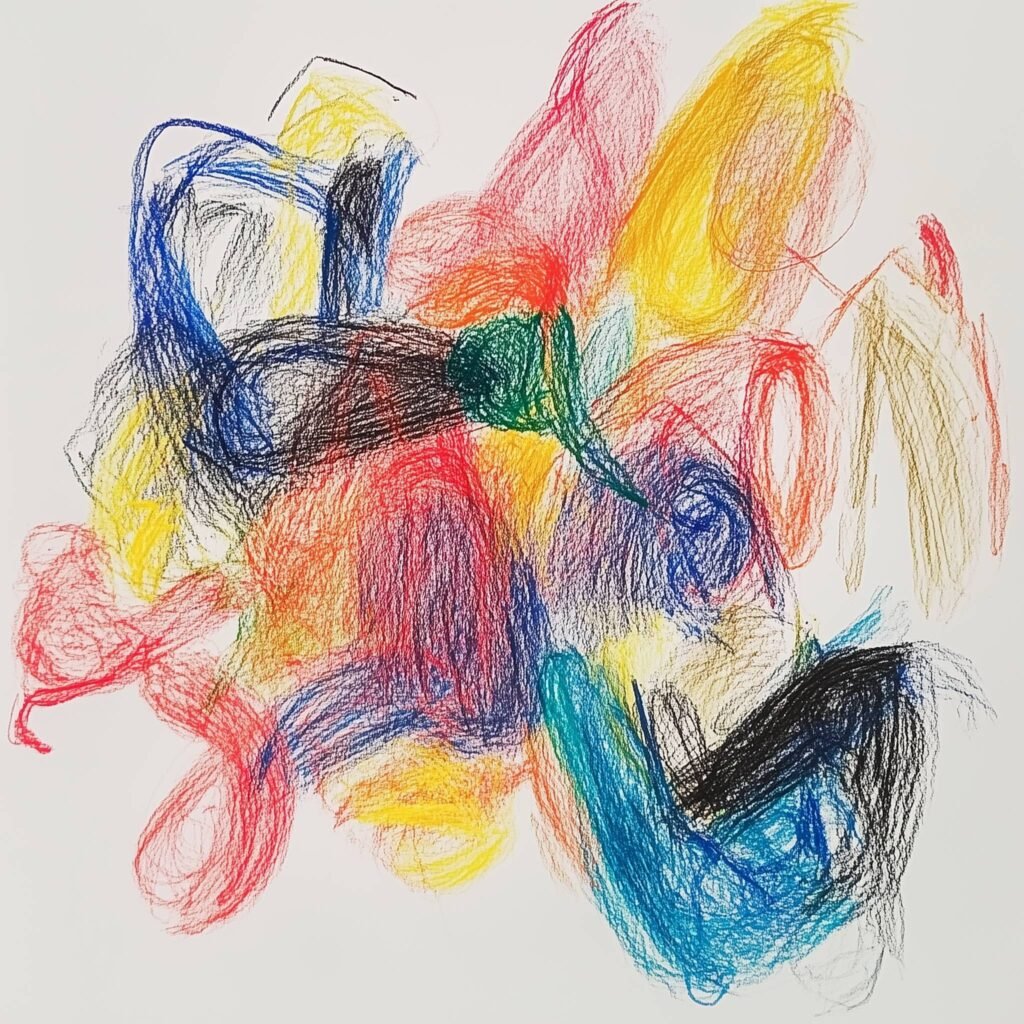
“Scribble Drawing”
Scribble Drawing: A Powerful Warm-up Exercise
Purpose
The “Scribble Drawing” exercise sparks imagination and creative problem-solving by having children create a random scribble and then transform it into recognizable images. This activity draws on the work of art therapist Florence Cane, who used spontaneous mark-making to unlock creativity. It aligns with divergent thinking, a key component of creativity, where multiple solutions emerge from a single prompt.
For children, it supports Erikson’s stage of initiative vs. guilt, encouraging purposeful exploration. A study found that open-ended art tasks like scribble drawing increased creative thinking in children by 25%, as measured by originality scores. This warm-up fosters flexibility, imagination, and readiness for a deeper art therapy worksheet for kids.
Materials Needed
- White paper (8.5×11 inches)
- Crayons, markers, or colored pencils
Session Description
Introduction (1–2 minutes): Create a fun, curious vibe. Explain that they’ll make a big, wild scribble, then turn it into something cool, like animals, people, or objects.
Scribbling (2–3 minutes): Hand out paper and a crayon or marker. Ask them to make a big, loopy scribble, moving their hand freely for 10–15 seconds. Then, invite them to look at the scribble and add details to turn it into something recognizable. Encourage multiple images if they see them.
Reflection (2–3 minutes): Explore the drawing together. Ask open-ended questions like, “What did you find in your scribble?” to celebrate their unique ideas.
Closure (1 minute): Praise their imagination. Ask if they want to keep their scribble art or transition to the core art therapy worksheet for kids.
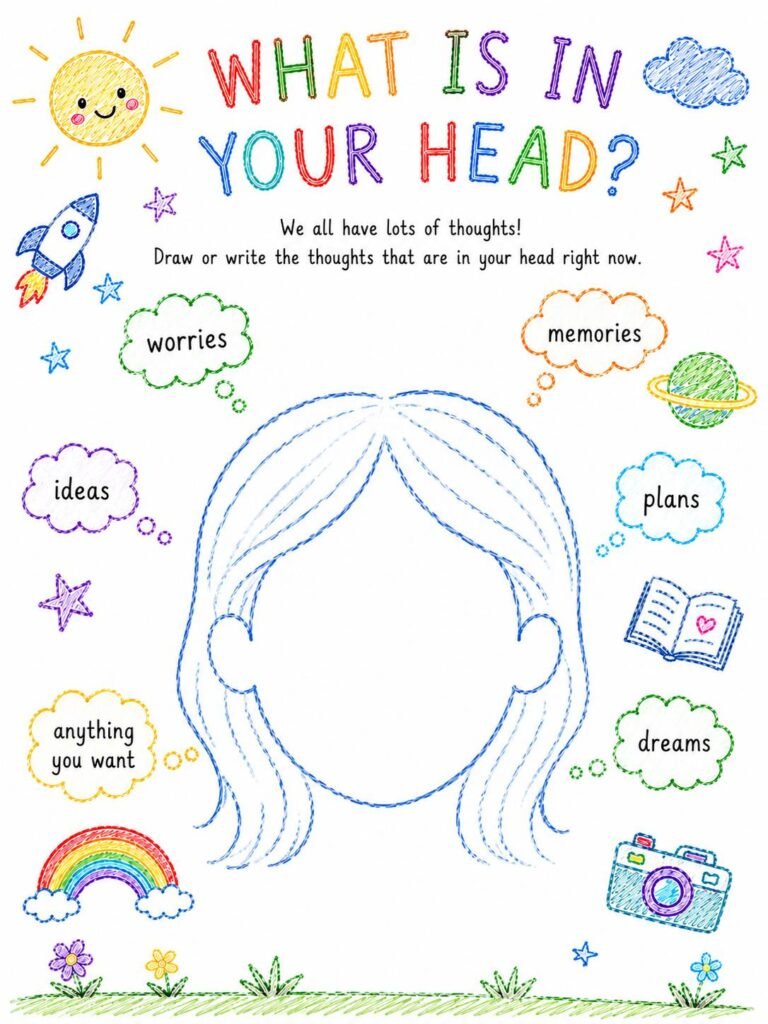
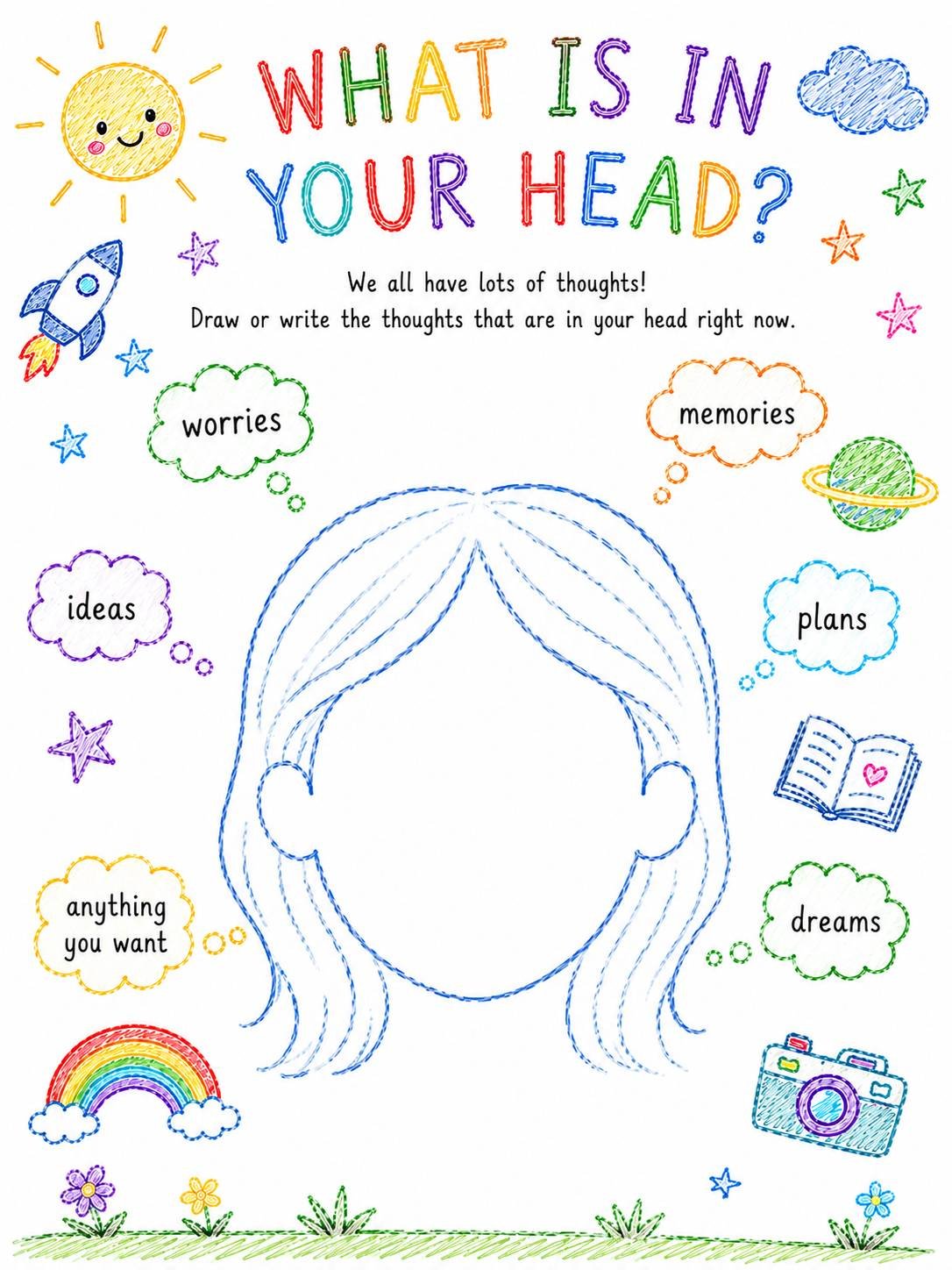
“What is in Your Head Art Therapy Worksheet for Girls”
Core Exercise: What is in Your Head Art Therapy Activity (for Girls)
Purpose
The main therapeutic intervention utilizes the What is in Your Head Art Therapy Worksheet for Girls to help children visually externalize and organize their internal thoughts. By mapping out abstract mental states onto a friendly, structured outline, girls learn to separate their complex inner experiences into manageable categories like worries, ideas, plans, and memories. Consequently, this creative process gives children a tangible sense of control over their emotional landscape and reduces cognitive overwhelm.
Materials Needed :
- Printed What is in Your Head Art Therapy Worksheet for Girls
- Colored pencils, fine-tip markers, or gel pens
Session Description
Introduction (2–3 minutes): Create a supportive and inviting environment. Share the worksheet containing the central girl’s head surrounded by colorful thought clouds. Explain that our brains can sometimes feel crowded, and today we get to create a personal mind map. Read the written prompt aloud together: “We all have lots of thoughts! Draw or write the thoughts that are in your head right now.” Point out the playful visual anchors on the page—like the rainbow, paintbrush, and book—to show her that everything has a home here.
Creative Expression (10–15 minutes): Encourage the child to explore the page and fill the central head outline using words, symbols, or drawings. Invite her to use the color-coded prompt clouds for inspiration, noting they can choose any color for worries, memories, ideas, plans, dreams, and anything she wants. Allow her to work at her own pace while you remain quietly attentive.
Reflection & Closure (6–8 minutes): Explore the finished drawing together by asking gentle, open-ended questions like, “Which cloud felt the biggest to map out today?” Celebrate her unique ideas and remain neutral, allowing her to explain the symbols in her own words. Finally, praise her imagination and offer a sense of emotional containment by reminding her that the paper is now safely holding these thoughts so her head can enjoy a little extra quiet space.
The Lasting Value of Creative Interventions
In summary, 101 Art Therapy Exercises for Children successfully brings together scientific insight, creative exploration, and relational wisdom to present a thoughtful approach to supporting children’s emotional, cognitive, and social development. At the heart of this framework is child art therapy, which recognizes that children communicate most naturally through images, symbols, movement, and play. By combining principles from developmental psychology and evidence-based art therapy, utilizing an art therapy worksheet for kids provides caregivers with a gentle, non-intrusive way to support emotional growth.
Disclaimer
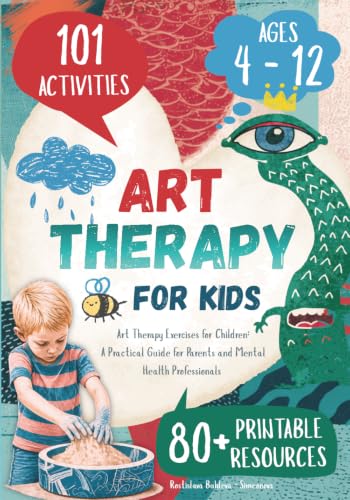
Some of the links on this blog are affiliate links, which means I may earn a commission if you make a purchase using the link. This comes at no additional cost to you. I only recommend products or services that I believe in and think will be valuable to my readers. I am also hoping you might consider purchasing my book 101 Art Therapy Exercises for Children: A Practical Guide for Parents and Mental Health Professionals. Please, bear in mind that THE BOOK DOES NOT CONTAIN ANY WORKSHEETS, but a set of activities and step-by-step guidance on how to perform them freehand or using simple and accessible tools. If you require a worksheet design for a particular exercises, please, contact me at contact@earlypages.com. Thank you for supporting this blog!

Rostislava Buhleva-Simeonova is a psychologist, art therapist, and gamificator. She has worked with children, adults, and the elderly within various therapeutic programmes over the past eight years, all the while providing the much-needed playful twist that art and gamified experiences can bring to this sometimes uneasy setting. But it wasn’t until the birth of her daughter, Aurora, that this work took on an even deeper personal meaning. With her academic and real-life experience, honed through numerous trainings and sessions, she is currently authoring books and articles in the field of child psychology and development, offering expertise in art and play therapy to guide parents and caregivers, as well as professionals in the fields of social work and mental health, throughout various pivotal moments in children’s lives. Last but not least, all of her books have been “peer-reviewed” by her daughter, who testifies to the efficiency of these methods.