
Latest posts
-
Anger Issues in Children: 10 Play Therapy Interventions
In play therapy, anger is treated as a messenger with something important to say and anger issues in children as energy that can be channelled safely. Understanding anger as a signal rather than a problem to eliminate is central to anger management therapy for children. Classical developmental theory emphasizes that play is the child’s primary…
-
Inconsistent Sleep in Babies and Toddlers: Why It Matters and How to Gently Restore Balance
Sleep is not simply a period of rest for babies and toddlers—it is a fundamental biological process that supports brain development, emotional regulation, physical growth, and learning. When sleep becomes inconsistent or fragmented, the effects can be felt far beyond nighttime. Irregular sleep patterns can influence a child’s mood, attention, behaviour, and ability to regulate…
-
Growing Little Voices: Speech Milestones and Playful Activities from Birth to Age 5
Introduction Every child’s journey into language is a unique adventure, shaped by their environment, experiences, and innate abilities. While developmental milestones provide helpful benchmarks, it’s crucial to remember that these timeframes are relative—children don’t follow a strict calendar. One child might babble enthusiastically at 6 months, while another takes a bit longer to coo in…
-
The Evolution of Child Development Theories: A Retrospective on Psychology’s Journey
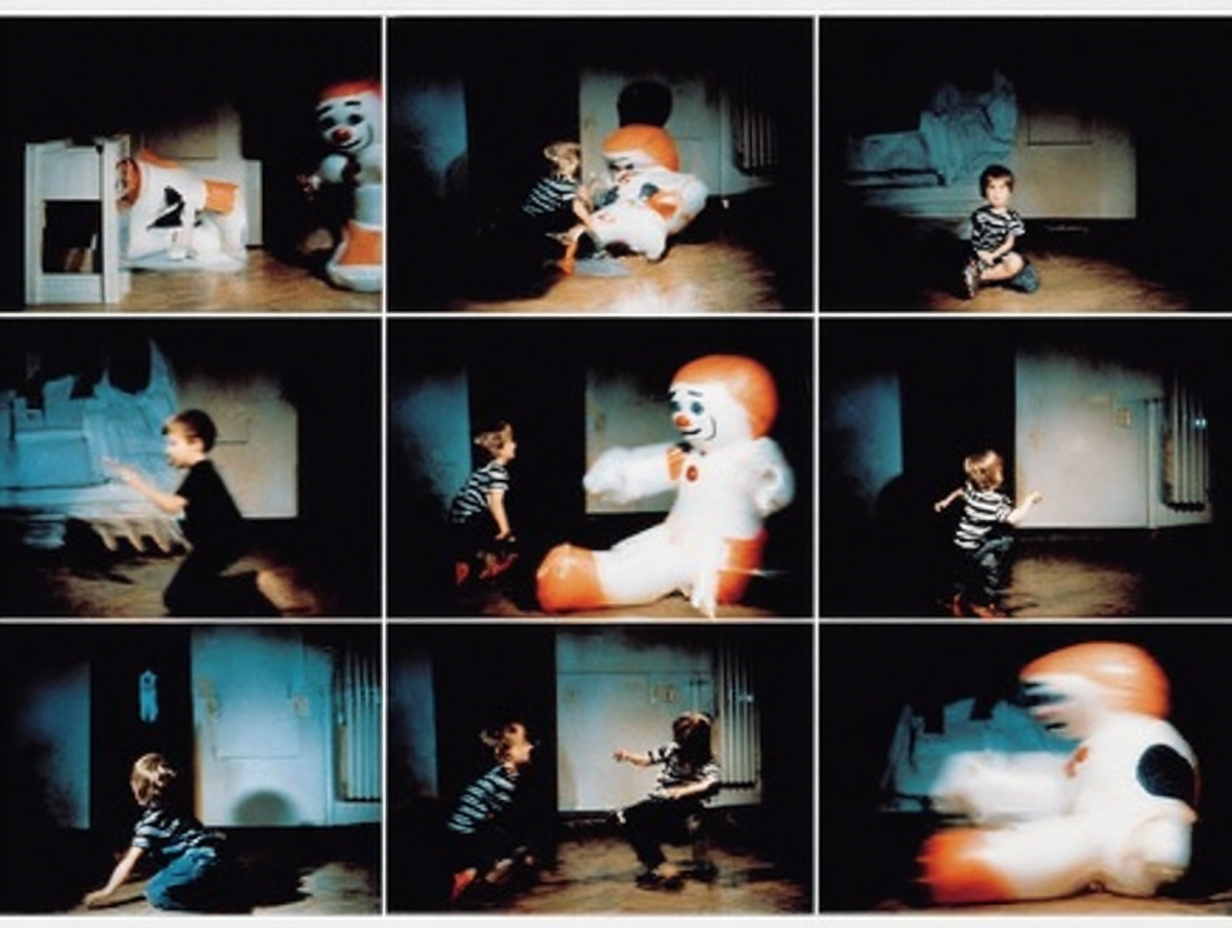
Introduction to Child Development Theories Child development theories are crucial frameworks that help in understanding the psychological growth and developmental milestones of children. These theories encompass a wide range of perspectives, encompassing biological, cognitive, emotional, and social aspects of growth. As children undergo various stages of development, these theories assist psychologists, educators, and parents in…