
Why Play Is Central to Child Development, Healing, and Parenting
Play therapy did not emerge in isolation. It is rooted in more than a century of psychological theory, clinical observation, and developmental research. Across psychoanalysis, cognitive psychology, attachment theory, behaviourism, and social learning theory, play has consistently been recognised as the child’s most natural form of communication and growth. What unites these seemingly different schools of thought is the understanding that play is essential for emotional regulation, learning, identity formation, and relational security.
The following sections explore how key classical psychologists laid the foundations for play therapy as both a therapeutic intervention and a fundamental element of healthy child development and parenting.
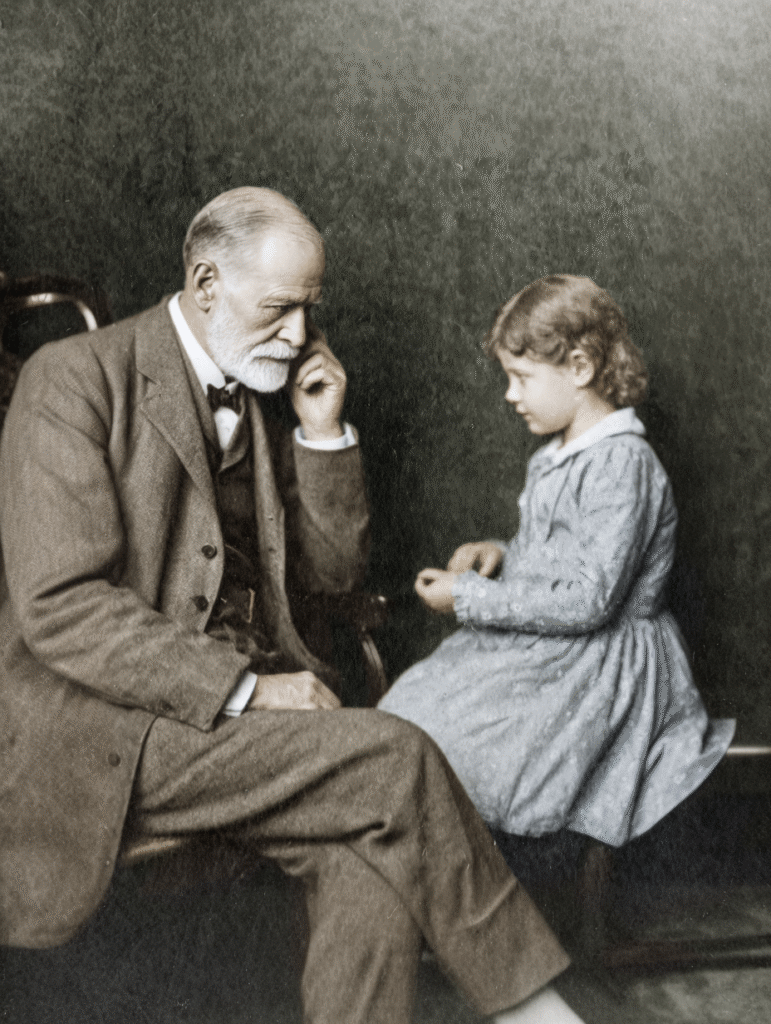
Sigmund Freud: Play as Mastery, Repetition, and Emotional Processing
Sigmund Freud was among the first to recognise that children actively process emotional experiences through play. Although his primary work focused on adults, his observations of children—particularly the famous fort/da game—revealed that play serves a crucial psychological function. In this game, Freud observed a child repeatedly throwing a toy away (“fort,” gone) and retrieving it (“da,” there), symbolically reenacting experiences of separation and return. Freud interpreted this behaviour as the child’s attempt to gain mastery over anxiety and loss.
This insight became foundational to play therapy. Freud demonstrated that children do not passively experience emotional events; they actively work through them using symbolic repetition. Play allows children to transform passive, overwhelming experiences into active, manageable ones. In therapeutic contexts, this means that recurring play themes—such as danger, rescue, control, or abandonment—are not random but meaningful expressions of emotional conflicts. Freud’s work established the principle that play is not trivial amusement but a serious psychological process through which children attempt to resolve inner tension.
Anna Freud: Play, Ego Development, and Emotional Adaptation
Anna Freud extended psychoanalytic thinking by placing the child’s ego development at the centre of therapeutic work. Unlike her father, she viewed play less as a direct window into unconscious conflict and more as a tool for understanding how children adapt to reality, manage impulses, and develop coping mechanisms. She emphasised that children are still forming their psychological structures and therefore require support, guidance, and safety rather than deep interpretive analysis.
Anna Freud believed play therapy should strengthen the child’s emotional resilience, self-regulation, and problem-solving abilities. She stressed the importance of considering developmental stage, environmental stressors, and family context when working with children. Her approach laid the groundwork for modern integrative play therapy, where emotional expression, relational safety, and skill-building coexist. For parents, her work reinforces the idea that play is essential for helping children develop emotional control and confidence, particularly during times of stress or transition.
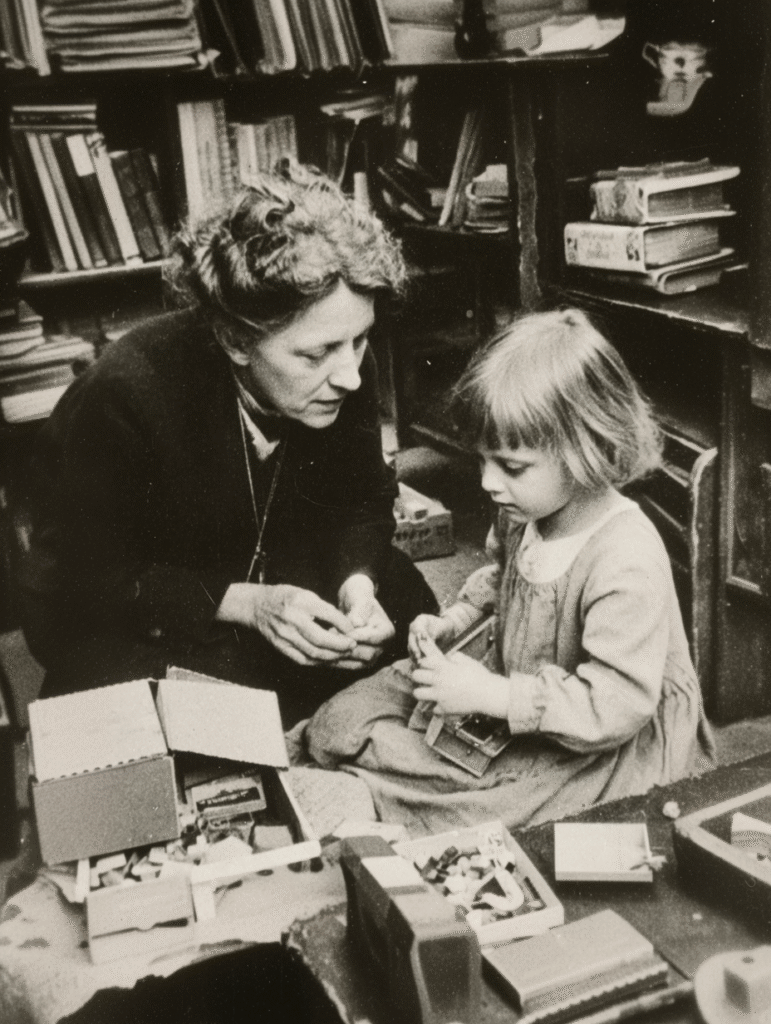
Melanie Klein: Play as Direct Access to the Unconscious
Melanie Klein fundamentally transformed child psychotherapy by asserting that play is the child’s equivalent of free association in adults. She believed that children’s play reveals unconscious fantasies, internal conflicts, and early object relationships without the need for developmental delay or simplification. In Klein’s view, toys function symbolically, representing internal emotional figures such as caregivers, fears, and desires.
Klein observed that children naturally express aggression, anxiety, guilt, and love through play scenarios. Rather than shielding children from these expressions, she argued that acknowledging and interpreting them was essential for psychological growth. Her work strongly influenced psychodynamic and relational play therapy approaches, particularly in work with trauma and attachment disruptions. Klein’s contribution solidified play therapy as a legitimate analytic method and reinforced the idea that children possess rich inner emotional lives that deserve serious attention and respect.
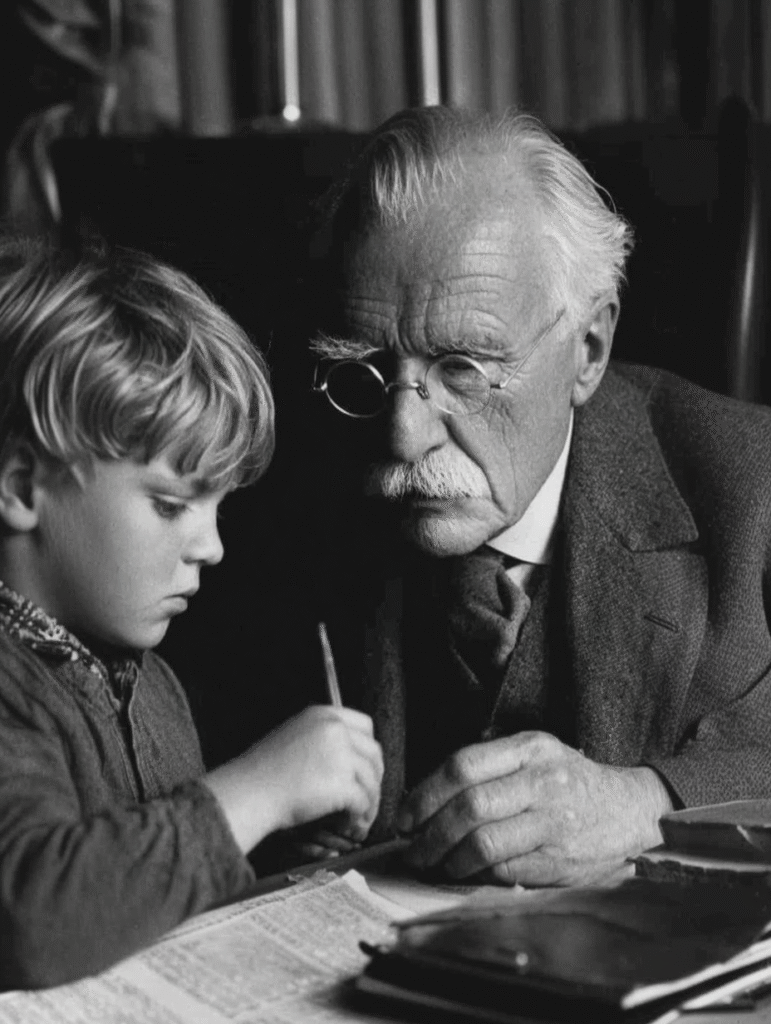
Carl Jung: Play, Symbols, and the Development of the Self
Carl Jung expanded the psychological significance of play beyond individual experience to include universal symbols and archetypes. He believed that children naturally express aspects of the collective unconscious through imaginative play, storytelling, and symbolic representation. Heroes, monsters, journeys, and transformations frequently appear in children’s play and reflect deep psychological processes related to growth and integration.
Jung viewed play as an essential part of individuation—the lifelong process of becoming a whole and integrated self. In play therapy, Jungian ideas are most clearly seen in sandplay therapy, art-based interventions, and imaginative storytelling, where children are encouraged to express themselves without interpretation or correction. Jung’s work emphasises that play is not merely emotional release but a process of meaning-making that supports psychological balance, creativity, and self-understanding.
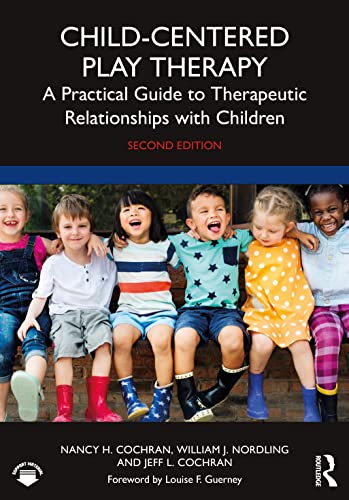
Jean Piaget: Play as the Engine of Cognitive Development
Jean Piaget’s contribution to play therapy lies in his detailed mapping of how children think at different stages of development. He identified play as a central mechanism through which children explore, assimilate, and accommodate new information. According to Piaget, play evolves from sensorimotor exploration in infancy to symbolic play in early childhood and rule-based games in later childhood.
Piaget demonstrated that play is essential for intellectual development because it allows children to experiment without fear of failure. In therapeutic and parenting contexts, this underscores the importance of developmentally appropriate play. Expecting verbal insight from a child who processes the world through action and symbols misunderstands how children learn. Play therapy grounded in Piagetian theory meets children where they are cognitively, supporting problem-solving, logical thinking, and mental flexibility.
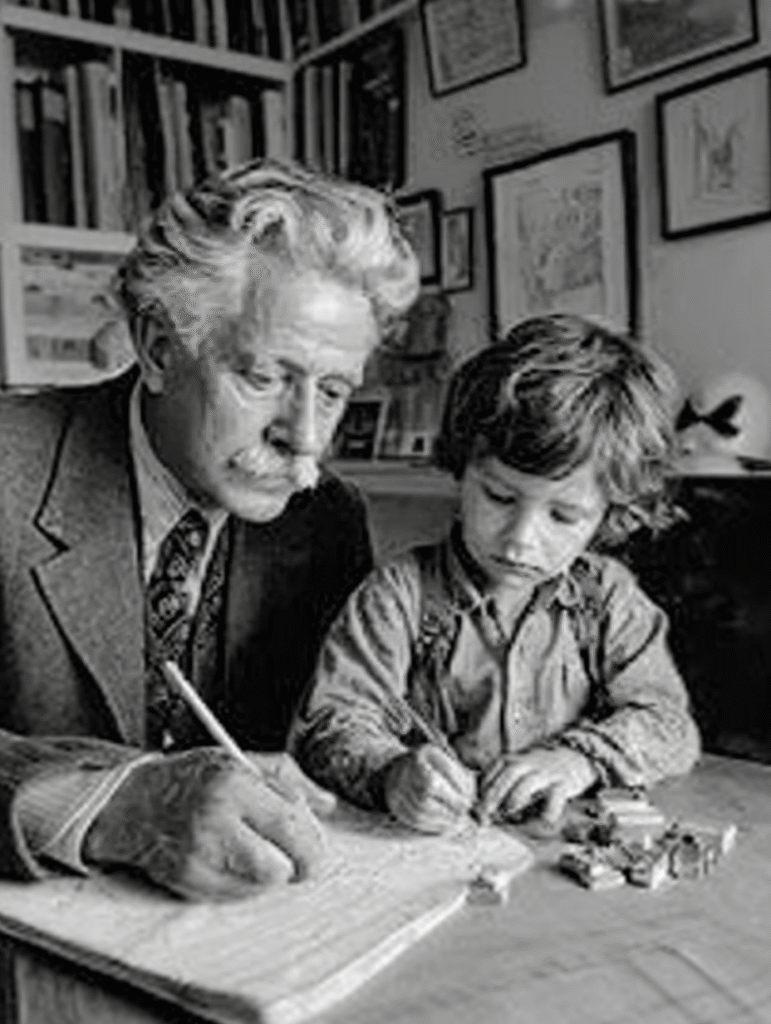
Erik Erikson: Play and Psychosocial Identity Formation
Erik Erikson viewed play as the primary arena in which children navigate psychosocial challenges. Each developmental stage, according to Erikson, presents a central conflict—such as trust versus mistrust or initiative versus guilt—that must be resolved for healthy development. Play allows children to rehearse these conflicts safely, exploring autonomy, competence, leadership, and cooperation.
Erikson emphasised that play is a form of emotional experimentation. Children try on roles, express power, test limits, and explore identity through play. In play therapy, this translates into supporting children’s sense of agency and competence rather than focusing solely on symptom reduction. For parents, Erikson’s work highlights why unstructured, imaginative play is essential for building confidence, purpose, and emotional strength.
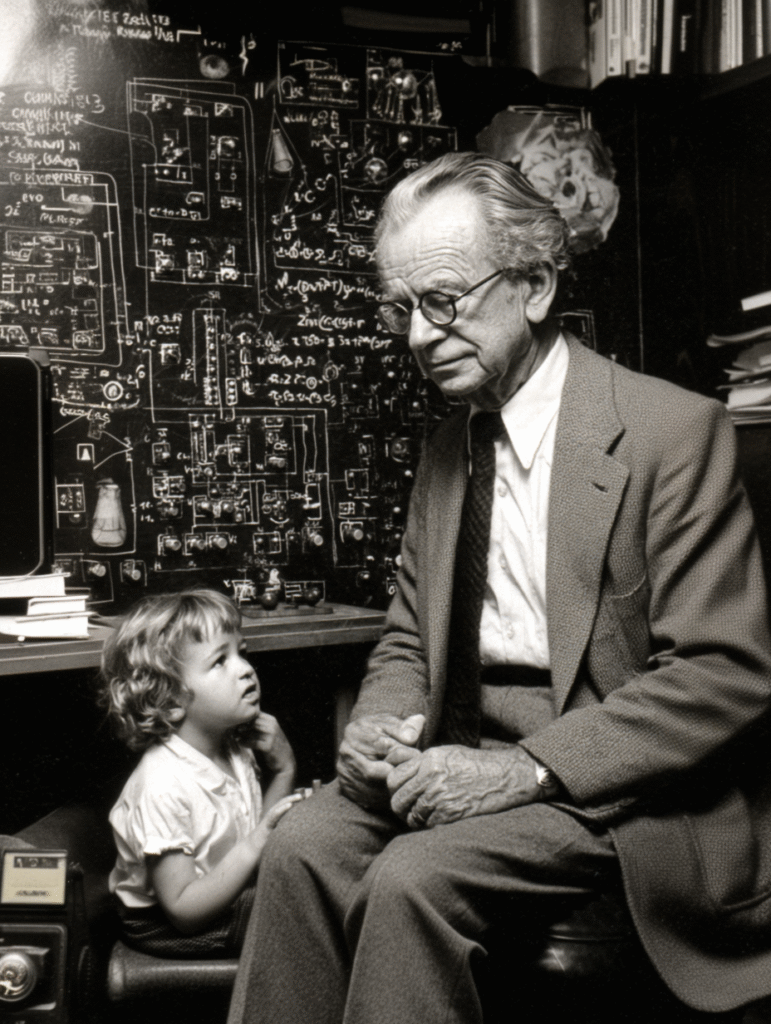
B.F. Skinner: Play, Behaviour, and Learning Through Reinforcement
Although B.F. Skinner did not focus directly on play therapy, his behavioural theories strongly influence how play is used to shape behaviour. Skinner demonstrated that behaviour is learned through reinforcement, repetition, and environmental feedback. Play provides a natural and motivating context in which positive behaviours can be encouraged and reinforced.
In therapeutic settings, play is often used to teach emotional regulation, social skills, and cooperation through modelling and reinforcement rather than punishment. Parents intuitively apply behavioural principles during play by praising effort, encouraging turn-taking, and reinforcing communication. Skinner’s work reminds us that play is not only expressive but instructional—it teaches children how to function within their environment.
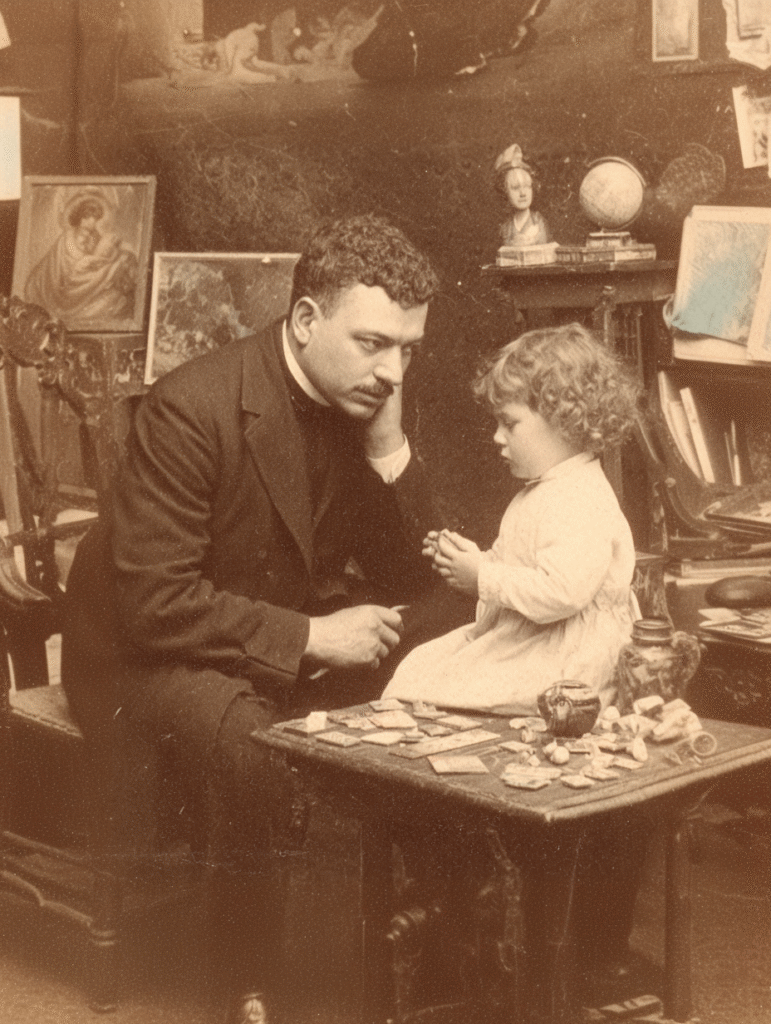
Lev Vygotsky: Play, Language, and Social Development
Lev Vygotsky viewed play as the foundation of higher cognitive functioning. He believed that imaginative play creates a space where children operate beyond their current abilities within the Zone of Proximal Development, supported by adults or more capable peers. In play, children practice language, self-regulation, and abstract thinking.
Vygotsky argued that play is essential for the development of executive functions such as impulse control and planning. When children follow imagined rules in play, they learn to regulate their behaviour internally. Play therapy frequently incorporates guided play and co-regulation, reflecting Vygotsky’s belief that learning and emotional growth are fundamentally social processes.
John Bowlby: Play as Attachment in Action
John Bowlby’s attachment theory profoundly shaped modern play therapy. Bowlby proposed that children require a secure attachment figure to explore the world confidently. Play is one of the primary ways children explore their environment and relationships, but only when they feel emotionally safe.
In play therapy, the therapist provides a secure relational base that allows the child to express vulnerability, fear, and curiosity. For parents, playful engagement—marked by sensitivity, responsiveness, and emotional availability—strengthens attachment security. Bowlby’s work highlights that play is not separate from emotional bonding; it is one of its most powerful expressions.
Mary Ainsworth: Play and Emotional Security
Mary Ainsworth expanded Bowlby’s theory by identifying attachment styles through careful observation of children’s behaviour, including play. Securely attached children demonstrate curiosity, flexibility, and resilience in play, while insecure attachment often manifests as avoidance, rigidity, or anxiety.
Play therapy often seeks to restore a sense of emotional safety through consistent, attuned interaction. Parents who follow their child’s lead in play and respond empathically are actively fostering secure attachment. Ainsworth’s work reinforces that how a child plays often reflects how safe they feel emotionally.
Albert Bandura: Play, Observation, and Social Learning
Albert Bandura’s social learning theory emphasised that children learn through observation and imitation. Play provides a context in which children rehearse behaviours they have seen in caregivers, peers, and media. Through role-play and imaginative scenarios, children internalise social norms, emotional responses, and problem-solving strategies.
In play therapy, modelling calm behaviour, emotional expression, and coping strategies allows children to learn new ways of responding to challenges. For parents, this underscores the importance of mindful behaviour during play—children are always watching, learning, and absorbing.
Conclusion: Play as the Cornerstone of Healthy Childhood
Across the work of Freud, Klein, Jung, Piaget, Erikson, Skinner, Vygotsky, Bowlby, Ainsworth, Bandura, and others, one truth emerges clearly: play is central to how children grow, learn, heal, and connect with the world. Whether seen as a symbolic expression of unconscious fears, a rehearsal of social roles, a cognitive experiment, or a means of attachment and social learning, play provides children with the tools they need to master emotions, solve problems, build relationships, and develop a coherent sense of self.
Play therapy formalises these insights into a structured intervention that supports children facing emotional, social, or developmental challenges. Yet the principles behind play therapy are accessible to every parent and caregiver. Unstructured, child-led play is not merely recreational—it is a critical vehicle for emotional regulation, cognitive growth, attachment security, and psychosocial development.
Some of the links on this blog are affiliate links, which means I may earn a commission if you make a purchase using the link. This comes at no additional cost to you. I only recommend products or services that I believe in and think will be valuable to my readers. I am also hoping you might consider purchasing my book 101 Art Therapy Exercises for Children: A Practical Guide for Parents and Mental Health Professionals. Thank you for supporting this blog!

Rostislava Buhleva-Simeonova is a psychologist, art therapist, and gamificator. She has worked with children, adults, and the elderly within various therapeutic programmes over the past eight years, all the while providing the much-needed playful twist that art and gamified experiences can bring to this sometimes uneasy setting. But it wasn’t until the birth of her daughter, Aurora, that this work took on an even deeper personal meaning. With her academic and real-life experience, honed through numerous trainings and sessions, she is currently authoring books and articles in the field of child psychology and development, offering expertise in art and play therapy to guide parents and caregivers, as well as professionals in the fields of social work and mental health, throughout various pivotal moments in children’s lives. Last but not least, all of her books have been “peer-reviewed” by her daughter, who testifies to the efficiency of these methods.