
Every parent has had that moment. Your child is carrying something — you can see it in the set of their shoulders, the quality of their silence, the way they have been just slightly elsewhere all afternoon — and when you ask what is wrong, the answer that comes back is nothing. Not because nothing is wrong. But because the feeling does not yet have a name, or it feels too large to say out loud, or the distance between what is happening inside and what language can carry is simply, at this particular moment, too wide to cross.
Children do not primarily communicate through words. They communicate through play, image, movement, and symbol — through the mark on the paper, the colour chosen without knowing quite why, the pattern that appears under their hand before their thinking brain has had a chance to decide what it should look like. This is not a limitation. It is the most direct route available into a child’s inner world. And a well-designed collection of art therapy worksheets for kids knows exactly how to travel it.
What Art Therapy Actually Is
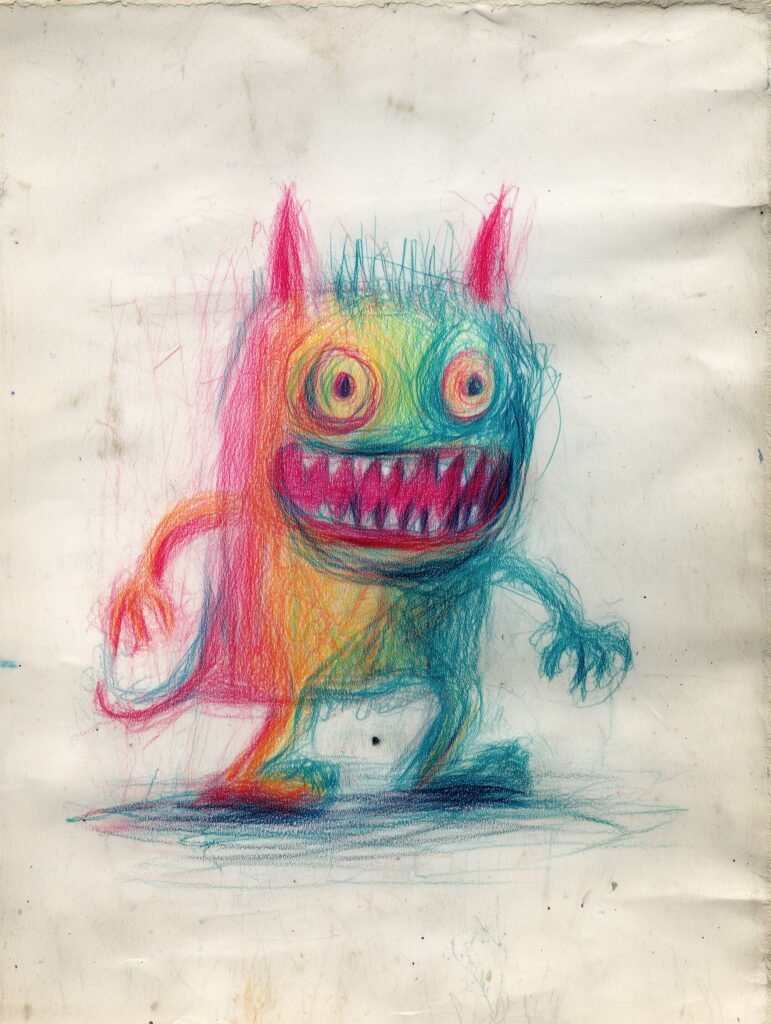
Art therapy is not art class with a therapeutic label attached. It is a structured, evidence-based approach to emotional processing and communication that uses the act of making — drawing, painting, sculpting, colouring — as the primary medium through which inner experience becomes visible, workable, and gradually more manageable. It is grounded in decades of developmental research and draws on a wide range of theoretical traditions, from cognitive behavioural therapy and attachment theory to neuroscience, expressive arts, and the clinical understanding that children’s native language is image rather than word.
The core insight behind art therapy worksheets for kids is the same insight that underpins all play-based therapeutic work: children do not process the world the way adults do. They do not sit with a difficulty, name it, and arrive at a conclusion through language alone. They make something. They give the feeling a colour, a shape, a pattern, a place to live outside the body — and in doing so, they transform something that was formless and overwhelming into something they can actually look at. That act of transformation is not a warm-up to the therapeutic work. It is the therapeutic work.
The Science Behind Art Therapy Worksheets for Kids
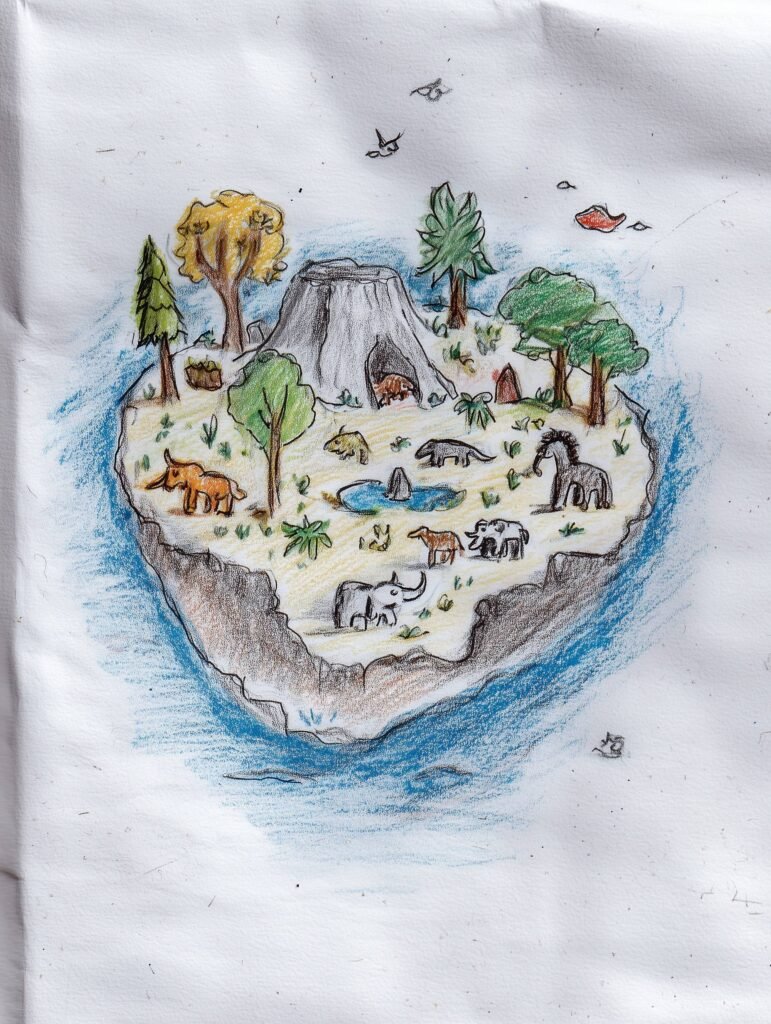
The research base for art therapy with children is more substantial than it might appear. Art-making activates the right hemisphere of the brain — the same hemisphere that processes emotional experience long before the left hemisphere’s language centres are mature enough to put it into words. It engages the limbic system directly, supports the parasympathetic nervous system, reduces cortisol, and strengthens the neural connections that underpin emotional regulation, resilience, and flexible thinking.
Children who engage in regular, varied creative activity demonstrate stronger executive functioning, greater emotional literacy, and more sophisticated capacities for self-reflection than those whose creative expression is restricted. For children who have experienced stress, trauma, or relational disruption, this matters even more. Trauma is stored not just in memory but in the body — in the nervous system, in the reflexive patterns of activation and shutdown that verbal processing alone cannot easily reach. Art-making offers one of the most reliable routes back into a regulated state precisely because it bypasses the need for language entirely.
This is why art therapy worksheets for kids, at their best, are not craft activities in therapeutic clothing. They are neurologically grounded interventions that meet children where their emotional processing is actually happening.
Before the Main Exercise: Drawing with Eyes Closed
The best art therapy sessions — and the best art therapy worksheets for kids — do not begin with the deepest work. They begin with something that dismantles perfectionism first, because perfectionism is the single most reliable barrier between a child and genuine creative expression. A child who is afraid of doing it wrong will not do it honestly. And honest is the only way that matters.
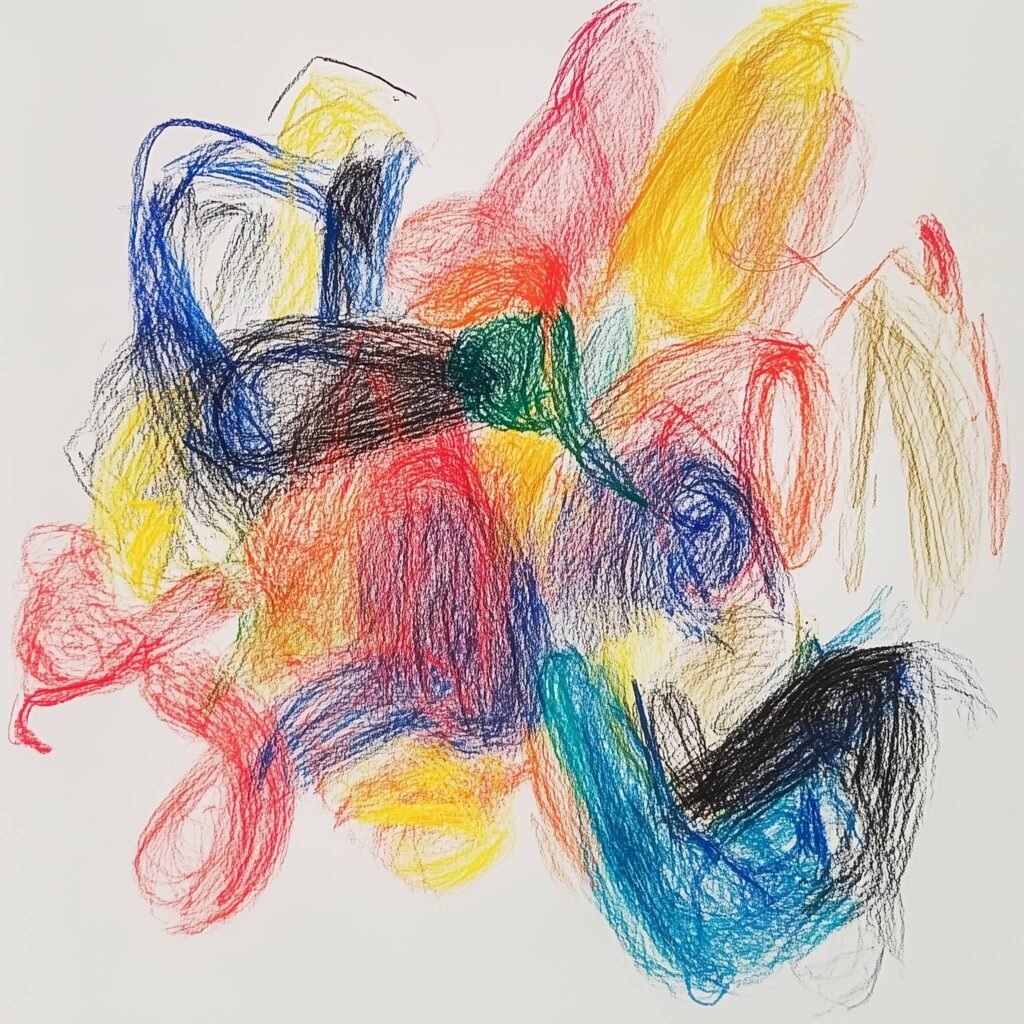
The Drawing with Eyes Closed warm-up does exactly this. The child closes their eyes and moves their hand freely across the paper — making lines, shapes, swirls, whatever comes — without the controlling mediation of the visual brain. The instruction is simple: let your hand wiggle and dance across the paper. See what happens. There is no correct result. There is no way to fail. The child opens their eyes and discovers that what their hand made without looking is, almost always, more interesting than what their hand makes when it is trying to do it right.
This is not incidental. Rooted in the work of Edith Kramer — who valued the process of creation above the product — the exercise taps into what Csikszentmihalyi described as flow: the state of immersive engagement in which anxiety reduces, enjoyment increases, and the child’s relationship to their own creative capacity quietly shifts. By the time the warm-up is complete, the child is looser, more trusting of their own hand, and genuinely available for the deeper work that follows.
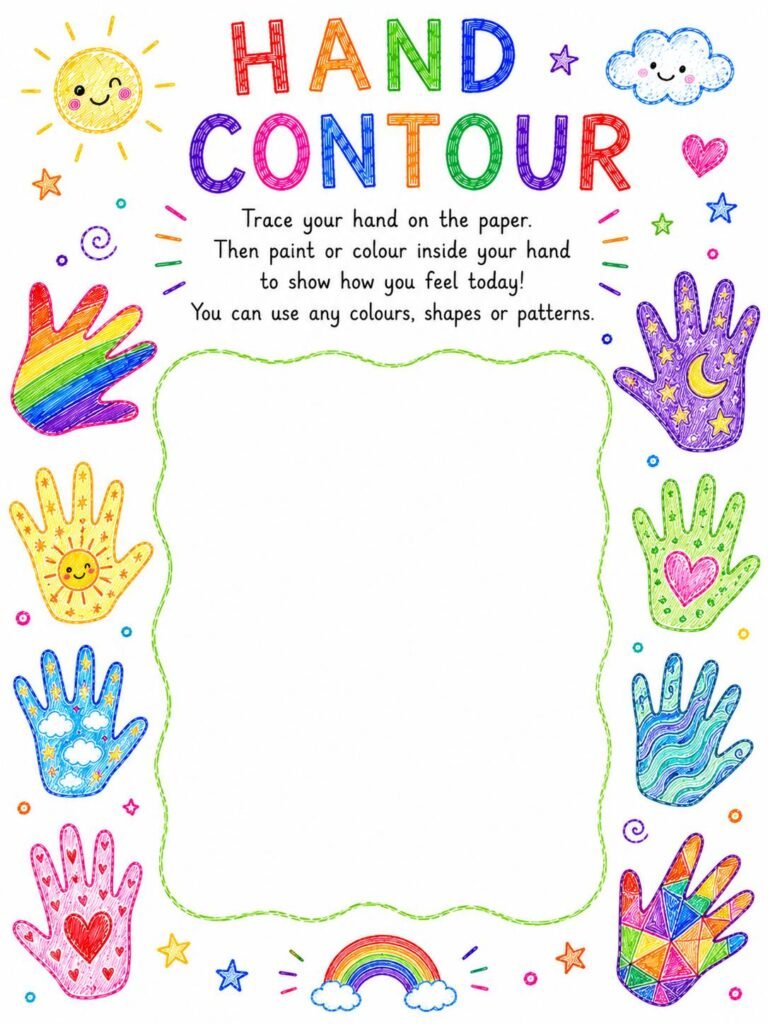
Free Art Therapy Worksheets for Kids: Hand Contour
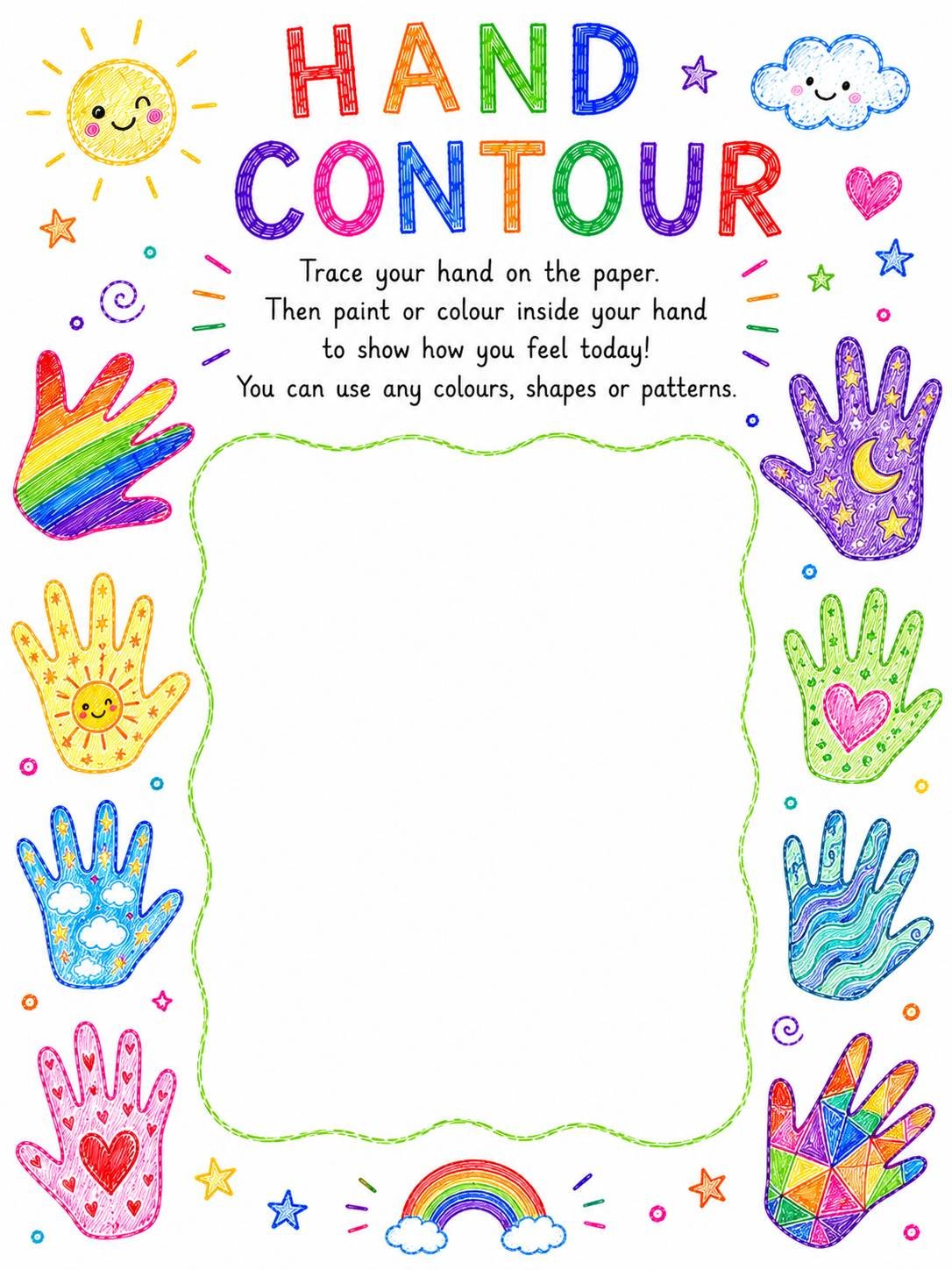
The main exercise — Hand Contour — is a free resource you can use with your child today. It is suitable for children aged approximately 4 to 12, and works equally well at home, in school, or in a therapeutic setting. It requires nothing beyond paper, a pencil, and whatever colouring materials are available. And it asks the child to do something so simple, so familiar, and so completely open that the therapeutic potential is almost invisible until you begin to see what appears inside the outline.
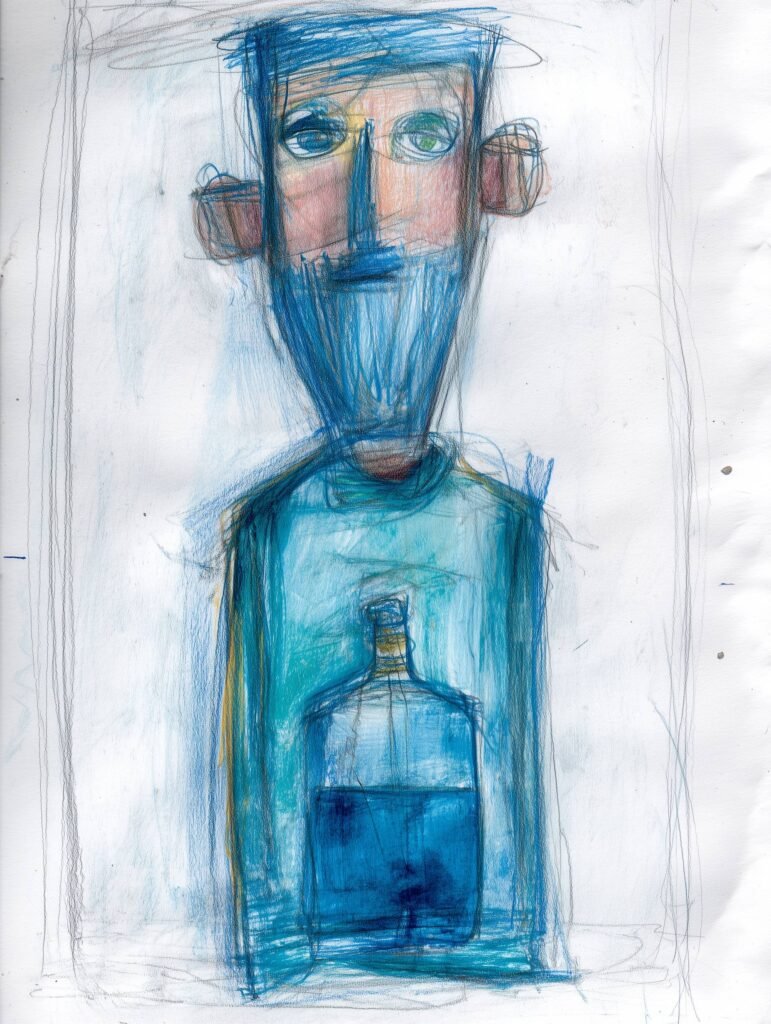
The instruction is direct and entirely without constraint: trace your hand on the paper, then paint or colour inside it to show how you feel today. You can use any colours, shapes, or patterns.
That is all. The hand is already there — already the child’s own, already the shape that belongs specifically to them — and inside it, the child builds a visual map of their current emotional state using whatever colours, shapes, and patterns feel true.
What makes this one of the most effective art therapy worksheets for kids is its elegant simplicity. The hand contour is not a blank page — it has a shape, a boundary, a specific form that belongs to the child who made it. That boundary is itself therapeutic: it gives the emotional content somewhere to live that is defined and contained, rather than spreading formlessly across an open page. The child is not being asked to fill the world with their feelings. They are being asked to fill their own hand. The scale is manageable. The frame is personal. And the freedom within it is complete.
How to Use It
Begin with the warm-up. Once the child is loose, engaged, and no longer concerned with getting it right, bring out the Hand Contour worksheet. Place it in front of them with a simple, open introduction — warm and genuinely curious, without direction or suggestion: “Trace your hand first — just press it flat and draw around it. Then fill it in however you want to show how you feel today. Any colours, any shapes, any patterns. Whatever feels right.”
Then step back entirely. The filling-in phase is not a warm-up to the real activity — it is the real activity. What colours the child reaches for first, which parts of the hand they fill in and which they leave empty, whether the patterns are careful and contained or loose and expansive — all of it is information worth holding gently, without interpretation or comment while the child is working.
Once the hand is complete, explore it together with open, unhurried curiosity:
- Tell me about what you put in there — what is this part?
- Why did you choose this colour for here?
- Is there a part of your hand that feels most like you today?
- Is there anything in the hand you would like to change?
- What would your hand look like on a really good day?
The most important thing is not the answers. It is the quality of attention you bring to hearing them.
What to Look For — and What Not to Do With It
A note of clinical importance before we go further. The hand a child fills in can offer genuinely valuable emotional information — and it must be received with care, curiosity, and a clear awareness of the limits of untrained interpretation.
Observe objective features rather than drawing conclusions: the colours chosen, the parts of the hand that are filled densely and the parts that are left sparse or empty, the quality of the marks — whether they are careful and contained or loose and pressured, whether they cover the whole hand or cluster in one area. These are observations, not diagnoses. A hand filled almost entirely in dark colours on a particular day does not mean a child is depressed. It means something about this day, in this child’s experience, felt dark. The child is the authority on what their hand means. The adult’s job is to stay curious, to follow where the child leads, and to seek professional support if what emerges across repeated sessions gives genuine cause for concern.
Children remain the ultimate authors of their artwork’s meaning. Always.
For Deeper Work: 101 Art Therapy Exercises for Children
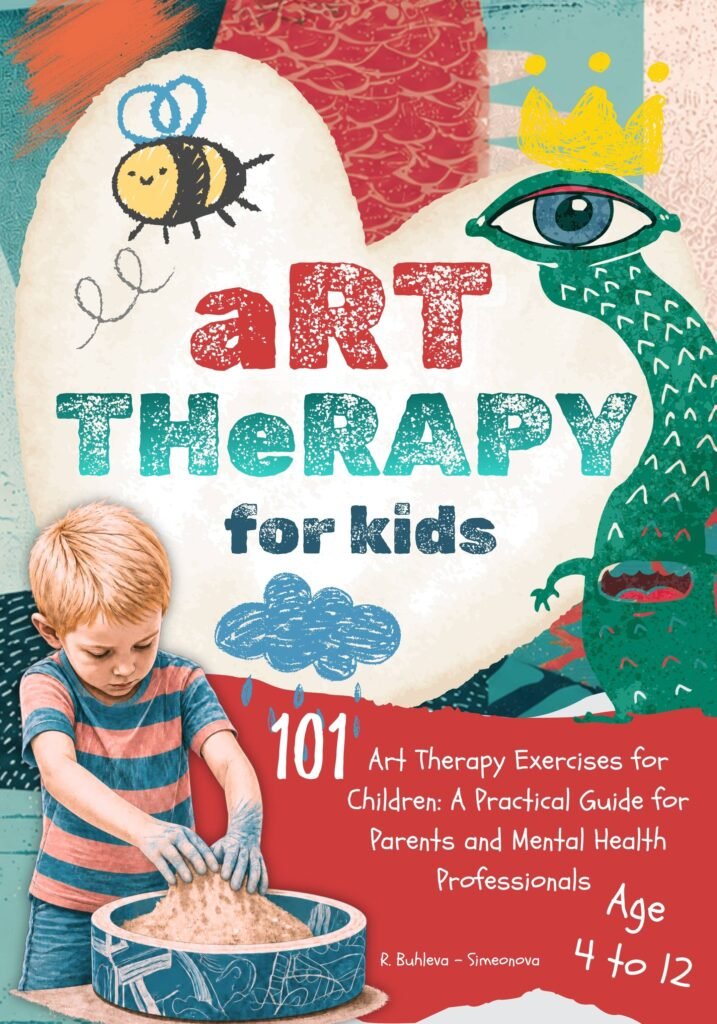
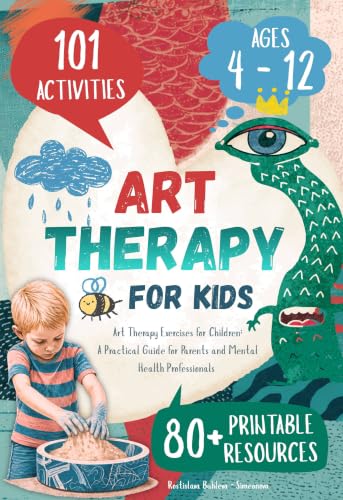
The Hand Contour and the Drawing with Eyes Closed warm-up are two examples of the kind of neuroscience-grounded, developmentally informed art therapy tool that sits at the heart of 101 Art Therapy Exercises for Children: A Practical Guide for Parents and Mental Health Professionals — a book built around the understanding that healing, growth, and genuine self-understanding often begin not with words, but with a simple mark on paper.
The book contains 101 art therapy exercises structured across three age groups — 4 to 6, 7 to 9, and 10 to 12 — each activity informed by validated research demonstrating how creative engagement alters brain physiology, strengthens neural flexibility, and enhances emotional regulation. Every session comes with a clear therapeutic rationale, step-by-step guidance, reflection questions, and guidance on how to observe and respond to what emerges — without diagnosis, without pressure, and without losing sight of the child as the author of their own experience.
The book serves a dual function: it is both a therapeutic toolkit and a preventative resource. Rather than waiting for emotional or behavioural difficulties to escalate before responding, the activities provide a proactive, ongoing means of supporting emotional processing — giving parents, educators, and professionals gentle, non-intrusive methods to stay attuned to a child’s inner world over time. The exercises are equally suitable for use at home and in clinical settings, and many invite the caregiver to participate alongside the child — because shared art-making is itself one of the most reliable builders of trust, attunement, and open emotional communication available to any adult and child who pick up a pencil together.
Three Things Worth Knowing Before You Begin
The process is the point — not the product.
The best art therapy worksheets for kids are not assessed, evaluated, or displayed on the fridge because they are beautiful. They are received with genuine interest because of what they carry. A child who knows that what they make will be looked at with curiosity rather than judgment will make something honest. And honest is everything.
Regular use builds more than crisis use.
Art therapy tools work best when they are an ordinary, unhurried part of a child’s emotional life — not only reached for when something is visibly wrong. A child who regularly traces their hand, fills it with today’s colours, and shares it with an attuned adult builds a creative vocabulary for inner experience that will be there and ready when something genuinely difficult arrives. The hand they fill on an ordinary Tuesday is just as important as the one they fill on a hard day.
You are the most important tool in the room.
Children engage with art therapy most openly within the safety of a warm, regulated, genuinely curious relationship with a trusted adult — one who picks up their own pencil, traces their own hand, and shows, without words, that whatever appears inside the outline is welcome. Sit down. Make something. Let them see what you have made.
Available Now
If these free art therapy worksheets for kids gave you a sense of what becomes possible when children are met in their own language, 101 Art Therapy Exercises for Children: A Practical Guide for Parents and Mental Health Professionals gives you 101 more tools built on the same foundation — grounded in neuroscience, informed by decades of developmental research, and written for every adult who has ever sat beside a child and wished they had something more to offer than words.
Disclaimer: This article is intended as an educational and supportive resource for parents, caregivers, educators, and mental health professionals. It is not intended to diagnose, treat, or replace professional therapeutic or medical care. If a child is experiencing significant emotional, behavioural, or developmental difficulties, please seek guidance from a qualified mental health professional.

Rostislava Buhleva-Simeonova is a psychologist, art therapist, and gamificator. She has worked with children, adults, and the elderly within various therapeutic programmes over the past eight years, all the while providing the much-needed playful twist that art and gamified experiences can bring to this sometimes uneasy setting. But it wasn’t until the birth of her daughter, Aurora, that this work took on an even deeper personal meaning. With her academic and real-life experience, honed through numerous trainings and sessions, she is currently authoring books and articles in the field of child psychology and development, offering expertise in art and play therapy to guide parents and caregivers, as well as professionals in the fields of social work and mental health, throughout various pivotal moments in children’s lives. Last but not least, all of her books have been “peer-reviewed” by her daughter, who testifies to the efficiency of these methods.