
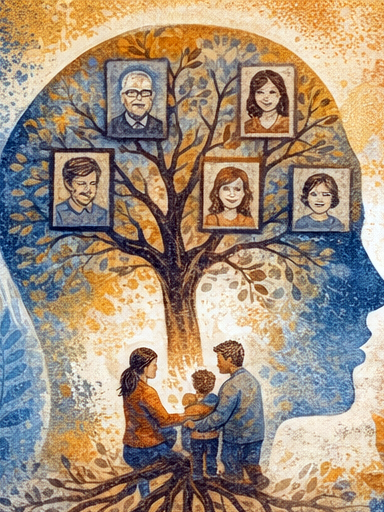
Parenting often brings unresolved childhood experiences to the surface, influencing how we react to stress, conflict, and our children’s needs. To be an effective parent, one must reflect on past experiences and practice emotional repair. Inner child healing, or reconnecting with vulnerable early self-states, forms a foundation for this work. At the same time, healing generational trauma addresses patterns passed down through families. Classical psychology emphasized how early experiences shape personality and behavior. In addition, contemporary research shows that trauma affects brain development, stress responses, and emotional regulation. Parents who engage in reflective exercises, creative methods, and evidence-based interventions gain awareness and over time model emotional safety and healthy attachment. Consequently, children experience consistency and trust. This article combines theory, research, practical exercises, and book guidance to help parents embark on a structured path to conscious, emotionally attuned parenting.
Understanding Inner Child Healing in Psychology
Reconnecting with the younger self allows parents to examine unmet childhood needs that influence adult behavior. Carl Jung highlighted how early emotional experiences leave unconscious imprints, shaping reactions and coping patterns. Furthermore, John Bradshaw emphasized self-reparenting, suggesting that offering care, validation, and protection to one’s vulnerable self fosters emotional repair. In addition, attachment theory demonstrates that adults who attend to their own needs respond more attunedly to children, promoting secure attachment. Neuroscience supports these findings: trauma heightens threat response, narrowing tolerance for stress and regulation capacity. As a result, mindful reflection, journaling, and self-soothing strategies help parents reshape responses and develop emotional resilience. Over time, reconnecting with one’s inner child fosters empathy, patience, and intentionality. Similarly, children benefit from predictable, emotionally regulated caregiving. In sum, inner child work is not merely theoretical—it’s a practical, observable process that transforms relationships and nurtures emotional intelligence in both parent and child.
Reparenting and Emotional Regulation
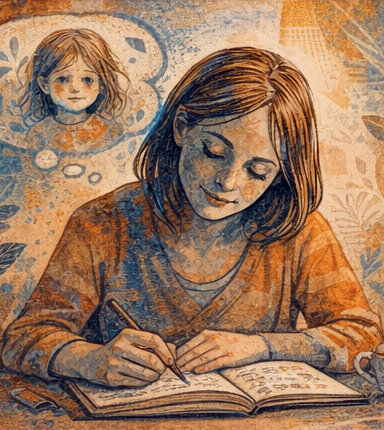
Self-reparenting involves observing triggers and responding with compassion rather than reacting automatically. Additionally, journaling, guided visualization, art therapy and reflective dialogue provide practical ways to explore unresolved emotions. Likewise, attention to bodily sensations during stress enhances regulation, allowing parents to pause before reacting. Consequently, they respond with calmness, set consistent boundaries, and provide emotional safety. In addition, repeated practice strengthens awareness and emotional intelligence over time. As a result, parenting becomes conscious rather than reactive. Furthermore, children internalize these patterns, improving their emotional regulation and self-confidence. Similarly, mindful practices reduce intergenerational transmission of maladaptive responses. Therefore, self-reparenting is not only a tool for emotional repair but also a mechanism to model healthy emotional expression, resilience, and problem-solving for children. Overall, this approach creates a supportive family climate while strengthening the parent-child bond.
Healing Generational Trauma: Breaking Family Patterns
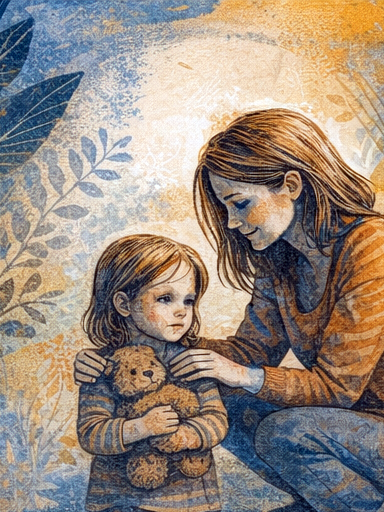
Generational trauma includes emotional, behavioral, and sometimes biological patterns transmitted from one generation to the next. As noted by Franz Ruppert, unresolved trauma shapes identity, relationships, and coping styles across families. Similarly, Bessel van der Kolk explains how trauma can become stored in the body, influencing reactions long after the original events. Moreover, epigenetic studies indicate that severe stress can alter gene expression, increasing sensitivity to environmental triggers. Healing generational trauma requires intentional awareness, reflection, and adaptive strategies. Parents observe emotional activation, regulate responses, and act in alignment with their values. Likewise, integrating family narratives into coherent stories transforms secrecy into understanding. Consistent practice enables families to shift from reactive patterns to conscious, emotionally attuned interactions. Over time, children learn emotional regulation, empathy, and secure attachment. Therefore, inner child healing and healing generational trauma strengthens the family system while creating a more stable environment for future generations.
Art Therapy Exercise: Drawing Your Inner Child
Art therapy provides a practical method to explore unhealed emotional patterns. Drawing Your Inner Child allows parents to visualize early vulnerabilities and unmet needs. Moreover, creative expression often accesses feelings that words cannot convey. To start, choose a quiet space and simple materials such as paper and colored pencils. Then, reflect on a memory or emotion from childhood and draw your younger self freely. You can finish each session by writing a compassionate message to your inner child. Over time, this exercise reveals recurring themes, emotional triggers, and unprocessed needs. Consequently, parents gain insight into how early experiences influence present-day parenting. Likewise, this method strengthens emotional literacy and reduces reactive behavior in the process of inner child healing. In addition, repeating the exercise builds self-compassion, allowing parents to respond with empathy and intention. Overall, art therapy translates reflection into tangible insight, fostering awareness, regulation, and healthier parent-child interactions.
Recommended Books for Inner Child Healing and Healing Generational Trauma

1. The Inner Child Workbook by Cathryn L. Taylor
The Inner Child Workbook is a comprehensive guide designed to help readers reconnect with and nurture their inner child. It combines structured exercises, journaling prompts, visualizations, affirmations, and reflective practices in a six-step process that spans all stages of childhood. Reviewers highlight its practical, systematic approach, noting that it effectively integrates psychological principles with self-reflection and holistic practices. The workbook supports emotional exploration, grief processing, and self-compassion, making it a useful tool for parents, therapists, and individuals addressing unresolved childhood experiences. While some find the exercises intensive and emotionally demanding, many praise its transformative potential and depth, especially when paired with a therapist or guided support. Criticisms focus on the higher reading level and abstract nature of certain tasks, suggesting it may be challenging for some users seeking a traditional hands-on workbook.
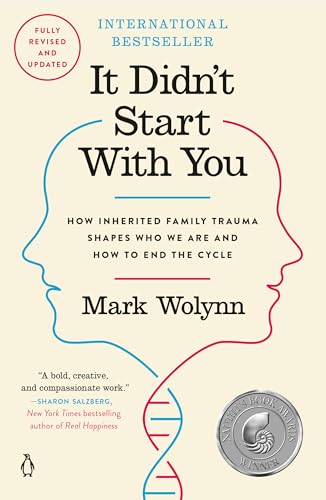
2. It Didn’t Start with You by Mark Wolynn
It Didn’t Start with You by Mark Wolynn offers an insightful exploration of inherited trauma, showing how emotional wounds can be passed down through generations. The book combines scientific research and real-life examples to explain how trauma impacts our lives, providing a hopeful, healing-focused approach. Wolynn frames inherited trauma as unresolved information that can be integrated, offering practical tools for self-exploration and healing. While the book is transformative for many, some readers feel it oversimplifies healing, especially for those with a history of severe abuse. The focus on reconnecting with parents may not be suitable for everyone, particularly those in toxic or abusive relationships. Despite this, the book remains a powerful resource for understanding family dynamics and breaking harmful patterns.
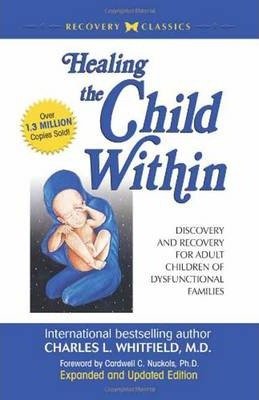
3. Healing the Child Within by Charles L. Whitfield
Healing the Child Within by Charles L. Whitfield is a transformative guide for those grappling with the long-term effects of childhood trauma. Whether you’re dealing with unresolved grief, family dysfunction, or past abuse, this book provides practical, insightful advice for healing and personal growth. Highly recommended by therapists and individuals in recovery, it’s particularly valuable for those looking to understand and reconnect with their “inner child.” Many readers have found comfort and clarity, with one reviewer noting it helped them break free from self-blame and move toward healing. While some feel the book’s advice may require professional support for deeper issues, it remains a powerful starting point for self-reflection. For anyone seeking a deeper understanding of how childhood experiences shape their adult lives, Healing the Child Within is an invaluable resource. Its accessible language and thoughtful exercises make it a must-read.
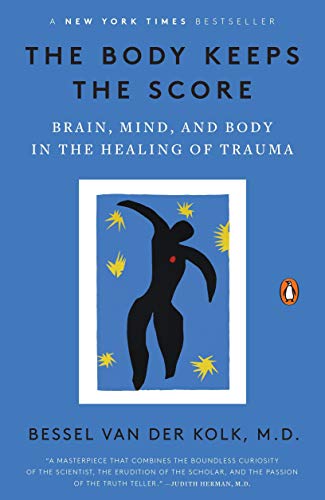
4. The Body Keeps the Score by Bessel van der Kolk
Van der Kolk’s book explores the lasting effects of trauma on the mind, body, and relationships, offering evidence-based recovery strategies. It examines how trauma imprints on the nervous system, influencing emotional responses and relational behavior long after the original events. Techniques such as mindfulness, movement therapy, and relational interventions provide practical tools for emotional regulation and attunement. The text highlights that trauma is adaptive rather than indicative of personal failure, reframing understanding of stress responses. Additionally, it presents case studies illustrating the application of body-based and relational strategies to improve emotional functioning. The book bridges scientific insight with therapeutic practice, helping parents and caregivers understand how trauma shapes responses and interactions. Consequently, it serves as a foundational resource for those seeking to comprehend trauma’s biological and psychological effects while applying strategies for recovery and emotionally responsive parenting.

Conclusion
Healing the inner child and addressing generational trauma are vital steps in emotional growth for both parents and children. By reconnecting with our younger selves, we can begin to understand how past experiences shape our current reactions and behaviors. Inner child healing isn’t just a psychological concept; it’s a practical and transformative process that helps parents model emotional regulation, empathy, and resilience for their children. When parents engage in self-reflection, mindful practices, and creative exercises like art therapy, they foster a nurturing environment where both emotional healing and secure attachment can flourish. Over time, this conscious, emotionally attuned parenting approach not only heals past wounds but also breaks unhealthy family patterns, creating a stable foundation for future generations. Embracing this journey of self-awareness and repair is a powerful act of love—for yourself, for your children, and for the future of your family.
Some of the links on this blog are affiliate links, which means I may earn a commission if you make a purchase using the link. This comes at no additional cost to you. I only recommend products or services that I believe in and think will be valuable to my readers. I am also hoping you might consider purchasing my book 101 Art Therapy Exercises for Children: A Practical Guide for Parents and Mental Health Professionals. Thank you for supporting this blog!
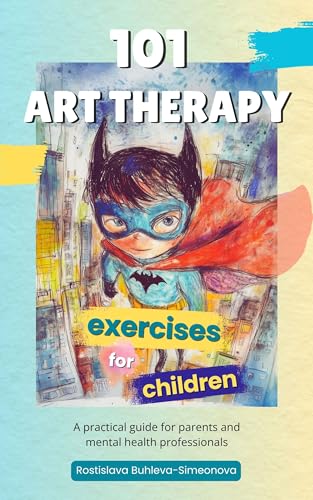

Rostislava Buhleva-Simeonova is a psychologist, art therapist, and gamificator. She has worked with children, adults, and the elderly within various therapeutic programmes over the past eight years, all the while providing the much-needed playful twist that art and gamified experiences can bring to this sometimes uneasy setting. But it wasn’t until the birth of her daughter, Aurora, that this work took on an even deeper personal meaning. With her academic and real-life experience, honed through numerous trainings and sessions, she is currently authoring books and articles in the field of child psychology and development, offering expertise in art and play therapy to guide parents and caregivers, as well as professionals in the fields of social work and mental health, throughout various pivotal moments in children’s lives. Last but not least, all of her books have been “peer-reviewed” by her daughter, who testifies to the efficiency of these methods.