
In play therapy interventions, anxiety is treated as a signal rather than a weakness. Instead of trying to eliminate worry, we learn to understand what it protects and what it needs. Therefore, fear becomes information. Similarly to anger work, children are not “too sensitive”; they are responding to perceived danger or uncertainty.
Classical developmental theory emphasizes that play is the child’s primary way to understand the world (Jean Piaget, 1962). At the same time, attachment theory highlights that safe relationships are essential for emotional regulation (John Bowlby, 1969). Modern neuroscience further shows that self-regulation develops through repeated experiences of co-regulation in safe environments (Daniel Siegel, 2012; Stephen Porges, 2011).
Understanding anxiety through the lens of the id, ego, and superego (Sigmund Freud, 1923) allows children to recognize raw fear impulses, strengthen their regulating ego, and internalize a soothing, guiding voice. The following play therapy interventions for anxiety provide structured, playful ways to build courage, awareness, and self-regulation.
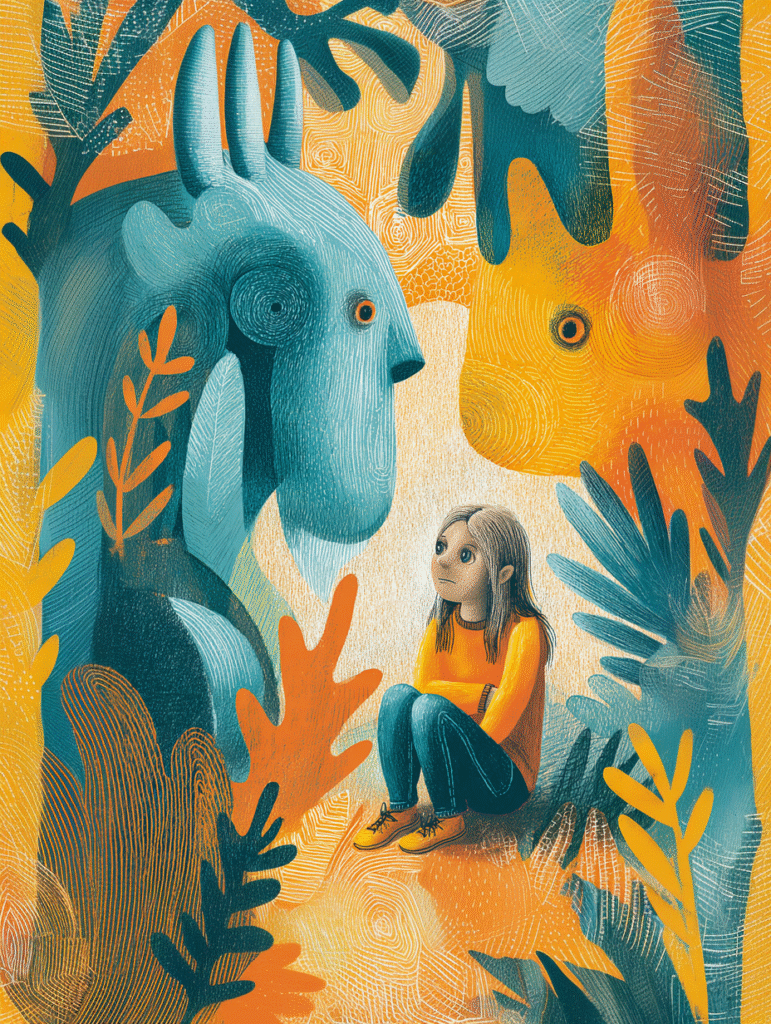
Understanding Anxiety in Children: What Fuels Worry and Fear
Before exploring specific techniques, it is important to understand what fuels anxiety in children. Anxiety often arises from uncertainty, separation, social pressure, high expectations, sensory overload, or previous stressful experiences. In many cases, worry is protective because it attempts to predict danger and prevent harm. However, when the nervous system stays on “high alert,” children may struggle with sleep, school participation, peer relationships, or physical symptoms like stomachaches.
Learning how to respond effectively begins with curiosity rather than correction. Instead of saying, “There’s nothing to worry about,” we might say, “Tell me what your worry is trying to protect.” This shift builds trust. Play therapy offers children symbolic, creative ways to externalize fear, experiment with coping strategies, and experience safety in manageable steps.

1. Worry Has a Voice
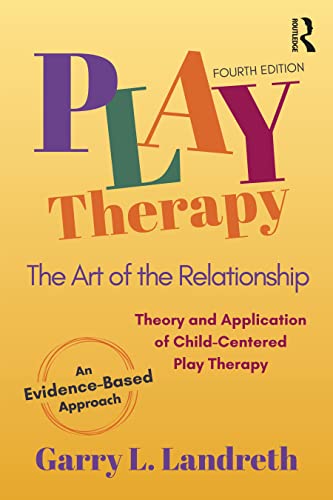
Children are invited to give their anxiety a tangible form using puppets, clay, masks, or miniature figures. The central principle is that worry is a messenger with a protective intention. As a result, the child can dialogue with the “worry character” instead of feeling consumed by it.
The figure represents the anxious part of the child. Meanwhile, the child practices stepping into the role of the observing ego—the calm, guiding voice that listens and reassures.
Questions to ask: “What is your worry afraid might happen?” “How is it trying to protect you?” “What does it need to feel safer?”
Parent guidance: Avoid dismissing the worry. Instead, reflect and validate: “I see your worry is trying to help.” Then gently introduce coping ideas.
Essence of the session: Externalizing anxiety reduces overwhelm and strengthens self-reflection. This is one of the foundational play therapy interventions for anxiety because it separates the child from the fear while preserving its message.
2. The Brave Backpack
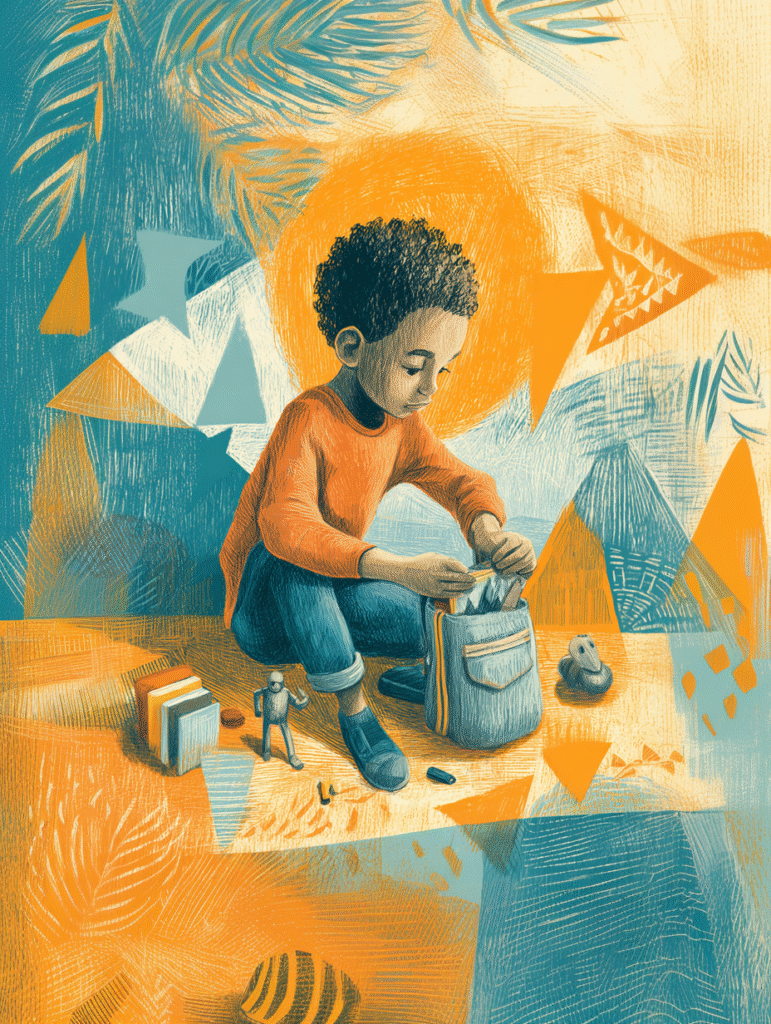
The Brave Backpack helps children identify resources using tangible objects. First, the child fills a real or imaginary backpack with items that represent courage and coping: a small toy, a smooth stone, a favorite book, a soft blanket, a keychain, a miniature figure, a colorful pencil, or a comforting bracelet.
Next, the therapist explores which objects feel most supportive and which might need “practice” in imaginative play. As a result, the child begins to experience anxiety not as helplessness, but as something they can approach with concrete tools.
Questions to ask: “Which object makes you feel brave?” “Which item will you carry first?” “Which one could help you in a tricky situation?”
Parent guidance: Reinforce bravery as effort, not absence of fear. You might say: “I see you chose your stone to help you stay calm—that’s brave.”
Essence of the session: Anxiety shrinks when children have tangible tools to rely on. This intervention builds confidence, agency, and emotional regulation through hands-on, object-based practice.

3. Body Map of Worry
Children create an outline of their body and mark where they feel anxiety—tight chest, shaky hands, butterflies in the stomach, tense shoulders. Then, they explore early warning signs and calming strategies.
For example, they may practice slow breathing, grounding through the senses, gentle stretching, or rhythmic movement. Importantly, they experiment to discover what works best for their nervous system.
Questions to ask: “Where do you feel worry first?” “What helps your body settle?” “What tells you that you’re calming down?”
Parent guidance: Notice physical cues early. Say: “I see your hands are tight—let’s breathe together.”
Essence of the session: This intervention connects physical awareness to regulation strategies. Because anxiety is physiological, body-based tools are essential in effective play therapy interventions for anxiety.

4. Worry Ladder
The Worry Ladder introduces gradual exposure in a child-friendly way. Together, the child and therapist draw a ladder. At the bottom is a mildly challenging situation; at the top is the most feared scenario.
Step by step, the child practices facing each rung with support. After each step, reflection reinforces mastery. As a result, confidence builds incrementally rather than through pressure.
Questions to ask: “Which step feels manageable today?” “What helped you climb that rung?” “What did you learn?”
Parent guidance: Celebrate small steps. Avoid pushing too fast. Instead, emphasize progress and persistence.
Essence of the session: Anxiety decreases when children experience safe, repeated success. Gradual exposure within a trusting relationship is a powerful therapeutic tool.

5. Safe Place
Children build a “safe place” using sandtray materials, blocks, drawing, or imaginative storytelling. This place represents security, calm, and control. They then practice mentally visiting it when anxious.
The therapist may guide visualization by noticing sounds, textures, colors, and protective elements. Over time, this becomes an internalized coping strategy.
Questions to ask: “What makes this place safe?” “Who is allowed inside?” “How does your body feel here?”
Parent guidance: Encourage your child to describe and revisit their safe place before stressful events, such as school or bedtime.
Essence of the session: Safety is not only external; it can be internalized. Developing this skill strengthens emotional regulation and resilience.
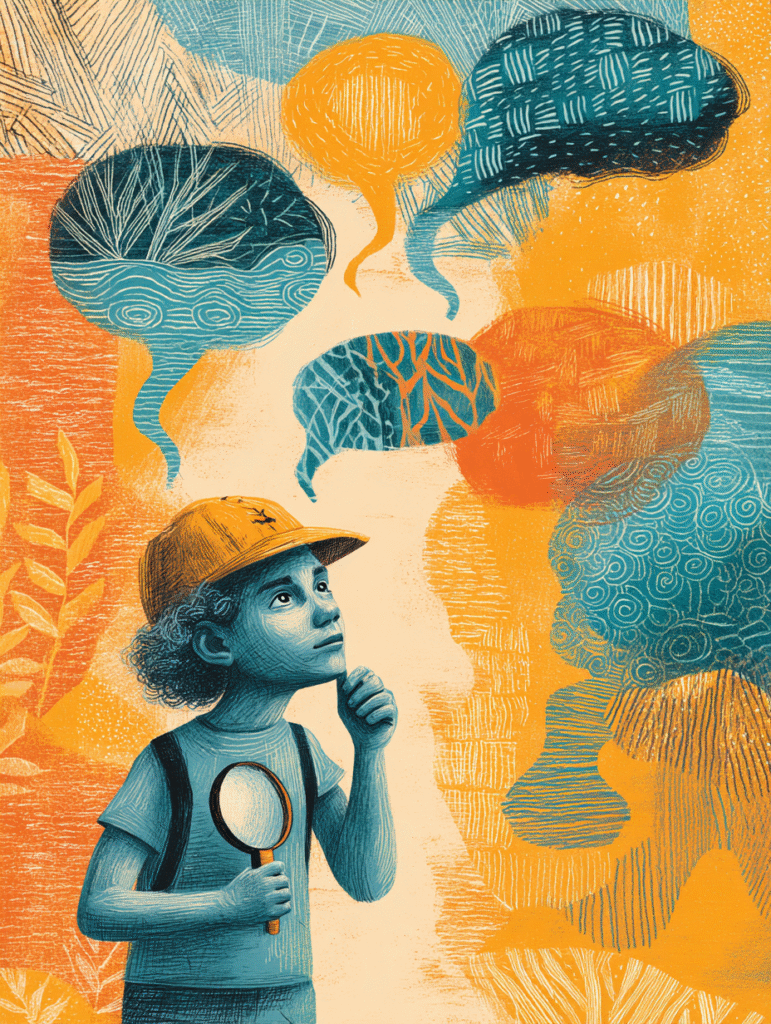
6. Thought Detective
In this cognitive-play intervention, children become “detectives” investigating anxious thoughts. They draw or write a worry thought, then examine evidence for and against it. Next, they create a more balanced statement.
For instance, “I will fail my test” becomes “I studied, and I can try my best.” Therefore, catastrophic thinking softens into realistic confidence.
Questions to ask: “What is the worry saying?” “Is it 100% true?” “What would a helpful thought sound like?”
Parent guidance: Model balanced thinking aloud. For example: “I feel nervous, but I can handle this.”
Essence of the session: By combining emotional validation with cognitive restructuring, children learn that thoughts influence feelings—and can be reshaped safely.

7. Anxiety Thermometer
The Anxiety Thermometer helps children measure the intensity of their worry. First, the child draws a thermometer numbered from 0 to 10 and describes what each level feels like physically, emotionally, and behaviourally. As a result, anxiety becomes observable and manageable rather than overwhelming.
Next, coping strategies are linked to each stage:
- Levels 1–3: Mild anxiety—encourage slow breathing, gentle stretching, or holding a comforting object.
- Levels 4–6: Moderate anxiety—introduce grounding exercises, counting backwards, or guided visualization to calm the mind.
- Levels 7–8: High anxiety—add movement, walking, or asking a trusted adult for support to regulate arousal.
- Levels 9–10: Extreme anxiety—use a safe space, deep pressure or hugs, and step-by-step problem-solving to regain control.
Questions to ask: “What number is your anxiety right now?” “Which coping tool works best at this level?” “What can you do next to feel calmer?”
Parent guidance: Intervene early at lower levels. You might say, “I see you’re at a 3—let’s try your breathing before it climbs higher.”
Essence of the session: Scaling anxiety with stage-specific strategies builds self-awareness and proactive coping, making play therapy interventions for anxiety more effective and empowering.

8. Worry Time Box
The Worry Time Box teaches containment. The child decorates a small box and writes or draws worries on slips of paper. Instead of addressing them all day, they place them inside and choose a specific daily “worry time” to open the box.
This approach validates anxiety while preventing constant rumination. Over time, children learn that thoughts can wait without disappearing or becoming dangerous.
Questions to ask: “Can this worry wait until worry time?” “Which worry feels most important today?”
Parent guidance: Keep worry time brief and predictable. Afterward, gently transition back to regular activities.
Essence of the session: Boundaries reduce mental overactivity. The child learns that worry does not control the entire day, strengthening emotional regulation.

9. Courage Shield
Courage Shield helps children externalize their strengths in a concrete and empowering way. First, the child designs a shield divided into sections. In each section, they draw or write personal strengths, supportive people, coping tools, and past successes. As a result, anxiety is balanced with visible evidence of competence.
Next, the therapist explores how this shield can be “carried” into feared situations symbolically or imaginatively. The child may even role-play entering a challenging scenario while holding their shield.
Questions to ask: “What strengths belong on your shield?” “Who stands behind you?” “When have you been brave before?”
Parent guidance: Reinforce strengths consistently. You might say, “I noticed you used your breathing tool—that belongs on your shield.”
Essence of the session: Anxiety narrows attention to danger. The Courage Shield widens attention to resources, building confidence and internal security.

10. A Bridge to Courage
The Bridge to Courage is an art-based play therapy intervention that helps children externalize anxiety and visualize steps toward brave action. Using drawing or collage, the child creates a bridge connecting their current self (one side) to a brave action they want to take (the other side). Each plank of the bridge represents a coping strategy, supportive person, positive thought, or small step forward. Drawing on Malchiodi’s framework for externalizing emotions through art (Malchiodi, 2012) and Erikson’s industry vs. inferiority stage (Erikson, 1963), this session builds competence, courage, and emotional resilience. Research shows art interventions like this reduce anxiety by 25% and improve self-efficacy by 28% in pre-adolescents (Drake et al., 2015; Chen & Wong, 2021).
Questions to ask: “What fear is on one side of your bridge?” “Which brave action is on the other side?” “What helps you step onto the first plank?”
Parent guidance: Encourage breaking feared tasks into visible steps, validate effort rather than speed, and celebrate each brave moment. You might say, “I love how your bridge shows your courage!”
Essence of the session: By making gradual exposure tangible, the Bridge to Courage allows children to process anxiety safely, develop problem-solving skills, and cultivate bravery through creative reflection. This intervention is one of the most empowering play therapy interventions for anxiety because it turns fear into a visible, navigable pathway.
Why Play Therapy Works for Anxious Children
These play therapy interventions for anxiety work because they address fear at developmental, relational, and neurological levels. Play provides symbolic distance. Attachment provides safety. Repetition builds regulation. Gradual exposure builds mastery.
Most importantly, anxiety is treated as protective energy rather than pathology. When children feel understood instead of corrected, their nervous systems settle. Over time, they learn that fear can be faced, managed, and integrated.
By applying structured play therapy interventions for anxiety consistently, parents and therapists help children strengthen emotional awareness, build coping skills, and develop lifelong resilience.
Some of the links on this blog are affiliate links, which means I may earn a commission if you make a purchase using the link. This comes at no additional cost to you. I only recommend products or services that I believe in and think will be valuable to my readers. I am also hoping you might consider purchasing my book 101 Art Therapy Exercises for Children: A Practical Guide for Parents and Mental Health Professionals. Thank you for supporting this blog!

Rostislava Buhleva-Simeonova is a psychologist, art therapist, and gamificator. She has worked with children, adults, and the elderly within various therapeutic programmes over the past eight years, all the while providing the much-needed playful twist that art and gamified experiences can bring to this sometimes uneasy setting. But it wasn’t until the birth of her daughter, Aurora, that this work took on an even deeper personal meaning. With her academic and real-life experience, honed through numerous trainings and sessions, she is currently authoring books and articles in the field of child psychology and development, offering expertise in art and play therapy to guide parents and caregivers, as well as professionals in the fields of social work and mental health, throughout various pivotal moments in children’s lives. Last but not least, all of her books have been “peer-reviewed” by her daughter, who testifies to the efficiency of these methods.