
Latest posts
-
Cognitive Behavioral Play Therapy for Children: The Most Effective CBT Approach for Childhood Anxiety
Every parent who has watched their child struggle with anxiety has encountered the same frustration. The reassurance that does not reach far enough. The explanation that makes perfect sense to an adult and lands nowhere useful in a child who is not, in the moment of their anxiety, available for rational argument. The instruction to…
-
Supporting Children After Trauma: What the Research Says and How Play Therapy Helps
Every parent who has lived through a traumatic event alongside their child has faced the same impossible-feeling task. The event is over. The immediate danger has passed. And the child standing in front of them is not the child who stood there before — not because something is broken, not because the damage is permanent,…
-
Does Play Therapy Work? What the Research Actually Shows
Every parent who has considered play therapy for their child has asked some version of the same question. Not the polite version — does it help? — but the harder, more specific one underneath it: how do we actually know? What is the evidence, and how strong is it? Is this a well-validated clinical intervention…
-
Play Based Activities for Kids at Home: What the Research Says and Why Structured Play Works
Every parent has had a version of the same thought — usually in the middle of a difficult evening, or after a difficult week. The thought that their child needs something more than they are currently getting. Not more screen time, not more structured activities, not more of the things that fill the calendar and…
-
The Emotional and Psychological Impact of Divorce on Children: What the Research Says and What Actually Helps
Divorce is one of the most significant family transitions a child can experience. It is not a single event but a process — one that unfolds over months and years and touches every area of a child’s life: their sense of security, their understanding of relationships, their capacity to trust, and their developing sense of…
-
Identity Development in Children: What It Is, Why It Matters, and How Play Therapy Helps
Every parent has watched the question form in a child’s eyes before it is ever spoken aloud. Not the questions about the world — how things work, why things happen, where things come from — but the quieter, more persistent, more consequential question that underlies all the others: who am I? It begins earlier than…
-
Self-Esteem and Body Image in Children: What the Research Says and How Play Therapy Helps
Every parent has heard it — the comment that arrives so casually it takes a moment to register its weight. The child who looks in the mirror and says something about themselves that no child should ever say about themselves. The one who refuses to wear a swimsuit, who compares their body to a classmate’s,…
-
Play Therapy for Anxiety in Children: What the Research Says and How to Help
Every parent has watched it happen — the child who cannot sleep before the first day of school, who circles the same worry until it has worn a groove, who stands at the edge of a social situation they cannot quite bring themselves to enter, who catastrophises so reliably and so thoroughly that the what-ifs…
-
Play Therapy for Childhood Trauma: What the Research Says and How to Help
Every parent has stood in that moment — something has happened to their child, something that should not have happened, and the child before them is not quite the same as the child who was there before. Not because they are broken. Not because the damage is permanent and irreversible. But because a nervous system…
-
Toddler Meltdown vs Tantrum: Why the Difference Matters More Than You Think
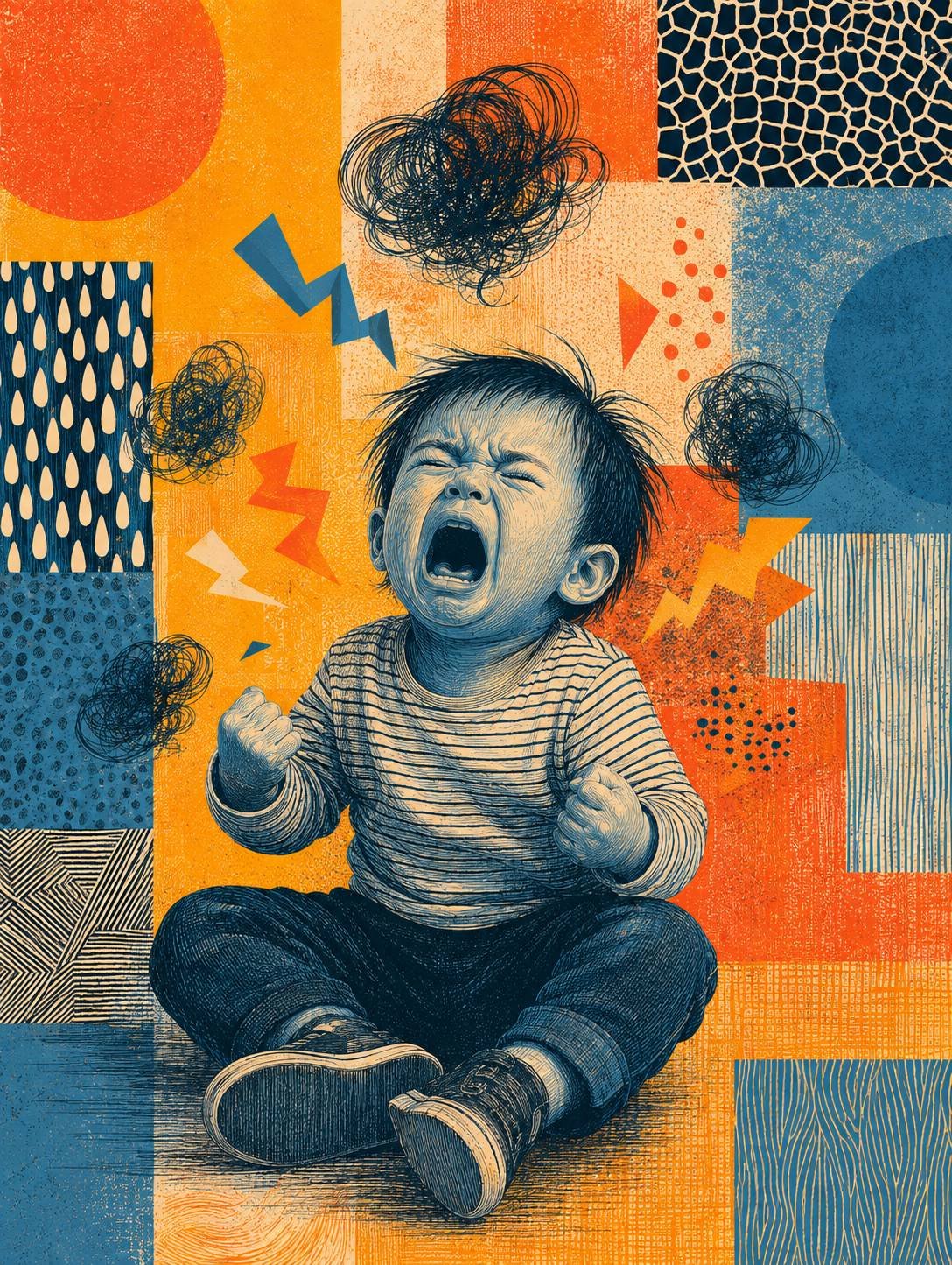
Every parent has stood in that moment — your child on the floor, the world apparently ending, and you standing above them trying to work out what on earth just happened and what on earth you are supposed to do about it. You have tried talking. You have tried ignoring. You have tried the firm…